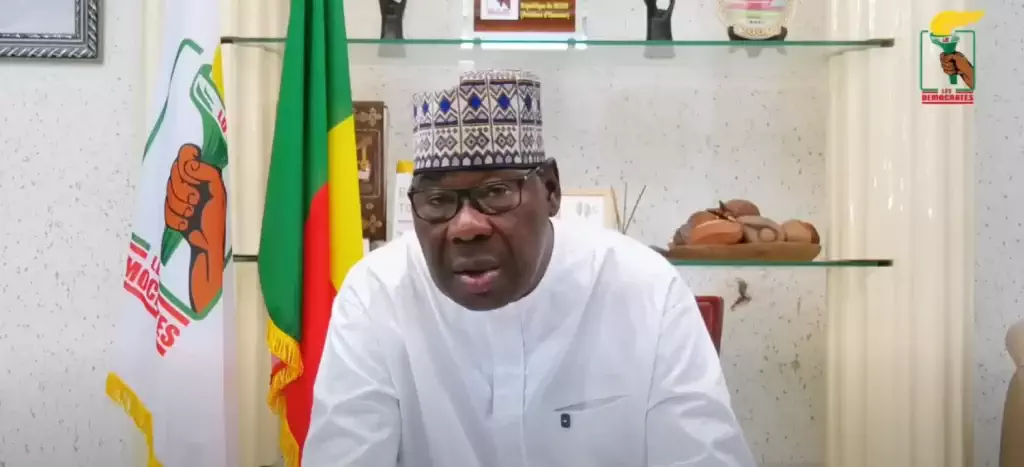
A major shift unfolds in Benin’s political landscape. Former President Thomas Boni Yayi, who had fiercely opposed the creation of a second parliamentary chamber, now announces his intention to take up his seat as senator. His decision comes as a response to what he describes as a locked political environment, where dialogue has become increasingly scarce.
From opposition to participation: Boni Yayi’s unexpected move
In a surprising turn of events, Thomas Boni Yayi—once a vocal critic of the Senate’s establishment during the 2025 constitutional reforms—has reversed his stance. In a nationwide address, he explained that the current political climate in Cotonou leaves little room for citizen voices to be heard. By occupying his constitutional seat, he aims to create an essential platform for constructive debate.
Why the Senate matters in today’s Benin
The newly formed upper house, part of recent institutional changes, consists of 25 to 30 members, structured as follows:
- Ex-officio members: Former presidents, former National Assembly speakers, and former constitutional court justices;
- Appointed figures: Selected based on constitutional criteria.
Boni Yayi emphasized that his participation is not a personal desire but a constitutional obligation. He views the Senate not as an honorific body, but as a vital forum for public interests, where the concerns of Beninese citizens can be addressed.
The role of the Senate in safeguarding democracy
By accepting his seat under Article 113-3 of the Constitution, the former president pledges to use the Senate as a tool for advancing democracy, human rights, and social cohesion. His move signals a strategic effort to counterbalance the dominance of a single-party Parliament, which he argues has stifled political diversity and public engagement.