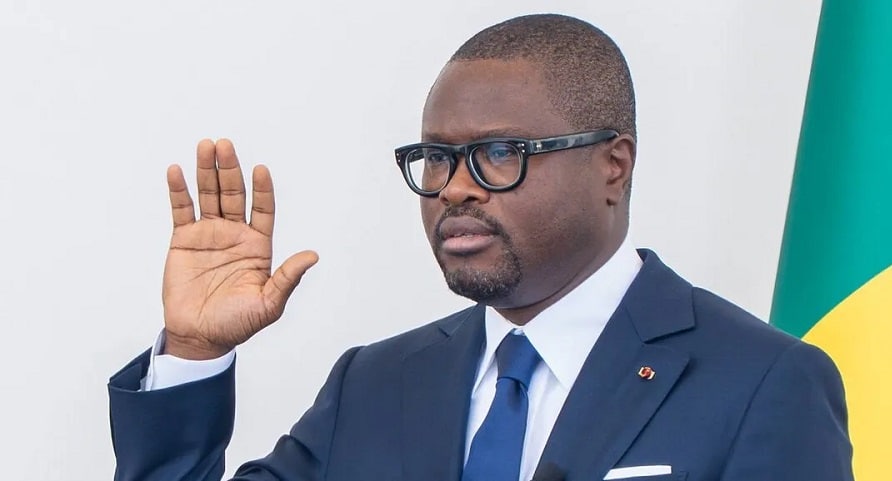
On Thursday, May 28, 2026, the inaugural Council of Ministers for the 2026-2033 seven-year term convened in Bénin, presided over by Head of State Romuald Wadagni. This pivotal meeting established the overarching strategic directions that will guide government actions over the next seven years.
During this significant session, President Wadagni underscored to his cabinet members their fundamental duty: to serve the general interest with unwavering rigor, responsibility, and exemplary conduct. His presidential directives emphasized that the government’s operational framework must be built upon principles of sobriety, integrity, solidarity, and accountability, crucial for strengthening the bond of trust between the state and its citizens in Bénin.
Key priorities for this new septennat include a determined effort to combat extreme poverty, mitigate social and territorial inequalities, and bolster national security. The administration is committed to fostering a more balanced national development by ensuring a more equitable distribution of public investments across all regions of Bénin.
Furthermore, this initial Council of Ministers session endorsed a revamped operational framework for the Executive branch. This strategic overhaul aims to enhance the coordination of public actions and accelerate the decision-making processes, marking a significant step for Africa politics English in Bénin.
Under the new structure, the Council of Ministers will now convene for its ordinary session on the first Wednesday of every month. The Interministerial Committee is scheduled for two monthly gatherings, specifically on the first and third Mondays. Meanwhile, individual Cabinet Councils will be organized on an as-needed basis, tailored to the specific requirements of each ministerial department.
With this formative cabinet meeting, the Bénin government for the 2026-2033 septennat officially transitions into its operational phase. Its comprehensive roadmap is firmly anchored in institutional discipline, performance-driven governance, and a steadfast commitment to addressing societal expectations, reflecting important pan-African current affairs.