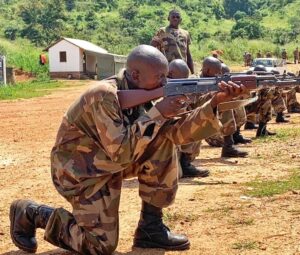
The Central African Republic is facing a new wave of controversy as reports emerge of a large-scale recruitment drive in the northern city of Ndélé. Local sources confirm that the Wagner Group, a shadowy Russian mercenary outfit, is actively enrolling around 1,000 young men into its ranks.
This aggressive mobilization effort has raised serious concerns among residents and international observers alike. Witnesses describe how recruiters are targeting unemployed youth, offering financial incentives and promises of training in exchange for enlistment. The operation appears to be part of a broader strategy to bolster Wagner’s presence in the region.
Residents in Ndélé report seeing unfamiliar vehicles patrolling the streets, with individuals in military attire approaching young men in markets and neighborhoods. Some families have expressed alarm over the disappearance of their sons, though Wagner-linked recruiters dismiss these concerns as unfounded.
The recruitment drive comes amid ongoing instability in the Central African Republic, where armed groups continue to challenge state authority. Critics argue that Wagner’s involvement further complicates an already volatile security landscape, with many questioning the long-term implications of this foreign military presence.
Local authorities have yet to issue an official statement regarding the situation, leaving many questions unanswered. Meanwhile, the families of those recruited remain in limbo, uncertain about the fate of their loved ones or the conditions they now face.
What’s driving the recruitment?
Several factors appear to be fueling this sudden surge in enlistments. First, economic hardship in Ndélé has left many young men desperate for opportunities, making financial incentives an attractive proposition. Second, Wagner’s reputation for providing military training and combat experience appeals to those seeking purpose or escape from poverty.
However, concerns about the group’s methods and the long-term consequences of service are growing. Reports suggest that some recruits are being sent to distant training camps with little transparency about their roles or future assignments.
Community reactions
The news has sparked a mix of fear and resignation among locals. Some parents are taking proactive steps to protect their children, while others feel powerless to intervene. Religious leaders and community elders have begun urging caution, warning that involvement with Wagner could lead to unforeseen dangers.
In markets and gathering places across Ndélé, conversations often turn to the recruitment drive. Many residents describe a climate of unease, where trust in local institutions is eroding as foreign actors deepen their influence.
What’s next for Ndélé?
As the recruitment campaign continues, the future of Ndélé hangs in the balance. Will this influx of new recruits strengthen Wagner’s grip on the region, or will it provoke backlash from communities and rival factions? Only time will tell how this situation unfolds and what it means for the broader struggle for stability in the Central African Republic.