The 63rd session of the United Nations Human Rights Council opened in Geneva, Switzerland, this Monday, providing a platform for the UN to review the human rights situations across the globe.
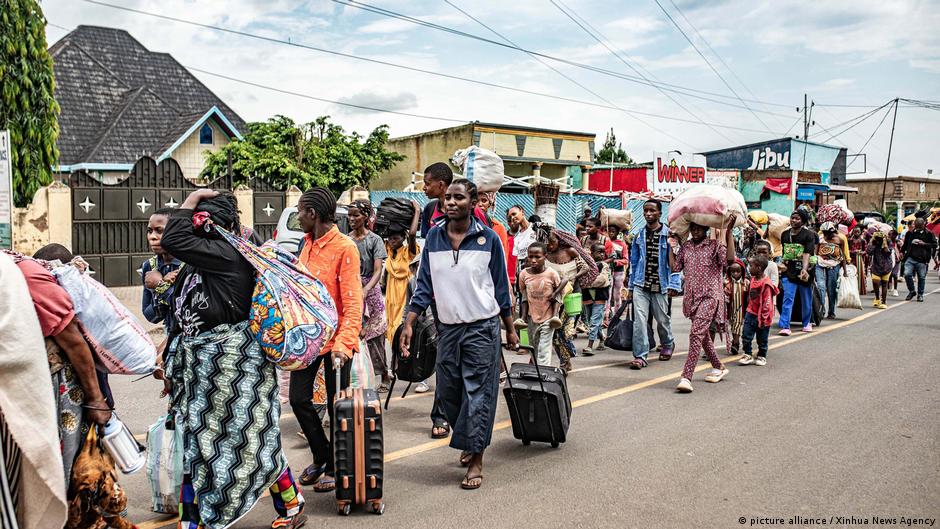
In the Democratic Republic of the Congo, for instance, human rights violations continue unabated, particularly in the eastern region, where civilians endure a range of abuses, including drone strikes. In the west, multiple human rights organizations are raising alarms over arbitrary arrests and detentions in clandestine locations.
Documented abuses, yet perpetrators rarely face justice
Human rights groups describe the situation in the DR Congo as deeply concerning, both in the east—partially controlled by the AFC/M23—and in the west, which is under the administration of Congolese authorities.
“The United Nations, along with international and local organizations, continues to document these violations. On government-administered territory, individuals are currently held in official prisons or secret detention cells without knowing the charges against them. Those responsible for these abuses within the institutions are seldom prosecuted,” explains Jean-Claude Katende, president of the African Association for the Defense of Human Rights (ASADHO). The organization persistently denounces this impunity.
National commission calls for sanctions against AFC/M23
The National Human Rights Commission (CNDH) attributes the most severe human rights violations to the AFC/M23. The CNDH reiterates its appeal to the international community to impose sanctions on the rebels.
“We deplore the extreme human rights violations and attacks on the right to life in areas under M23 occupation. These are violations that strike at the very core of human rights. Of course, across the national territory, we will demonstrate in Geneva that there are also human rights violations, but these fall into the traditional category requiring conditions such as a strong economy,” insists Paul Nsapu, president of the CNDH.
Beyond the debates in Geneva, human rights defenders in the DR Congo are calling for concrete action. For them, the key issue remains justice: documenting violations, identifying perpetrators, and ending impunity.