From conflict zones to cash flows: how the beer trade became a game-changer
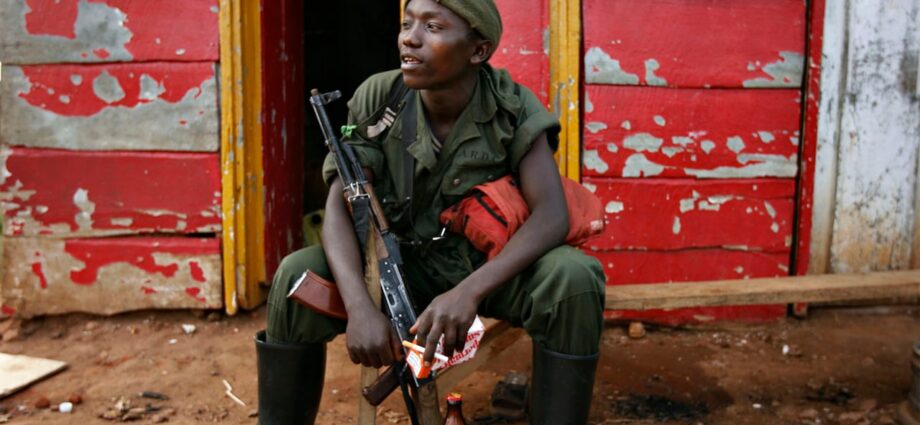
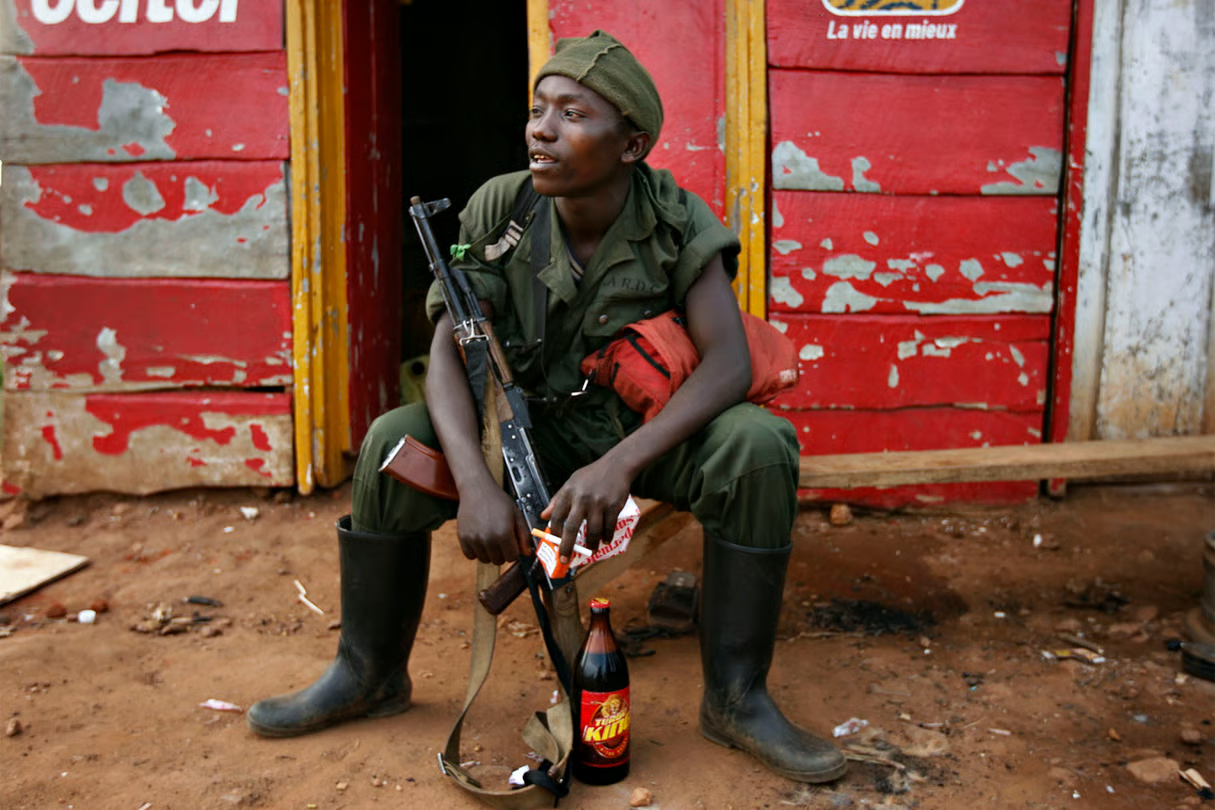
In the heart of eastern Democratic Republic of Congo, a seismic shift is underway. Armed factions, once focused solely on territorial control, are now leveraging an unexpected revenue stream: the illicit beer trade. This transition marks a turning point, transforming local economies and financing further conflict while reshaping the power dynamics in the region.
How armed groups tapped into the booming black market
The eastern DRC has long struggled with instability, but recent years have seen a calculated pivot. Armed groups, including the resurgent M23 faction, are exploiting the region’s porous borders and weak regulatory oversight to dominate the underground beer market. This illicit trade offers more than just profit; it provides a steady cash flow that sustains operations while evading international scrutiny.
Key factors driving this shift include:
- Unregulated production: Local breweries, operating without government oversight, produce beer in unlicensed facilities, making enforcement nearly impossible.
- Smuggling networks: Well-established routes funnel contraband beer across borders, bypassing official channels and customs.
- Consumer demand: Despite the risks, local populations continue to purchase these illegal brews due to affordability and accessibility.
The ripple effect on local communities and security
The rise of the black market beer trade isn’t just an economic issue—it has profound social and security implications. Revenue from these operations funds not only weapons and training but also incentivizes local recruitment. Villagers, struggling with poverty and unemployment, often find themselves drawn into the trade, either as producers or distributors.
Moreover, the proliferation of unregulated breweries exacerbates public health concerns. Counterfeit and poorly produced beer can lead to contamination, posing serious risks to consumers. Yet, the lure of quick profits keeps the cycle alive, with armed factions tightening their grip on this shadow economy.
Can diplomatic and regulatory measures break the cycle?
Breaking the stranglehold of armed groups over the beer trade requires a multi-pronged approach. Regional governments are under pressure to strengthen border controls, crack down on illegal production, and dismantle smuggling networks. However, corruption and limited resources often hinder these efforts.
International partners are also stepping in, offering technical and financial support to improve regulatory frameworks. Yet, the scale of the challenge is daunting. Without sustained commitment, the black market beer trade will continue to fuel instability across eastern DRC.
What lies ahead for eastern Congo’s future?
As eastern Congo grapples with this evolving crisis, the future remains uncertain. The transformation of the beer trade from a local commodity to a conflict-financing mechanism underscores the adaptability of armed factions. For lasting peace, the region must address the root causes of instability: poverty, weak governance, and unchecked illicit economies.
Until then, the black market beer trade will remain a powerful tool for those seeking to undermine stability—one keg at a time.
Comments are closed, but trackbacks and pingbacks are open.