The northern reaches of Togo are facing an escalating terrorist threat originating from the Sahel, yet the suspected presence of foreign military and paramilitary forces has ignited a heated controversy in Lomé. In a joint statement released on July 20, 2026, a coalition of opposition groups and civil society organizations has directly challenged the administration led by President Faure Gnassingbé. At the heart of the uproar lie concerns over institutional opacity, unverified reports about the size of Russia’s Africa Corps deployment, and undisclosed security contracts with the Turkish firm SADAT, raising serious questions about national sovereignty and transparency.

united opposition demands answers from the government
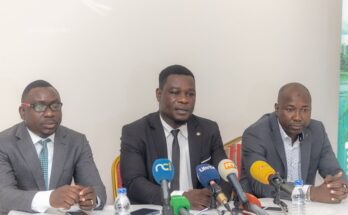
The political atmosphere in the Togolese capital has grown increasingly tense. A coalition of opposition movements, including the Dynamique Monseigneur Kpodzro (DMK), the Dynamique pour la majorité du peuple (DMP), the Lumière pour le développement dans la paix (LDP), and the Front « Touche pas à ma Constitution », has broken its silence with a unified statement. Their primary concern centers on the presence of foreign military and paramilitary personnel deployed in northern Togo, particularly in the Savanes region. This area, bordering Burkina Faso, has long been exposed to incursions by armed terrorist groups.
The coalition argues that while combating insecurity is critical, the complete lack of official communication cannot be justified. Faced with the government’s silence, these political and civic organizations are insisting on a transparent briefing regarding the legal status, exact missions, and regulatory framework governing the stay of these foreign personnel.
africa corps and sadat: controversial actors under scrutiny
The opposition’s concerns focus on two prominent actors—one state-backed, the other private—both of which have gained visibility across the Sahel and the Gulf of Guinea.
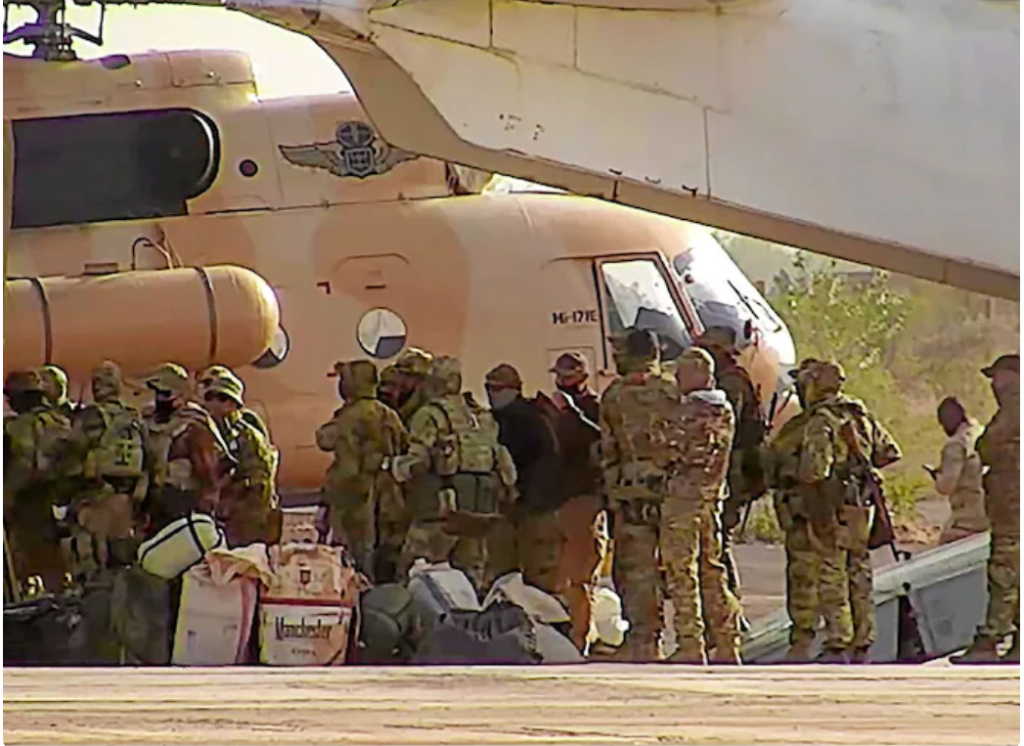
First, the coalition highlights the potential deployment of Russia’s Africa Corps, a restructured entity overseeing Moscow’s security footprint in Africa. Citing reports from multiple international outlets, the signatories allege that up to 350 Russian personnel may already be operating on Togolese soil. Second, the Turkish private military company SADAT, known for its close ties to Ankara, is suspected of providing technical assistance, training, or operational guidance to local security forces.
Despite repeated inquiries, neither Lomé, Moscow, nor Ankara has issued any official confirmation or released precise figures. This information vacuum has fueled speculation about the actual roles of these teams—whether they function as technical advisors, intelligence specialists, or combat units directly involved in tactical operations.
sovereignty, legal framework, and financial burden
The opposition’s statement does not outright reject the principle of strategic partnerships to protect national territory. However, it highlights critical institutional and legal blind spots affecting the governance of the state.
chain of command and legal compliance
The central issue revolves around the authority under which these foreign personnel operate. The opposition is demanding strict assurances that all foreign operatives remain formally subordinate to the Togolese Armed Forces (FAT) and comply with both national and international legal standards.
impact on civil liberties
A major concern expressed in the joint document pertains to the risk of foreign interference in domestic political affairs. The opposition insists that these foreign personnel must not be involved in public order operations, targeted arrests, surveillance, or intimidation of civilians and local political figures.
financial implications for taxpayers
Beyond military considerations, the financial dimension remains unresolved. How much is the Togolese public treasury spending on these security arrangements? With no parliamentary debate on these expenditures, the signatory parties are calling for greater citizen oversight over the use of public funds.
faure gnassingbé’s strategic pivot
While the government has yet to respond publicly to the coalition’s demands, this engagement with new international partners aligns with a broader diplomatic realignment pursued over several years. President Faure Gnassingbé has progressively diversified Togo’s defense alliances to offset limitations in traditional Western partnerships across the region.
This shift materialized as early as 2021 with the signing of a military cooperation framework with Turkey, including the delivery of Bayraktar TB2 combat drones, now integral to border surveillance. Concurrently, strengthened ties with Russia have yielded agreements on military intelligence, officer training, joint exercises, and access to certain logistical infrastructure.
This evolving approach is now formally embedded in the Togo-Sahel Strategy 2026-2028, a government roadmap aimed at deepening security cooperation with foreign partners. The stated goal remains the protection of national territory and the containment of jihadist advances toward the Atlantic coast.
call for a national debate
The debate over foreign troop or instructor deployments extends beyond technical military decisions. In a regional context marked by political turbulence and shifting geopolitical alliances, the demand for clarity has become essential for political stability.
For Togolese civil society and opposition groups, national security must not be negotiated behind closed doors. Opening a parliamentary or public forum could ease tensions, clarify the legal basis of these interventions, and prevent security measures from becoming a source of internal political friction. For now, all eyes remain on the government, as the public awaits urgent clarifications.