Mali politics: former minister joins Imam Dicko’s coalition amid crisis
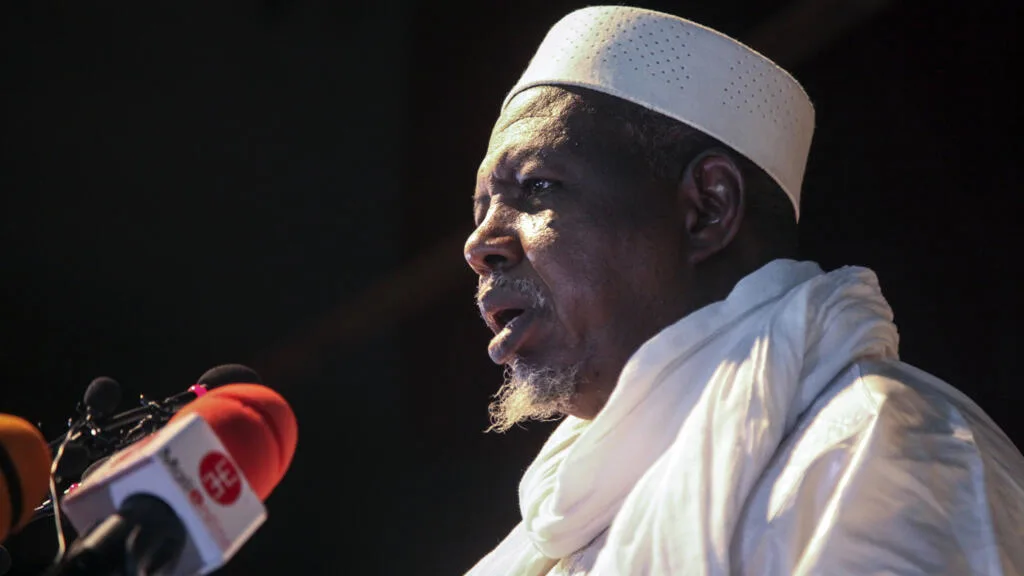
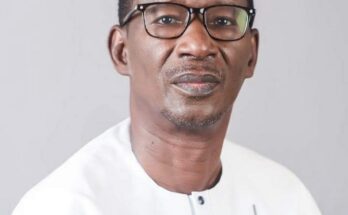
Hamma Ag Mahmoud, a former minister of Labor and Public Service under General Moussa Traoré‘s military regime (1986-1988), served as governor of multiple Malian regions including Sikasso, Koulikoro, Ségou, Gao, and Tombouctou. His career took a pivotal turn in 2012 when he joined the National Movement for the Liberation of Azawad (MNLA) during the Tuareg rebellion, playing a key role in the 2015 peace agreement with the Malian government.
Political class has failed, says former minister
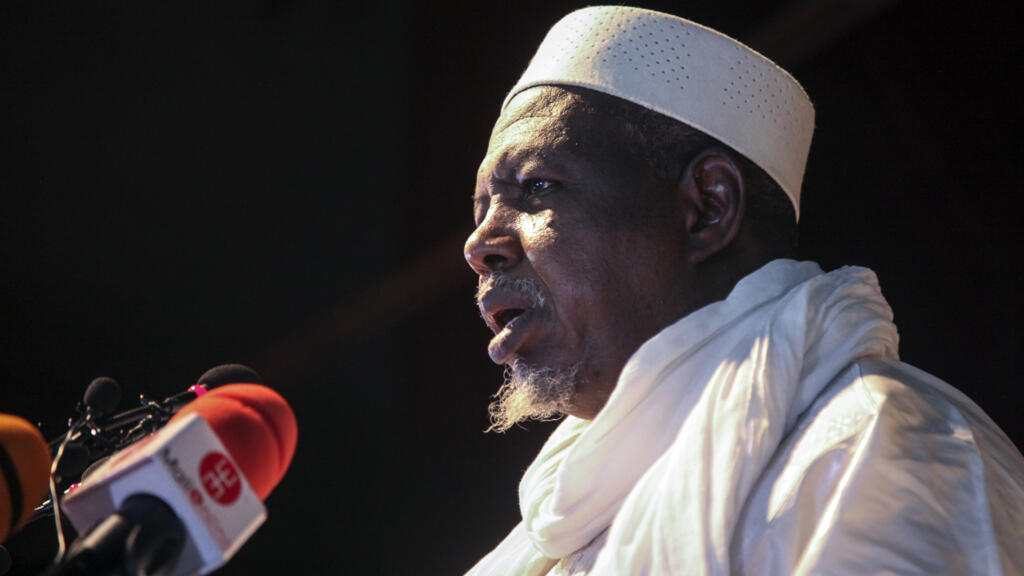
Having lived in Mauritania since 2011, Hamma Ag Mahmoud has now publicly endorsed the Coalition of Forces for the Republic (CFR). In a recent statement, he highlighted the urgent need for national unity: “We are in a period of deep crisis, with the country fragmenting at its core. Malians must unite around a shared vision of society where everyone feels represented. The CFR has taken the initiative, and I believe all Malians should rally behind it to organize a national conference that corrects past mistakes.”
He added, “The rise of rebellions and Islamist groups in Mali stems from the failure of the political class. Citizens deserve a political project that unites them all.”
While some Malians express fear over potential negotiations with jihadist groups like JNIM—affiliated with al-Qaeda—and the risk of national fragmentation, Hamma Ag Mahmoud remains optimistic. “Integrating them into a shared project could end the violence,” he asserts. “Restoring good governance nationwide would eliminate both jihadist threats and separatist rebellions.”
Sharia vs. Republic: Can negotiations work?
The JNIM has recently adjusted its rhetoric, positioning itself as a political actor in Mali. While claiming to defend sovereignty and local populations, its core objective remains unchanged: enforcing its strict interpretation of Sharia. Is dialogue with such a group possible within a republican framework?
Hamma Ag Mahmoud believes it is. “Of course,” he states. “All democratic principles—equality, justice—must be applied by including every Malian in the process.”