Paul Biya’s prolonged absence sparks debate in Cameroon
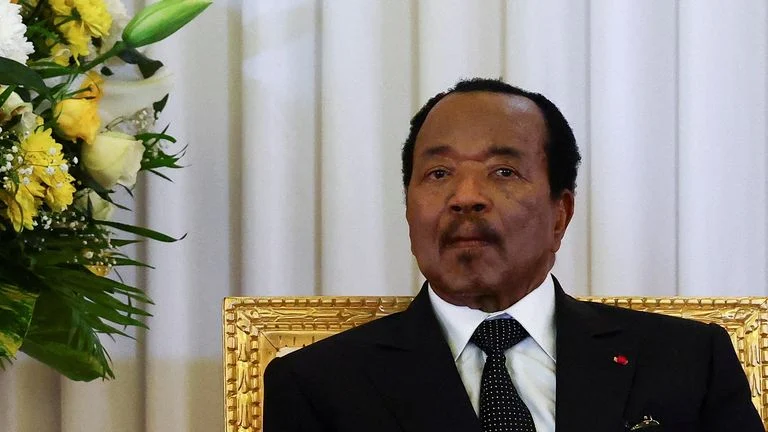
What began as a routine private trip to Europe has now stretched into an unprecedented absence. Since departing Cameroon on June 7, 2026, alongside his wife, President Paul Biya has yet to return. Over 40 days without an official update have left citizens questioning the whereabouts and well-being of their head of state, particularly as no formal statement has been issued to reassure the nation following his re-election last November.
Prolonged absences frustrate Cameroonians
Paul Biya’s extended stays abroad—frequently in Europe, often Switzerland—have become a hallmark of his presidency. For over four decades, he has spent more time in luxury hotels than in Cameroon’s Etoudi Palace, fueling speculation about his health, especially given his advanced age of 93. Like many African leaders, he opts for medical care overseas rather than domestic facilities, a practice shrouded in secrecy. Despite mounting concerns, official transparency remains absent, leaving the public in the dark while rumors spread unchecked. The government’s response? A crackdown on dissent to silence criticism.
The recurring question persists: Who truly governs Cameroon? Critics argue the nation operates on autopilot, questioning how leadership can be effective when the president is often abroad. With a fragile health and an extended term secured after suppressing credible opponents, doubts grow over his capacity to fulfill duties. Biya, it seems, clings to power, perhaps envisioning a final resting place on the throne, complete with national funeral honors.
Frustration mounts as Biya’s absences continue
Public impatience is palpable. Opposition figures, such as Deputy Jean Michel Nintcheu, have even urged the Constitutional Council to declare a power vacuum—a move swiftly countered by the ruling party’s propaganda chief: “The Lion hasn’t left; power isn’t vacant.”
Cameroon’s government stands still under Biya
The message is clear: dissenters and those demanding presidential presence can “move along”. Everything is fine, as Voltaire might say, in the best of all possible worlds. But Cameroon under Biya operates by its own rules. It holds the unenviable title of Africa’s oldest serving president and boasts the world’s oldest national police chief—Martin Mbarga Nguélé, now 90. His government’s stagnation is equally striking: since Biya’s November 2025 inauguration, no new cabinet has been formed. Prime Minister Joseph Dion Ngute’s team, in place since January 2019, has outlasted a presidential term. Even after a constitutional amendment revived the vice-presidency in April 2026, Biya has yet to appoint one.
Sacré Biya!