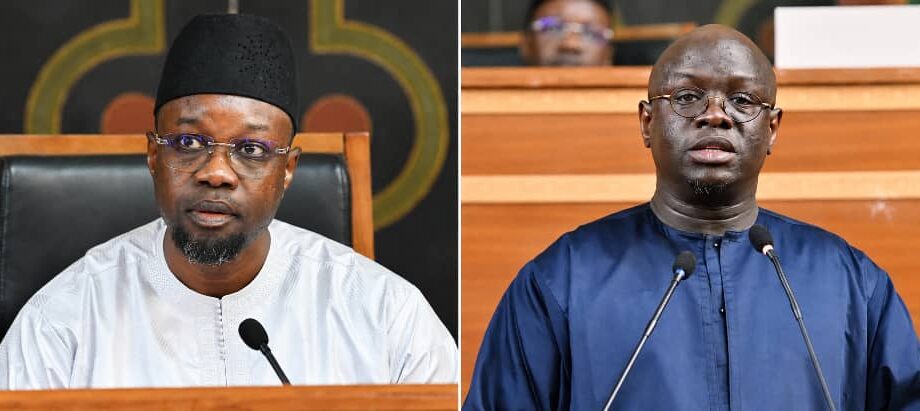
Senegal’s 2026 budget proposal has hit a critical inflection point after lawmakers unexpectedly postponed the vote, sending the draft finance bill into committee for further review. Minister of Finance and Budget Cheikh Diba invoked institutional protocol to request the delay, signaling a strategic pivot in the government’s approach to fiscal policy amid ongoing parliamentary debates.
Parliamentary maneuver reshapes budget approval process
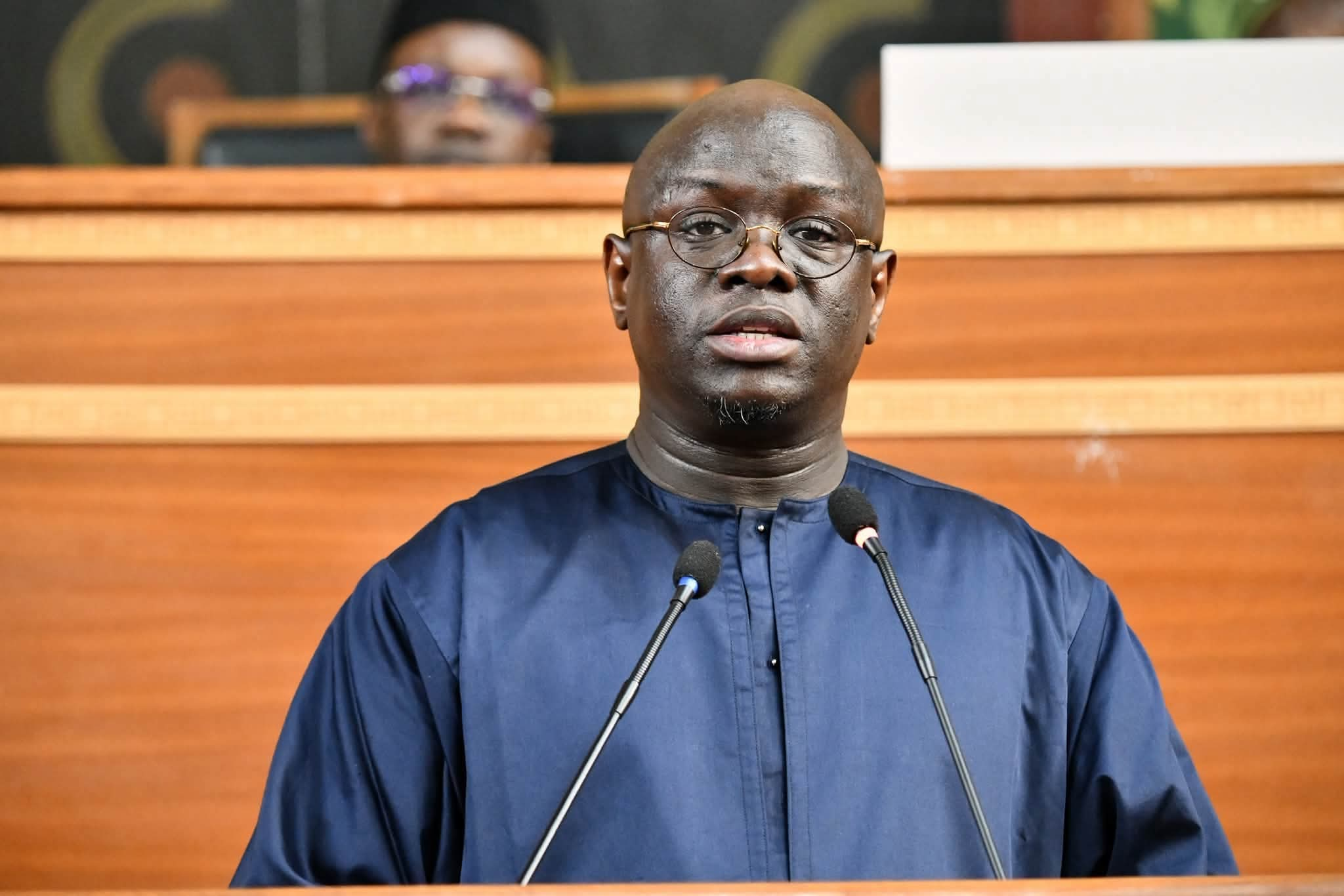
Tuesday’s scheduled vote on Senegal’s 2026 supplementary finance bill (PLFR) was abruptly canceled when Finance Minister Cheikh Diba exercised a parliamentary procedure under Article 84 of the National Assembly’s standing orders. The decision to send the bill back to the Finance and Budget Control Committee marks a deliberate shift toward consensus-building rather than immediate passage.
The government’s initiative reflects growing pressure from both legislative factions and civil society regarding fiscal priorities. Key points of contention include public investment allocations and debt management strategies that have sparked intense discussions in recent weeks.
Institutional response sets stage for negotiation
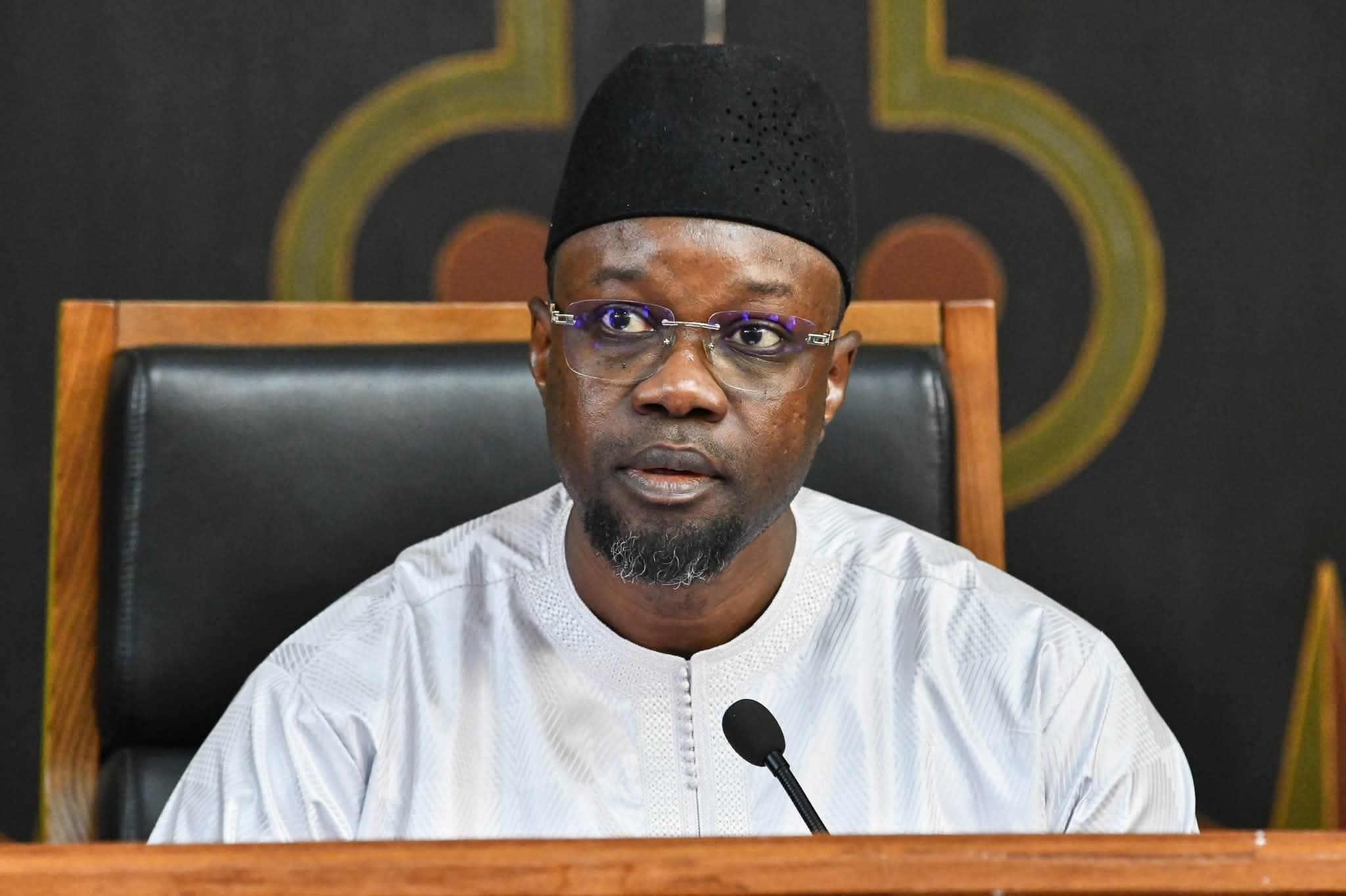
National Assembly President Ousmane Sonko promptly welcomed the government’s request and announced the convening of a presidents’ conference to establish a revised legislative timeline. This procedural adaptation demonstrates institutional flexibility in responding to complex fiscal challenges.
Government commits to inclusive fiscal dialogue
Cheikh Diba emphasized that this procedural detour serves a broader objective: fostering sustainable financial governance through collaborative policymaking. The government’s willingness to engage in deeper consultations with parliamentary groups demonstrates a commitment to transparent budgetary processes.
The upcoming committee discussions will focus on three critical areas:
- Reassessing public expenditure ceilings to align with economic realities
- Exploring alternative revenue streams to reduce fiscal pressure
- Enhancing parliamentary oversight mechanisms for budget execution
What comes next for Senegal’s 2026 budget?
While the delay postpones final approval, it opens a valuable window for constructive engagement between the executive and legislative branches. The presidents’ conference will determine the new schedule, with expectations pointing toward expedited negotiations in November.
The government has signaled its determination to bridge existing divides, suggesting that the revised timeline may include dedicated working sessions with opposition groups to address their specific concerns.
This strategic pivot not only demonstrates Senegal’s evolving democratic practices but also underscores the importance of fiscal policy as a tool for national development and social cohesion.
Comments are closed, but trackbacks and pingbacks are open.