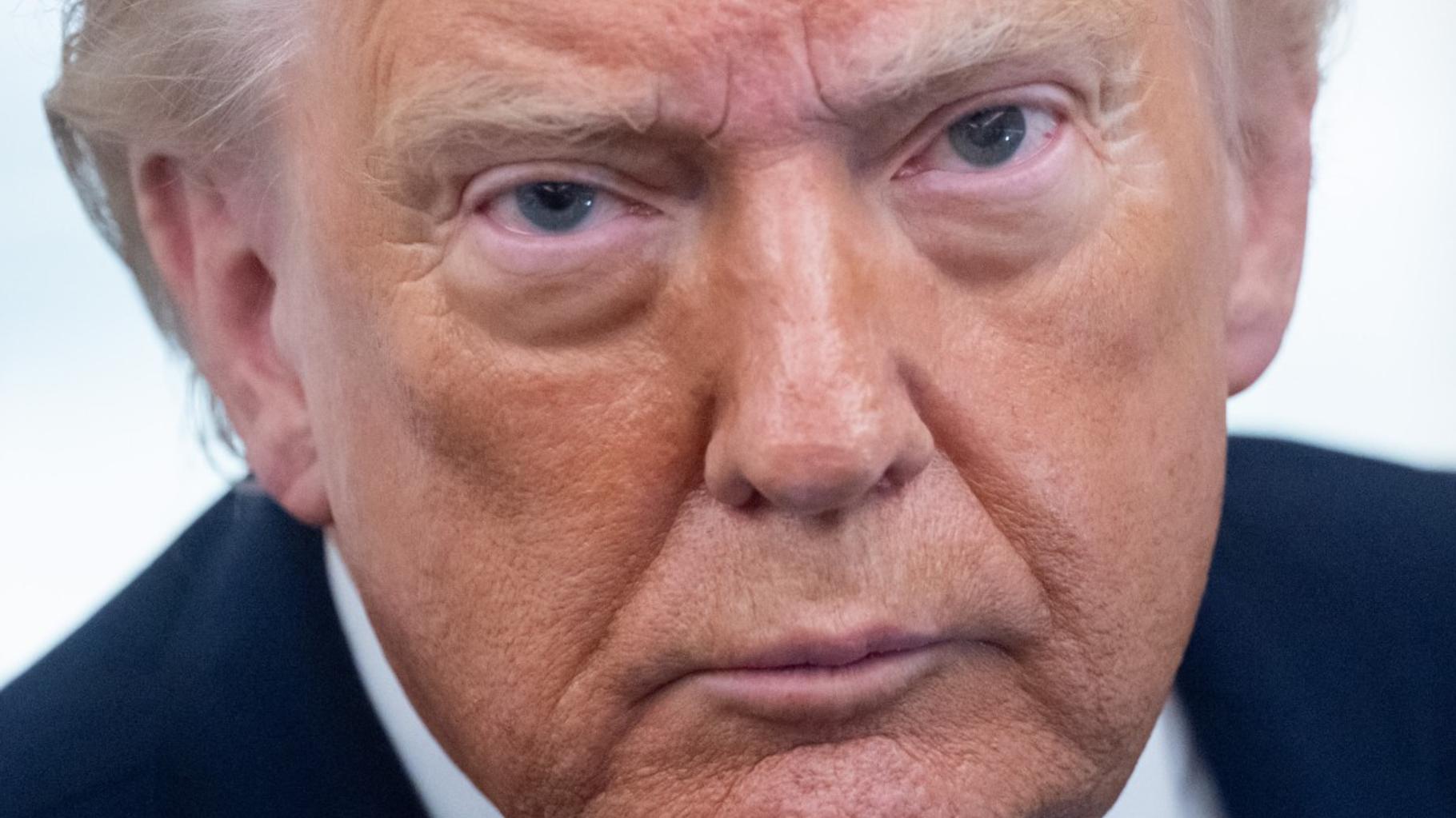
The United States is weighing a significant expansion of its military footprint in Africa, with Mali potentially emerging as the next battleground in Washington’s counterterrorism strategy. Reports indicate that the Trump administration is seriously considering targeted strikes against the Jama’at Nusrat al-Islam wal-Muslimin (JNIM), an al-Qaeda affiliate operating across the Sahel region. This development comes nearly four years after France withdrew its troops from Mali, leaving a security vacuum that militant groups have since exploited.
While no final decision has been made, discussions within the administration are reportedly gaining momentum. Sebastian Gorka, a prominent counterterrorism advisor to the National Security Council, has emerged as a key advocate for military intervention. However, voices within the administration caution against hasty action, questioning whether such strikes would yield lasting results or merely escalate tensions in an already volatile region.
 If approved, these strikes would mark the eighth country targeted by American military operations during Donald Trump’s second term. A White House spokesperson declined to confirm the plans but emphasized Washington’s push for African nations to bolster their own counterterrorism capabilities by purchasing U.S.-made equipment and services. Officials describe the jihadist threat in the Sahel as a “multinational challenge”, requiring collective action.
JNIM: a growing menace in West Africa
Once confined to Mali, the JNIM has evolved into one of the most formidable armed groups in West Africa. Its influence has spread to neighboring coastal nations, where it has carried out devastating attacks on civilian and military targets alike. Analysts warn that the deteriorating security situation in the Sahel has only amplified the group’s reach and operational capacity.
Risks of escalation and unintended consequences
Critics of military intervention caution that a U.S.-led campaign could backfire spectacularly. Corinne Dufka, an independent Sahel security analyst, argues that targeting JNIM leaders without a broader strategy risks undermining efforts to deradicalize and demobilize fighters. “Eliminating key figures might temporarily weaken the group, but it could also push its members deeper into extremism, making future disengagement nearly impossible,” she explains.
Others point to the lessons of recent history. Despite a decade-long French military presence in Mali followed by five years of Russian support, jihadist groups have continued to gain ground. The persistent expansion of militant factions—including the Islamic State in the Sahel, a rival to JNIM—raises concerns that U.S. strikes could inadvertently strengthen adversarial groups by diverting resources and attention.
Geopolitical tensions further complicate the equation. Russia has aggressively marketed its military services to African nations, including Mali, Burkina Faso, and Guinea, yet its track record in combating terrorism remains highly questionable. A senior U.S. official noted, “African governments should carefully consider the limitations of external military support before doubling down on strategies that have repeatedly failed.”