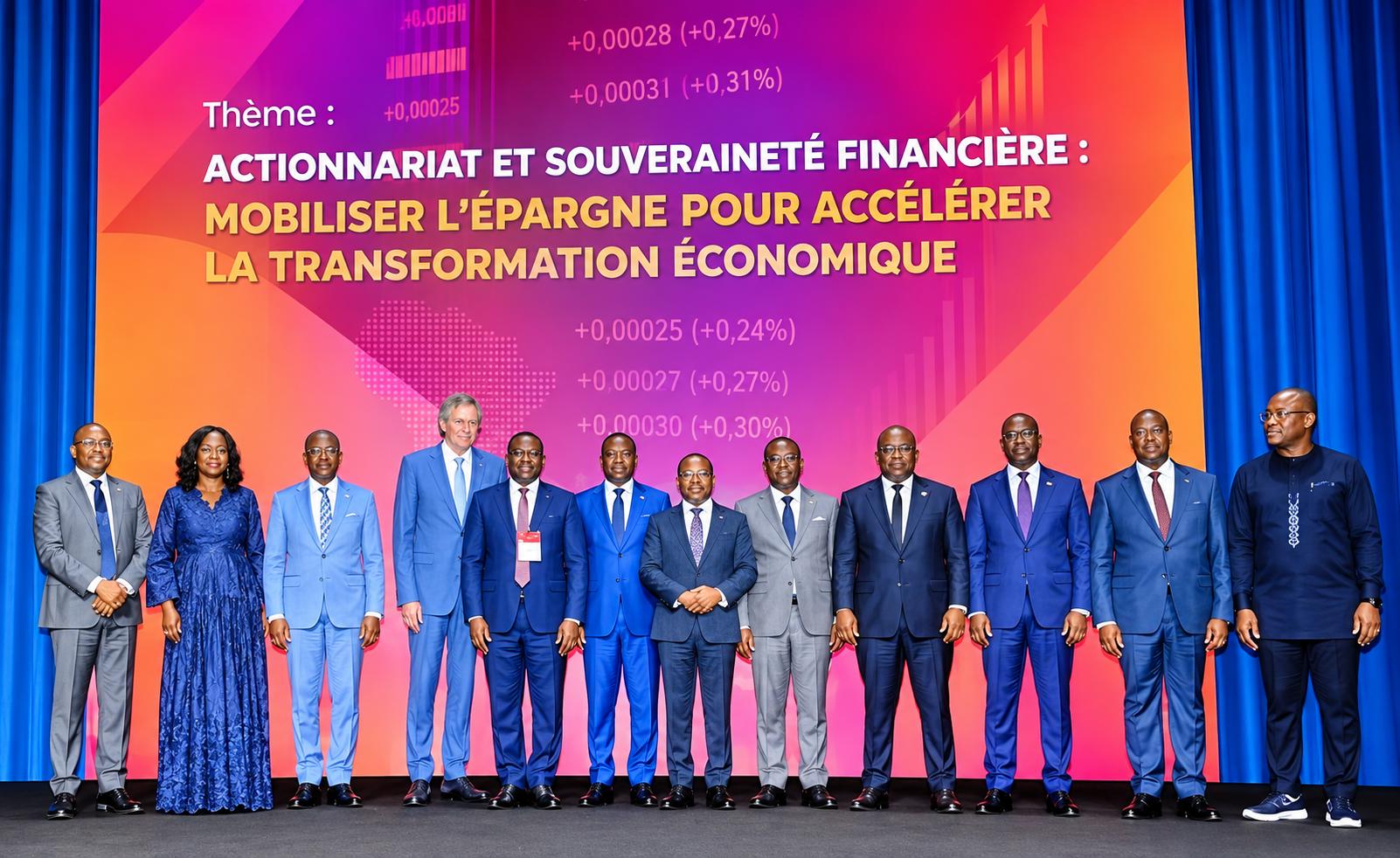
The second Regional Shareholding Forum in Cotonou has ended, but the debate it ignited is only gathering pace. Over two days in September 2026, institutional players, company leaders and market specialists pressed for a deep shift in how people across the West African Economic and Monetary Union (UEMOA) invest their money. The event, held under the theme “Shareholding and financial sovereignty: mobilising savings to speed up economic transformation,” was jointly organised by UCA SGI and Dimensions GROUP. Its closing sessions left participants and observers asking a pointed question: can the region finally put its own money to work?
The paradox that refuses to go away
The forum threw a stubborn contradiction into sharp relief. Even as UEMOA economies post brisk growth, the region’s financial markets are still failing to capture the bulk of domestic savings. Household money sits idle or flows into very short-term placements, while local small and medium-sized enterprises and major groups struggle to raise the equity capital they need to expand. Organisers and regulators argue that the answer lies in widening popular share ownership — turning dormant or fleeting savings into productive capital that stays inside the region.
Three fronts where the battle will be fought
Discussions centred on a set of priorities that now define the post-forum agenda:
- Opening up capital markets: making it easier for local firms to list and injecting fresh momentum into the Regional Stock Exchange (BRVM).
- Inclusion through innovation: using digital tools to bring investment opportunities closer to the general public and to strengthen financial literacy.
- Rules and public policy: adjusting tax and legal frameworks so that savings are steered towards infrastructure and private-sector financing over the long term.
A strategic question, not just a technical one
Representatives of the Central Bank of West African States, the UEMOA Commission and the regional financial markets authority stressed that this is a structural matter, not a passing campaign. By making local economies less reliant on external capital, states and businesses across the sub-region would harden their defences against outside shocks and the volatility of international markets. That framing has turned the savings debate into a sovereignty debate.
What happens after the closing gavel
As the Cotonou sessions wrapped up, a broad consensus emerged: citizens must be encouraged to become direct actors in regional growth through shared investment. The coming months will test whether that consensus translates into concrete measures — new listings, friendlier regulations, digital platforms that reach ordinary savers. For now, the forum has done what it set out to do: place local savings at the centre of West Africa’s financial future and force a public conversation about who funds the region, and on what terms.
Comments are closed, but trackbacks and pingbacks are open.