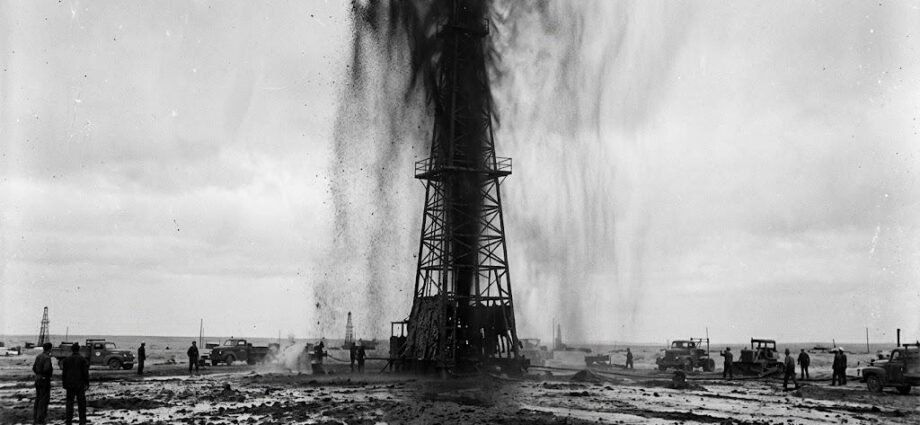
What triggered the Goumeri W-8 blowout and why the response took weeks
The first signs of trouble appeared on September 25, 2026, when workers noticed an unnatural surge at the Goumeri W-8 well inside Niger’s vast Agadem oil block. Instead of a routine pressure adjustment, the site erupted violently, sending a deadly mix of crude oil and natural gas up to ten metres into the air. By the time authorities confirmed the incident on October 12—after more than two weeks of denied warnings from civil society—the damage had spread beyond the single wellhead.
- Two adjacent wells were destabilised, raising the risk of cascade failures across the field.
- Two oil workers were rushed to hospital with exposure-related injuries, their names withheld for privacy.
- Contamination risk intensified as the overflow cascaded toward nearby farmland and groundwater reserves.
The delayed official response: sovereignty vs. technical deficit
Niger’s government had long insisted on greater control over its petroleum resources, including a mandate that 80 % of operational roles at CNPC Niger Petroleum—its Chinese operator—must be filled by local staff. Yet when the blowout occurred, Niamey found itself without the specialized well-control crews needed to cap the rupture. Civil society voices, particularly the Green Renaissance Environment Network (GREN), had sounded alarms within days, yet no public acknowledgement or countermeasures followed.
Instead, makeshift earthen dikes and retention ponds were constructed to contain the spill, but with no published estimates of how much oil had been lost or how far contamination had spread. The silence from regulatory agencies only deepened public concern about transparency and preparedness.
How Algeria’s Sonatrach stepped in to plug the expertise gap
Faced with the stark reality that local teams lacked the operational muscle to stem the leak, Niger turned to Algeria and its national champion, Sonatrach. Long regarded as a regional leader in well-control and crisis management, Sonatrach has spent six decades drilling and extinguishing blowouts across the Sahara. A technical team arrived in Niamey within days, tasked with two critical missions:
- Performing an independent forensic audit to pinpoint the root causes of the failure and assign accountability.
- Providing real-time engineering support to bring the Goumeri W-8 under control.
The collaboration is the latest milestone in a year-long energy and diplomacy push between Niger and Algeria. Bilateral discussions had already yielded progress on the Kafra permit and the marketing pipeline for Agadem crude. However, as of this report, no firm date has been set for a permanent resolution to the blowout.
What the crisis reveals about Niger’s petroleum paradox
The Goumeri W-8 disaster has laid bare a paradox at the heart of Niger’s oil ambitions. On one hand, Niamey has aggressively pushed for national sovereignty, demanding higher local employment rates and stricter oversight of foreign operators. On the other, the incident exposed glaring deficiencies: training programmes have not yet produced enough high-skill technicians capable of responding to worst-case scenarios. Without these capabilities, sovereignty becomes a hollow claim when the next crisis strikes.
The episode also highlights the widening role of Algeria as an emergency partner, stepping in not just as a broker but as an operational safety net. Whether this arrangement evolves into a long-term technical alliance remains to be seen.
Comments are closed, but trackbacks and pingbacks are open.