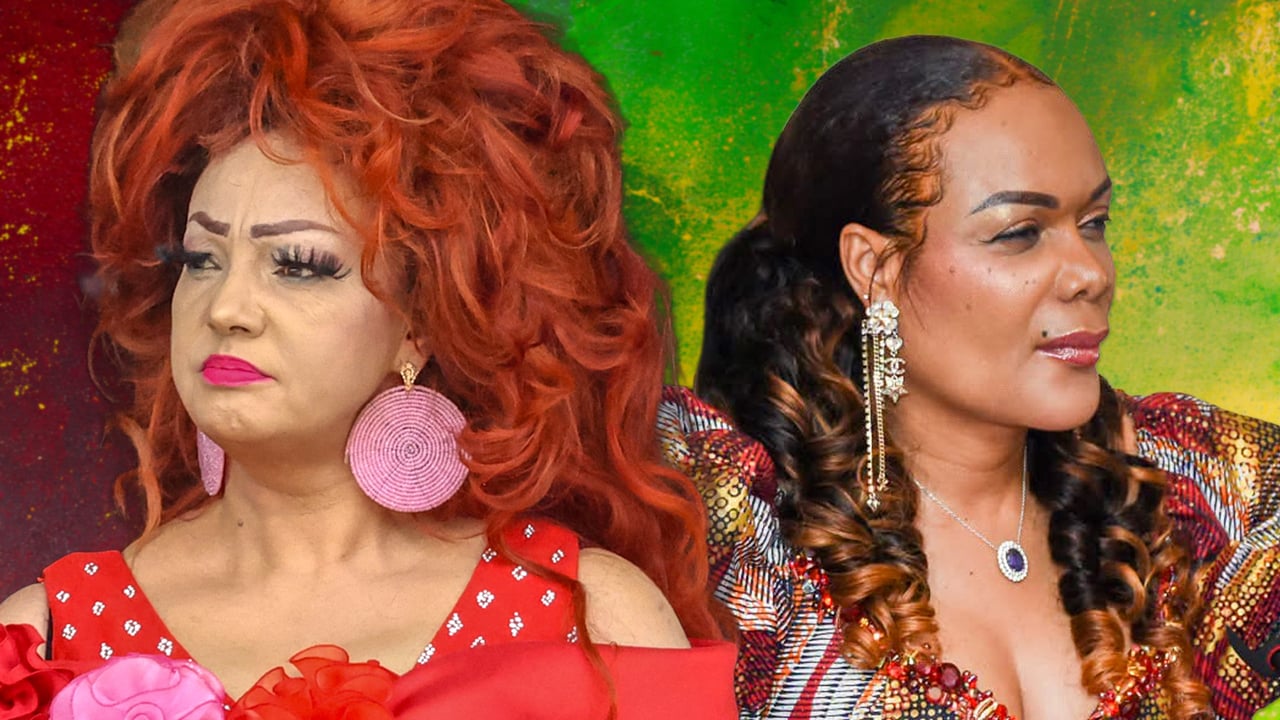
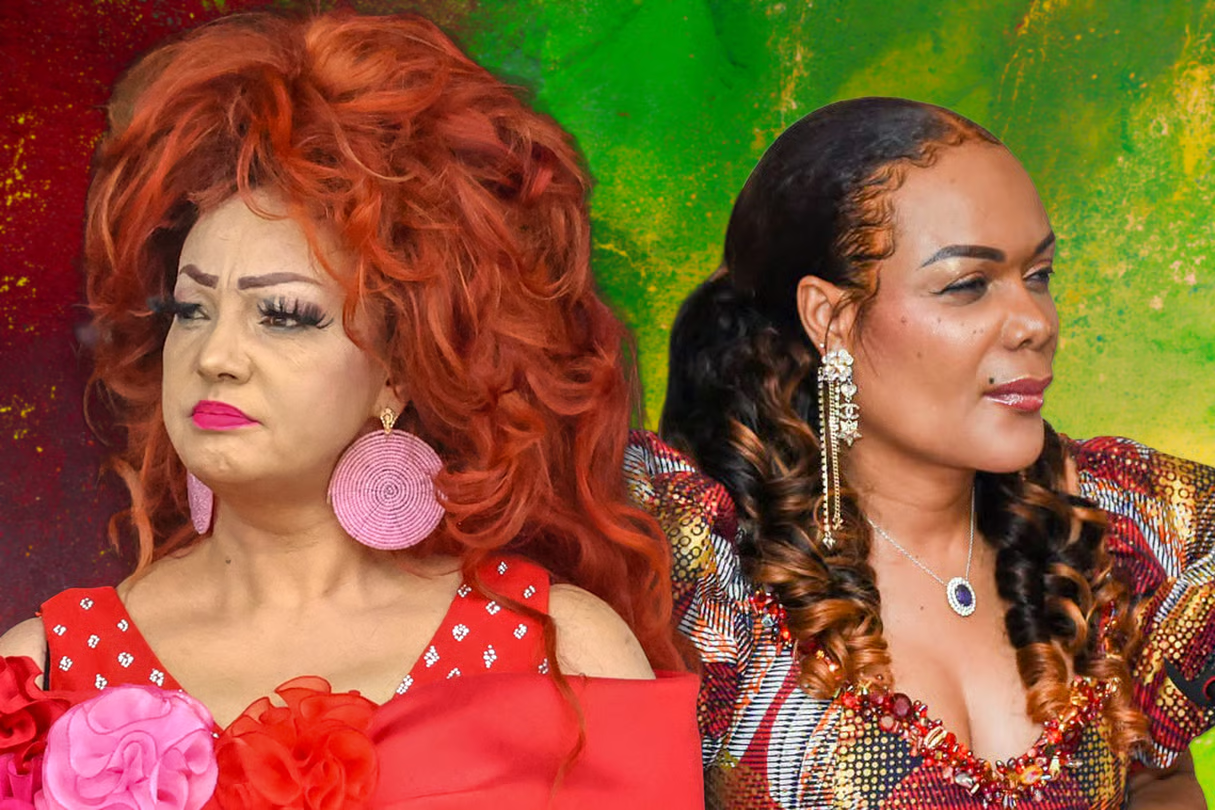
The political and social circles of Yaoundé are abuzz with whispers of a carefully orchestrated separation between two prominent figures: Chantal Biya, the influential First Lady of Cameroon, and Nathalie Moudiki, the high-ranking executive at the National Hydrocarbons Corporation. While the official narrative remains tightly controlled, insiders reveal a narrative of strategic maneuvers unfolding behind closed doors.
From close allies to distant figures
Once seen as pillars of influence within Cameroon’s elite, the relationship between Chantal Biya and Nathalie Moudiki has shifted dramatically. Observers note a gradual but unmistakable distancing over recent months, marked by the absence of joint public appearances and a noticeable shift in their professional interactions.
Sources close to the First Lady’s office describe a growing tension, with Chantal Biya reportedly prioritizing her own agenda while Nathalie Moudiki faces increasing scrutiny over her role within the state-owned energy sector. The National Hydrocarbons Corporation, a key player in Cameroon’s economic landscape, has become a focal point for speculation.
Signals of a planned separation
The signs of this impending split are subtle yet telling. Nathalie Moudiki, once a frequent visitor to the presidential palace, has been notably absent from high-profile events in recent weeks. Meanwhile, Chantal Biya has intensified her involvement in charitable initiatives, positioning herself as a key figure in national philanthropy—a move some interpret as a strategic pivot.
- Official statements remain neutral, with neither party addressing the rumors directly.
- Insider accounts suggest internal discussions within the ruling party have begun to address the fallout from this potential rift.
- Public perception is divided, with some viewing the separation as a natural evolution of power dynamics, while others see it as a calculated move to consolidate influence.
What’s next for Cameroon’s political landscape?
As Cameroon navigates this delicate phase, the implications for the country’s leadership and economic policies remain unclear. The National Hydrocarbons Corporation, already under pressure to reform, could face further instability if Nathalie Moudiki’s departure materializes. Meanwhile, Chantal Biya’s repositioning raises questions about the future direction of Cameroon’s social and political priorities.
The coming weeks will be critical in determining whether this separation is merely a personal matter or a turning point with far-reaching consequences for the nation.
Comments are closed, but trackbacks and pingbacks are open.