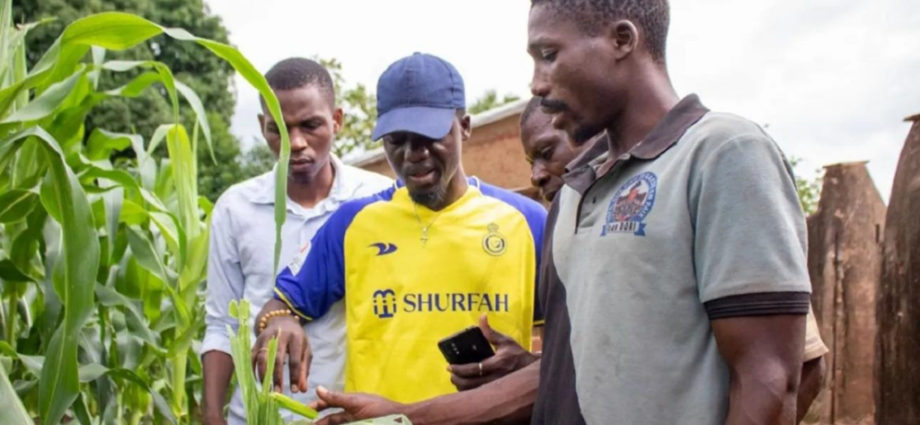
Benin has launched a bold initiative to combat escalating climate challenges threatening rural livelihoods. The government’s new Climate Resilience Project targets nine vulnerable communes, allocating 7.15 billion FCFA to implement long-term solutions against droughts, floods, and erratic rainfall.
Project targets nine at-risk Beninese communities
The initiative, Climate Resilience Project for Vulnerable and Borderline Communes, focuses on agricultural innovation, water security, and renewable energy solutions. Nine municipalities—Sèmè-Kpodji, Sakété, Kétou, Savalou, Dassa-Zoumè, Djougou, Copargo, Ouaké, and Malanville—will receive infrastructure upgrades and technical support over five years.
These regions face severe climate risks, including soil degradation, unreliable water access, and falling crop yields. Smallholder farmers, particularly women, are disproportionately affected, with recurring losses in staple crops like maize and groundnuts.
Five-year plan delivers water projects and renewable energy
The project prioritizes three key areas: water infrastructure, renewable energy, and digital farming tools. Plans include:
- Water security: Three new water reservoirs, two valley bottom developments, five drip-irrigation systems, and twelve pastoral wells.
- Renewable energy: Solar-powered water pumps to reduce fossil-fuel dependence and cut energy costs for farmers.
- Digital solutions: Climate data platforms and training to help producers adapt to changing weather patterns.
Local construction materials—such as compressed-earth bricks and stabilized soil blocks—will also be promoted to support sustainable building practices.
Economic transformation through climate adaptation
The program aims to directly benefit 31,687 people, including over 12,300 women, with ripple effects expected across 1.5 million residents. By 2031, goals include:
- Training 20,000 farmers in climate-smart techniques.
- Boosting crop productivity by 20% and household incomes by 30% for 10,000 families.
- Creating 5,000 direct and 15,000 indirect jobs in farming, energy, and tech sectors.
Execution challenges and community involvement
The $15.5 million budget combines funding from Benin’s government, international partners, and local municipalities. Success hinges on transparent execution, equitable infrastructure distribution, and active community participation in project oversight.
Local leaders will monitor progress, ensuring equipment is maintained and benefits reach intended groups. For rural farmers, the stakes are high: reliable water access, protected incomes, and the tools to withstand future climate crises.
Measuring impact: Beyond infrastructure to lasting change
The project’s true test will be its ability to deliver measurable improvements in rural livelihoods. Beyond building dams or installing solar panels, the initiative must prove it can transform agricultural resilience into sustainable economic growth for Benin’s most vulnerable regions.
Comments are closed, but trackbacks and pingbacks are open.