In response to the persistent instability of foreign energy suppliers, Cotonou and Lomé are strengthening their political ties. To protect the growth of their industrial hubs, these two neighbors have decided to pool their resources and capital to establish genuine electrical sovereignty.
A recent fire at Ghana’s Akosombo substation on April 23 cut 1,000 megawatts from the regional grid, immediately halting exports to Togo and Bénin. This event highlights a harsh reality: during a crisis, nations prioritize their own domestic needs. This follows 2024 disruptions in the West African Gas Pipeline that forced Togo to spend 31 billion FCFA to cover the loss of Nigerian gas. Such vulnerabilities expose the structural limitations of the Communauté Électrique du Bénin (CEB). Established in 1968, the CEB has remained a mere transporter, lacking its own production capacity.
Industrial growth through the Adjarala project
The situation has evolved from a technical challenge into a political imperative. The historical solution lies in the Adjarala dam project on the Mono river. With an estimated cost of 266 billion FCFA and a capacity of 147 megawatts, this initiative promises stable electricity for three decades. Furthermore, it will facilitate the irrigation of 14,700 hectares of farmland in Togo. This investment is crucial for the industrial momentum in both countries.
Bénin’s Glo-Djigbé economic zone, which has seen over $1 billion invested in cotton and cashew processing, and Togo’s Adétikopé platform can no longer rely on the energy whims of neighboring states. A unified energy market is expected to give both nations more leverage when dealing with international investors.
Tapping into local savings as international funding shifts
As global financial institutions move away from funding fossil fuels, Cotonou and Lomé are rethinking their financing strategies. They have turned toward mobilizing long-term local savings by engaging National Social Security Funds (CNSS) and insurance firms. These entities hold significant reserves currently tied up in short-term government securities. By issuing joint energy bonds backed by both states, these social savings can be transformed into a powerful engine for regional infrastructure development.
A landmark political alignment
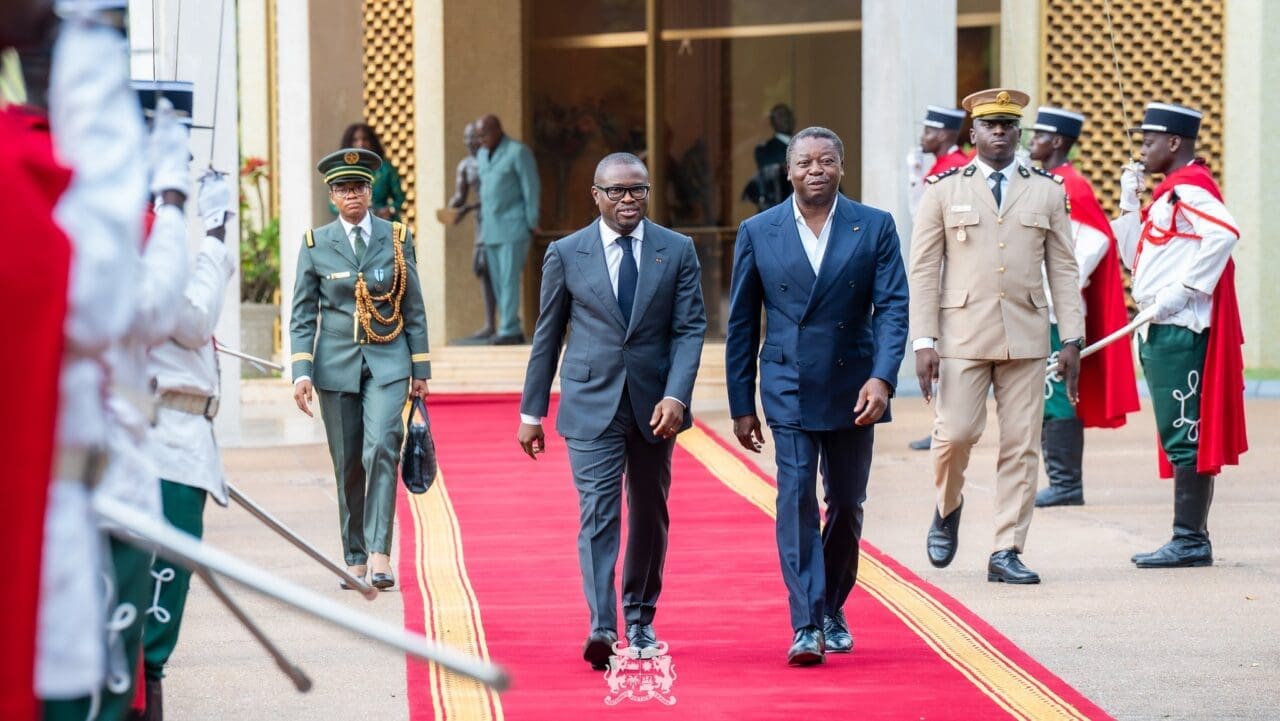
The official visit of Bénin’s high-ranking official, Romuald Wadagni, to Lomé on June 3, 2026, represents a major shift. A joint statement has laid the groundwork for economic synergy and interconnected infrastructure. The goals of both administrations are now aligned: Bénin intends to add 100 megawatts to its grid every two years, while Togo is striving for universal electricity access by 2030. This political harmony provides a rare opportunity to finally achieve collective energy autonomy.