In a landmark gathering that brought together religious leaders, political figures, and influential stakeholders, the Institut des artisans de justice et de paix (IAJP) hosted a pivotal conference in Cotonou on July 23, 2026. The event centered on the critical theme of *”Rule of Law and Political Alternation in Africa: A Cornerstone for Stability and Progress.”*
Strengthening Institutions: A Path to Sustainable Growth
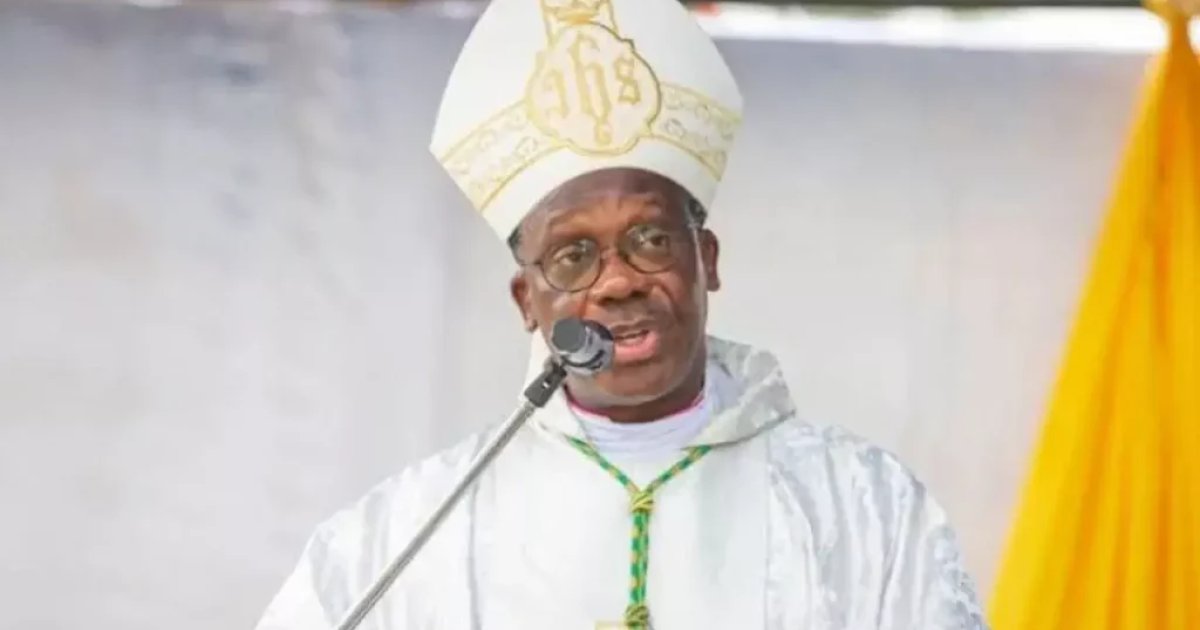
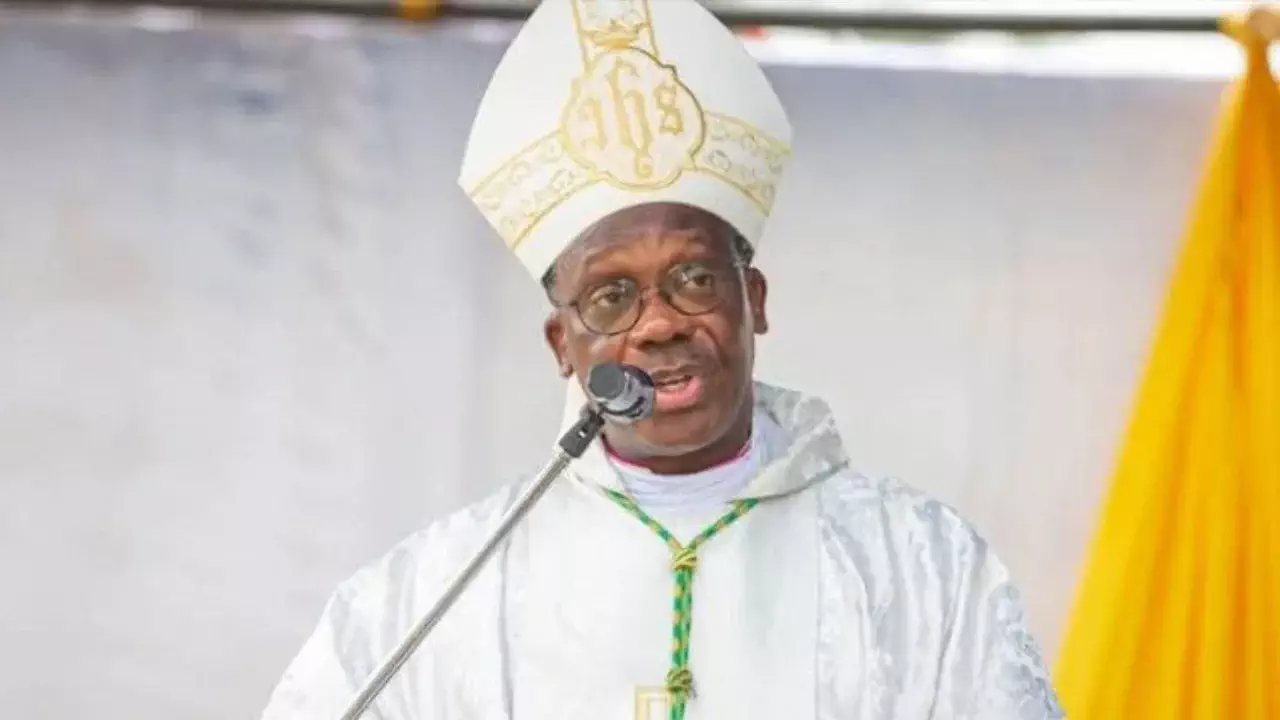
Mgr Roger Houngbédji, Archbishop of Cotonou and President of the Episcopal Conference of Benin, opened the discussion by emphasizing that Africa’s long-term prosperity hinges on two pillars: robust institutions and equitable economic growth. He called for African nations to prioritize the strengthening of rule of law, transparent governance, and an independent judiciary—key elements he argued are essential for unlocking the continent’s potential.
Benin’s Progress: A Model with Room for Improvement
The Archbishop highlighted Benin’s recent strides in economic reform, particularly in business climate improvement and judicial modernization. He cited the establishment of the Commercial Court, updates to business regulations, and the creation of the Court for the Repression of Economic and Terrorist Offenses (Criet) as transformative steps. These measures have significantly boosted Benin’s standing in global rankings, reflecting a commitment to governance reform.
Yet, Mgr Houngbédji cautioned against over-reliance on economic metrics alone. He stressed that true progress demands a broader commitment to public freedoms, judicial independence, and democratic consolidation. Without these, he warned, reforms risk remaining superficial, failing to deliver meaningful change for citizens.
Human-Centric Development: The Foundation of True Progress
Drawing from the Catholic Church’s Social Doctrine, the Archbishop articulated a vision of integral human development. He argued that genuine progress must transcend financial gains, focusing instead on tangible improvements in citizens’ daily lives. This includes upholding social justice, protecting human dignity, and ensuring that policies serve the most vulnerable.
The Church’s Role in Fostering Peace and Stability
Reflecting on the Church’s historical role, Mgr Houngbédji underscored its influence as a mediator during political tensions. From the 2019 post-election crisis to pre-2026 election dialogues, the Church has consistently championed reconciliation without seeking to replace civic institutions. Its mission, he said, is to foster national cohesion and safeguard stability, ensuring that progress is inclusive and sustainable.
In his closing remarks, the Archbishop urged African leaders to harmonize economic efficiency with justice, pluralism, and fundamental rights—a balance he believes is critical to achieving meaningful development across the continent.