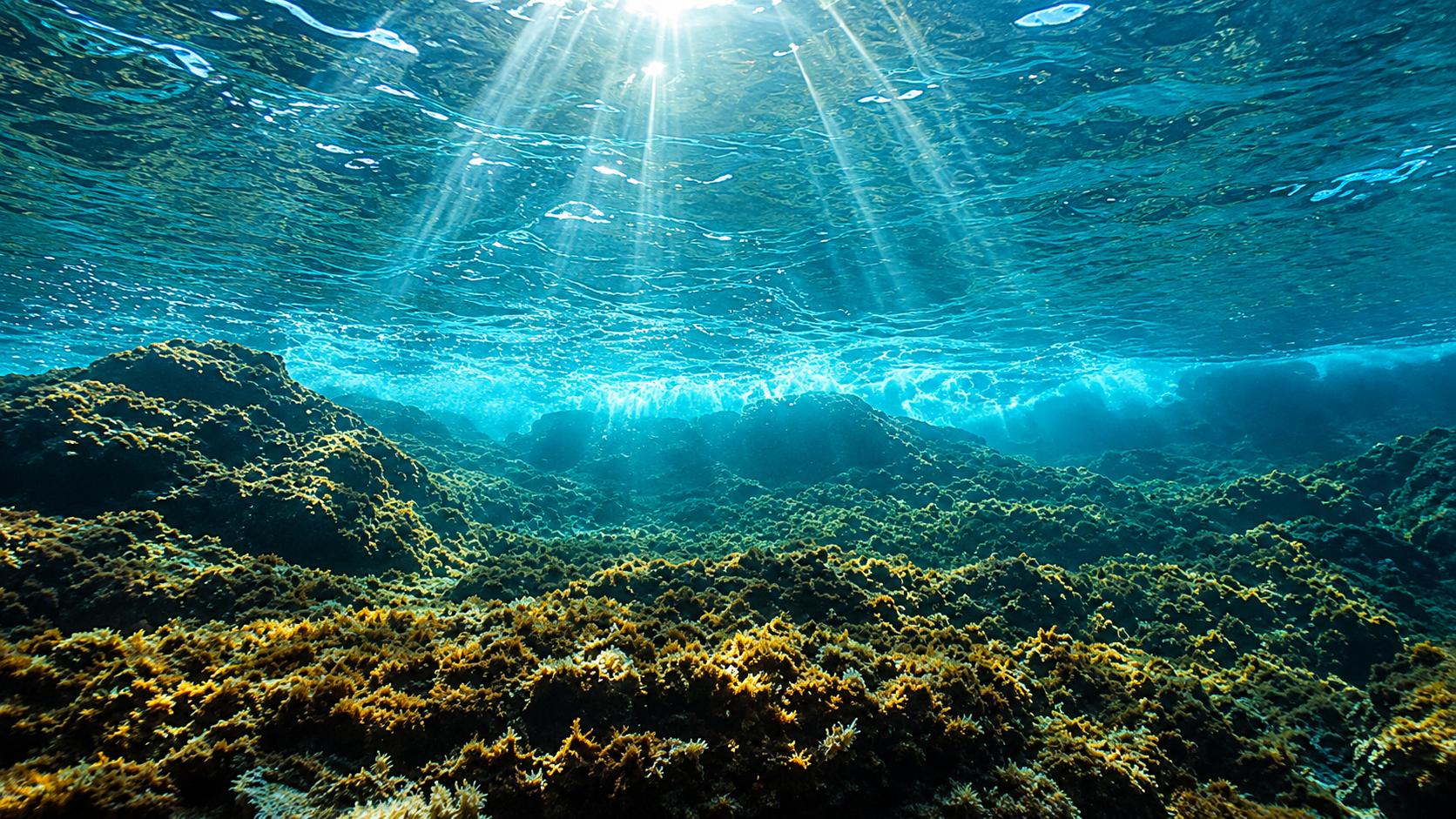
In response to pressing coastal management challenges along its shoreline and within the Gulf of Guinea, Benin has taken a decisive step forward. Through the OPERA (Ocean Prediction Enhancement in Regions of Africa) initiative—a cutting-edge international training program focused on ocean forecasting fundamentals—nearly 1,200 participants worldwide have recently completed a seven-week online course, catapulting Beninese universities and researchers into the spotlight of global maritime research.
Benin drives academic leadership in a world-class maritime program
Coordinated locally by the UNESCO Chair / CIPMA at the University of Abomey-Calavi (UAC), this massive open online course (MOOC) has not only showcased the country’s academic excellence but also highlighted its strategic role in strengthening oceanographic expertise. With 1,162 registered learners from 111 countries, Benin stands out as the most represented nation, underscoring the strong commitment of its educators, students, and environmental managers.
Dr. Frédéric Bonou, researcher and lecturer at UAC, emphasized the program’s practical orientation: « What makes this course exceptional is its hands-on approach. Each module bridges theory and real-world application, directly addressing challenges faced by fishermen, coastal managers, and scientists across Benin. »
Cutting-edge tools to safeguard Benin’s coastline and fisheries
Over 21 hours of interactive learning, participants explored advanced technologies including satellite observation, Argo floats, and high-resolution numerical models. The goal is clear: equip local professionals with actionable skills to tackle immediate environmental and economic priorities:
- Coastal erosion prevention: Enhance early warning systems for waves and tidal patterns to protect fragile shorelines.
- Sustainable fisheries management: Accurately map and predict high-yield fishing zones to support ecological balance and economic viability.
- Maritime safety and pollution control: Strengthen surveillance of Benin’s territorial waters and improve emergency response to environmental threats.
A specially selected group of 500 learners received personalized mentorship, culminating in an academic certification co-delivered by the UNESCO Chair at UAC and the University of Toulouse.
Benin’s strategic alliance with European partners
The initiative’s success stems from a powerful tripartite collaboration between the University of Abomey-Calavi, the Gulf of Guinea Ocean Sciences Summer School (GGOSSS) network, and Mercator Ocean International. This partnership is further strengthened by financial backing from the European Union under the Arc X / Global Gateway program.
By positioning its youth and volunteer researchers from UAC at the heart of this international expert network—connecting scientists from Benin, France, the United States, and Spain—Benin is reaffirming its commitment to leveraging ocean science as a sovereign tool for sustainable development and maritime security.
Comments are closed, but trackbacks and pingbacks are open.