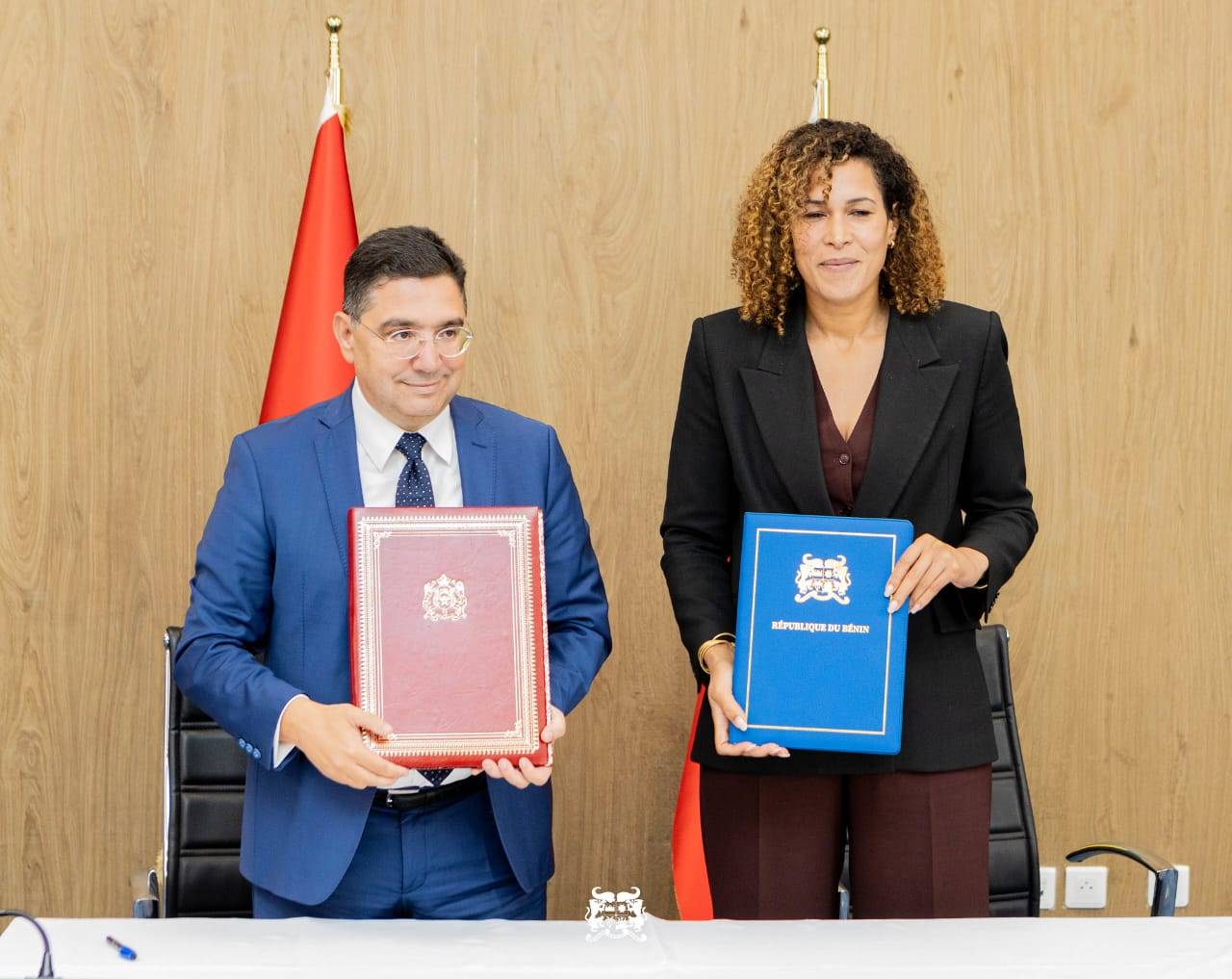
The seventh session of the Benin-Morocco Joint Cooperation Commission, held in Cotonou, marked a historic turning point in bilateral relations between the two nations. Beyond the signing of fourteen strategic agreements, a groundbreaking announcement emerged: the Moroccan government is actively considering lifting visa requirements for ordinary Beninese passport holders. This bold move could redefine economic, academic, and cultural exchanges between West Africa and North Africa.
Diplomatic breakthrough in Cotonou
On July 21, 2026, Cotonou became the epicenter of a renewed partnership as top officials from Benin and Morocco convened for high-level discussions. Nasser Bourita, Morocco’s Minister of Foreign Affairs, African Cooperation, and Moroccans Abroad, unveiled a proposal that has since captured the attention of policymakers and business leaders alike.
The Moroccan delegation expressed readiness to explore the elimination of visa requirements for Beninese citizens traveling with standard passports. While the measure remains pending final approval, its announcement signals a deepening trust and alignment between Rabat and Cotonou. The gesture underscores a shared commitment to fostering regional mobility and economic synergy.
Boosting trade and investment through eased mobility
The potential economic ripple effects of this proposal are substantial. By removing bureaucratic hurdles tied to visa processing, both nations stand to gain significantly. For Beninese and Moroccan entrepreneurs, the elimination of visa constraints translates into reduced transaction costs and accelerated business operations. Small and medium-sized enterprises (SMEs) in Benin will find it easier to access Moroccan markets, particularly in sectors like banking and insurance, where Moroccan investors already hold a strong presence in West Africa. Similarly, Beninese exporters will benefit from a streamlined pathway to North African markets.
The free movement of business professionals acts as the lifeblood of cross-border commerce. Removing visa barriers not only cuts down on administrative expenses but also emboldens entrepreneurs to seize new opportunities across borders.
This initiative builds on Morocco’s earlier 2024 launch of the e-Visa system, which significantly shortened processing times. The proposed exemption would represent the next logical step toward creating a seamless business environment between the two countries.
Educational and cultural exchanges on the rise
The benefits of this diplomatic advancement extend far beyond commerce. Morocco has long been a top destination for Beninese students pursuing higher education or professional training. The elimination of visa requirements will simplify the process of enrollment and long-term stays for young talent, fostering academic collaboration and knowledge transfer.
Tourism and cultural exchanges are also poised for a boost. Easier travel conditions will encourage more business and leisure trips to iconic Moroccan destinations like Marrakech and Fès, as well as renewed interest in Benin’s historic city of Ouidah. Additionally, the measure will facilitate medical tourism and healthcare-related travel, while accelerating the sharing of technical and scientific expertise between institutions in both countries.
Fourteen agreements to solidify a strategic alliance
The visa exemption proposal was not made in isolation. The Joint Cooperation Commission served as a platform for the signing of fourteen comprehensive agreements spanning key sectors such as economy, higher education, culture, investments, and institutional cooperation. These accords set ambitious goals, including:
- Increased scholarship opportunities for Beninese students in Morocco;
- Strengthened mutual protection of investments to encourage cross-border capital flows;
- Collaborative initiatives in creative industries to promote cultural exchange;
- Establishment of robust monitoring mechanisms to ensure swift and effective implementation of all commitments.
Paving the way for continental integration
This initiative aligns perfectly with Morocco’s vision for stronger South-South cooperation and Benin’s ambition to deepen its regional economic integration. By prioritizing the free movement of people and goods, both nations are sending a powerful message about the tangible steps required to build a united Africa.
The African Continental Free Trade Area (AfCFTA) is not just a policy framework—it is built on real, bilateral actions like this. As technical and legal formalities are finalized, the proposed visa exemption promises to transform daily life for citizens of both countries, fostering a new era of connectivity and shared prosperity.