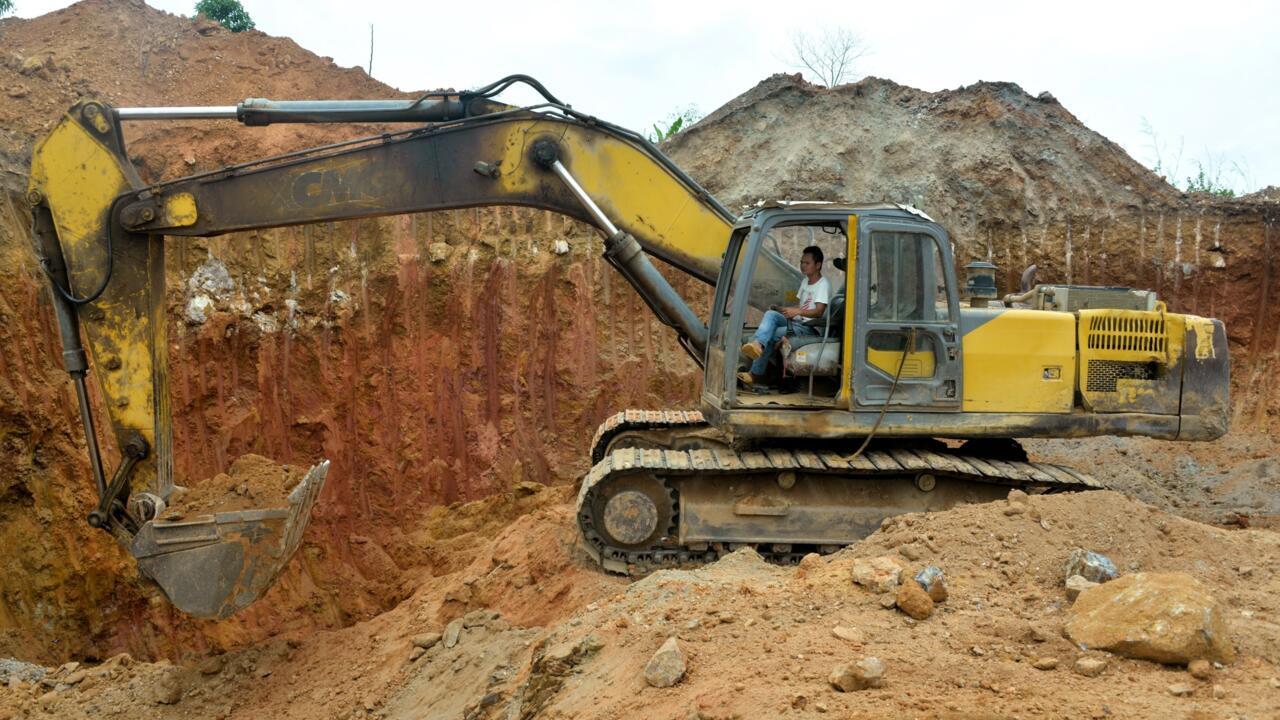
challenges in gold sector governance: calling for national and foreign operators to account
In Cameroon and the Democratic Republic of Congo, efforts to regulate the gold mining sector persist, yet their impact remains minimal. State revenues from gold exports are dwindling, revealing a troubling gap in accountability. This stark reality emerges from the latest report by the Institute for Security Studies (ISS), published this month.
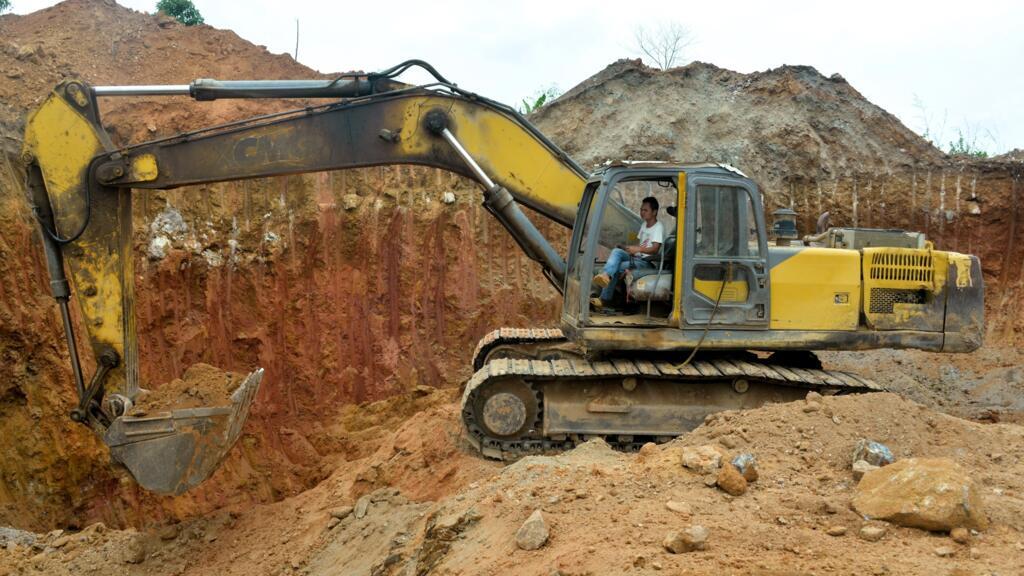
According to the Extractive Industries Transparency Initiative (EITI), Cameroon reported exporting only 22 kilograms of gold in 2023, while importers claimed to have purchased 15 tons. This discrepancy underscores the urgent need for stricter oversight and accountability in the gold mining industry. Professor Aïcha Pemboura, a researcher at the ISS’s Observatory on Organized Crime and Violence in Central Africa, addresses these critical issues in today’s discussion.
accountability gaps in gold mining operations
The report highlights that both national and foreign operators in Cameroon and the DRC are failing to comply with transparency standards. The lack of proper documentation and revenue tracking has led to significant financial losses for these countries. Without robust mechanisms to ensure that profits from gold mining are properly documented and taxed, the economic benefits for local communities remain minimal.
the role of transparency initiatives
Initiatives like the EITI aim to promote transparency and accountability in resource-rich nations. However, the current enforcement of these standards appears insufficient. The ISS report calls for immediate reforms to bridge the gap between reported exports and actual transactions, ensuring that all stakeholders—local and international—are held accountable for their operations.
calling for systemic change
The conversation with Professor Pemboura emphasizes the need for systemic change in how gold mining is regulated and monitored. Strengthening legal frameworks, enhancing monitoring mechanisms, and fostering collaboration between governments and international bodies are critical steps toward addressing the current challenges. Without these measures, the potential of the gold mining sector to contribute meaningfully to economic development will continue to be undermined by corruption and lack of transparency.