On a vibrant Friday morning at the Sofitel Cotonou Marina Hotel & Spa, the official launch of the Country Partnership Framework (CPF) 2026-2036 unfolded, marking a new chapter in Benin’s economic trajectory. This decade-long strategic agreement between the Beninese government and the World Bank Group signals a bold commitment to redefine the nation’s socio-economic landscape through three transformative pillars: human capital development, productive infrastructure, and youth employment. Aligned with the forward-looking vision of Alafia Bénin 2060, the framework charts a bold course toward sustainable growth and shared prosperity.
Strategic renewal: a decade-long commitment to progress
The Sofitel’s elegant halls buzzed with anticipation as government officials, international diplomats, and private sector leaders gathered to witness the birth of a landmark partnership. More than a routine update, the CPF 2026-2036 represents a comprehensive overhaul of Benin’s financial and technical collaboration with the World Bank, designed to propel the country into a new era of stability and prosperity.
This historic moment coincides with a pivotal phase in Benin’s political and economic evolution. Guided by the long-term vision of Alafia Bénin 2060, the government is doubling down on macroeconomic gains while accelerating inclusive growth. The presence of Anna Bjerde, Managing Director of Operations at the World Bank Group, underscored the international community’s renewed confidence in Benin’s structural reforms and visionary leadership.
Fueling economic transformation through targeted investments
The CPF’s core ambition is to do more than sustain GDP growth—it aims to overhaul Benin’s economic fabric, making it more competitive, resilient, and equitable. By securing a decade of stable financing, the World Bank empowers Benin to execute large-scale infrastructure projects without compromising fiscal balance. This influx of capital and expertise is engineered to ignite private investment, both domestic and foreign, creating a self-sustaining cycle of growth.
Three pillars to drive structural change
The partnership’s transformative power lies in its strategic focus on three interconnected pillars:
- Building a skilled workforce: Economic expansion demands a healthy, well-trained population. The first pillar tackles nutrition, public health, and vocational training reforms head-on, ensuring that education aligns with the evolving demands of the labor market. The goal is to equip Beninese youth with the skills needed to thrive in emerging industries.
- Modernizing critical infrastructure: Inadequate infrastructure remains a bottleneck for local businesses. The CPF allocates substantial investments to energy, digital connectivity, and transportation networks. By improving the flow of goods from agricultural hubs to urban centers and the Port of Cotonou, Benin seeks to slash logistics costs and boost export competitiveness.
- Empowering the private sector: Small and medium enterprises (SMEs) are positioned as the engine of job creation. The framework supports reforms to streamline business regulations, expand access to credit for entrepreneurs, and promote youth and women-led ventures.
Youth employment: the litmus test of success
At the heart of this ambitious plan lies a pressing national challenge—and opportunity: integrating Benin’s burgeoning youth population into the workforce. With a majority of its citizens under 30, Benin faces a dual imperative: addressing youth unemployment while harnessing their potential as a demographic dividend.
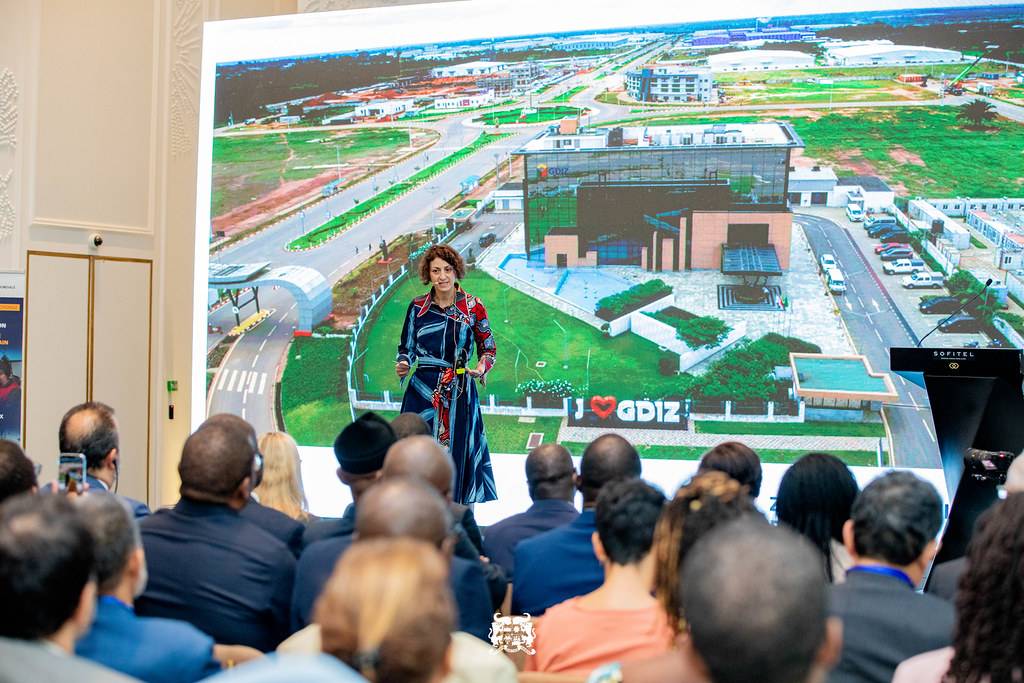
Aristide Medenou, Minister of Economy, Finance, and Cooperation, emphasized the urgency of this mission during the launch. The CPF 2026-2036 is poised to serve as a catalyst for opportunity, prioritizing high-value agricultural value chains and agro-industry—sectors capable of absorbing young talent and curbing rural exodus. By aligning World Bank technical assistance with national industrialization priorities, such as the Glo-Djigbé Industrial Zone, the framework ensures that new jobs are not just temporary but rooted in sustainable economic growth.
Resilience and stability: cornerstones of inclusive growth
A thriving economy cannot stand on shaky foundations. The CPF embeds resilience and stability into every initiative, aligning with the National Resilience and Prevention Program. In a West African region grappling with security threats and climate vulnerabilities, Benin is prioritizing territorial cohesion by directing investments to peripheral and northern regions.
By delivering essential services—clean water, electricity, and rural roads—and creating employment opportunities in these areas, the program aims to dismantle the root causes of social instability. This balanced development strategy seeks to reduce regional disparities and fortify national unity, ensuring that prosperity reaches every corner of the country.
A global endorsement of Benin’s vision
Anna Bjerde praised the strategic foresight of Benin’s leadership, highlighting the government’s commitment to translating macroeconomic principles into tangible benefits for entrepreneurs, farmers, and families. Her remarks reinforced Benin’s reputation as a reform-driven model within Bretton Woods institutions, signaling the World Bank’s long-term partnership and willingness to adapt financing mechanisms to local realities.
Charting a path to emergence by 2036
The CPF 2026-2036 lays the groundwork for a transformative decade, merging human capital development, infrastructure upgrades, and private sector growth into a cohesive economic strategy. Success hinges on flawless execution, robust project governance, and the ability of public institutions and local businesses to absorb and maximize these investments.
If Cotonou’s commitments materialize across Benin’s towns and villages, the country could emerge as a beacon of inclusive economic transformation in West Africa—a model of progress driven by vision, collaboration, and resilience.