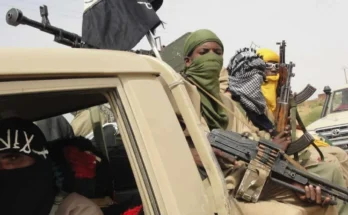
In a groundbreaking investigation, researcher Antonia Juelich has exposed how Boko Haram, one of Africa’s most notorious militant groups, is integrating artificial intelligence into its military strategies. Operating in Nigeria’s northern regions for over two decades, the group has been linked to countless atrocities and war crimes. Now, evidence reveals its systematic adoption of AI-driven decision-making processes.
While AI continues to reshape modern life, its military applications are being harnessed by extremist factions. Juelich’s research uncovers how Boko Haram militants are trained in AI tools to enhance operational efficiency. Unlike traditional warfare, these insurgents now rely on algorithm-powered insights to refine their tactics, a shift that signals a disturbing evolution in asymmetric conflict tactics.
From ideology to innovation: how AI fuels Boko Haram’s war machine
Training sessions for Boko Haram operatives reportedly include slide presentations and live demonstrations on AI-powered tools. Through these sessions, militants claim to have unlocked foreign weapons caches by following AI-generated cleaning protocols involving diesel. Additionally, advanced AI systems like ChatGPT, Grok, and Gemini have allegedly instructed them in manufacturing more potent explosives, elevating their combat capabilities.
The group’s technical sophistication doesn’t end there. Fighters have reportedly used AI to master high-risk maneuvers, such as navigating motorcycles across trenches—a tactic straight out of an action movie—to infiltrate military installations in Nigeria. This blend of religious extremism and cutting-edge technology underscores a dangerous new chapter in modern insurgency.
Propaganda remains a cornerstone of Boko Haram’s operations, but AI has now become a core operational asset. The group’s slogan, “Allah has helped us; AI will help us too,” reflects its growing faith in technology as a force multiplier in its asymmetric warfare campaigns.