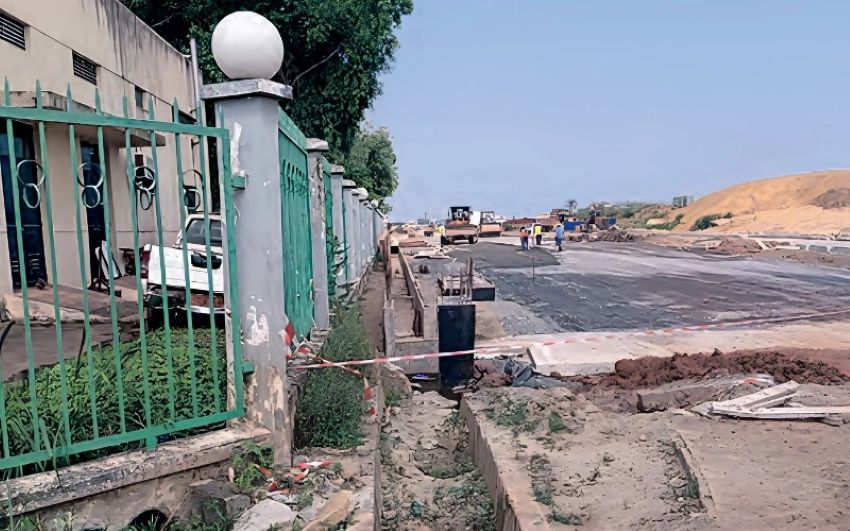
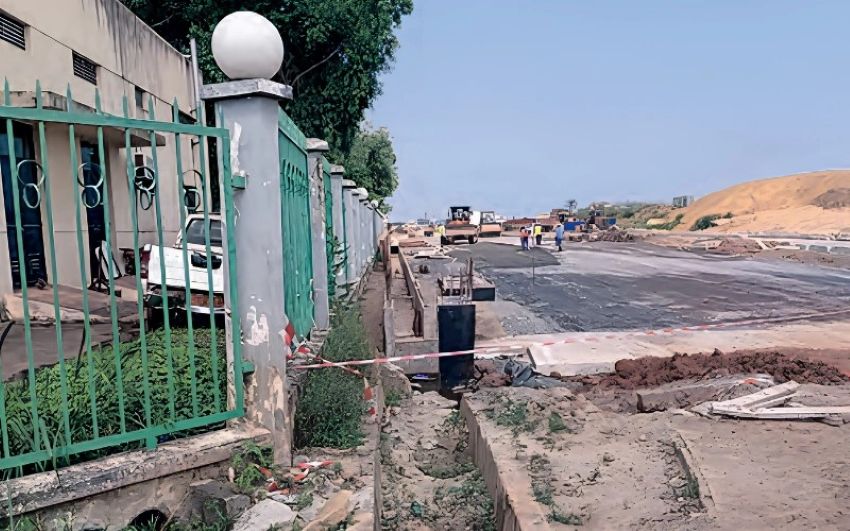
Libreville, Wednesday, August 26, 2026 – In Gabon’s capital, Libreville, the ambitious Boulevard de la Transition project is advancing on two distinct fronts. While construction crews on the ground are pressed to accelerate progress, aiming to deliver initial sections and overcome delays, a parallel and far more sensitive endeavor is unfolding within state offices: the rigorous tracking of public funds.
A recent investigation, made public on August 23, revealed a significant financial discrepancy. A technical and financial review of the project contract allegedly showed its initial value escalating from 8 billion to 16 billion CFA francs. Furthermore, approximately 3 billion CFA francs were reportedly disbursed to a foreign operator identified as Goran. These revelations, which await confirmation by judicial authorities, have placed this landmark construction project at the heart of serious questions regarding the management of Gabon public procurement.
The issue carries particular weight given that the Boulevard de la Transition is one of Libreville’s crucial modernization initiatives. Spanning roughly three kilometers, this thoroughfare is designed to alleviate traffic congestion in the capital and forms part of a broader urban development plan, including a future administrative city. The project was already marked as a governmental priority for 2026.
Originally envisioned as a symbol of urban transformation, the project now faces a more fundamental challenge for a state aiming to project a new culture of governance. How could a public contract double in value, and what procedures facilitated the disbursements that are now under scrutiny?
The financial file now in the hands of justice
Information gathered from the Taskforce responsible for the control, audit, and verification of state participations and debt indicates that about 3 billion CFA francs were allegedly paid to the operator Goran without the requisite prior bank guarantee. This individual was reportedly questioned by the B2 (Gabonese intelligence services), where he admitted to
Comments are closed, but trackbacks and pingbacks are open.