Senegal’s political landscape has reached a critical turning point as opposition leaders accuse the Speaker of the National Assembly of weaponizing administrative procedures to stifle dissent. In a decisive move, Ousmane Sonko, President of the National Assembly, has reportedly refused to sign off on parliamentary mission orders, effectively blocking lawmakers from traveling abroad on official business.
Political tensions escalate at Senegal’s national assembly
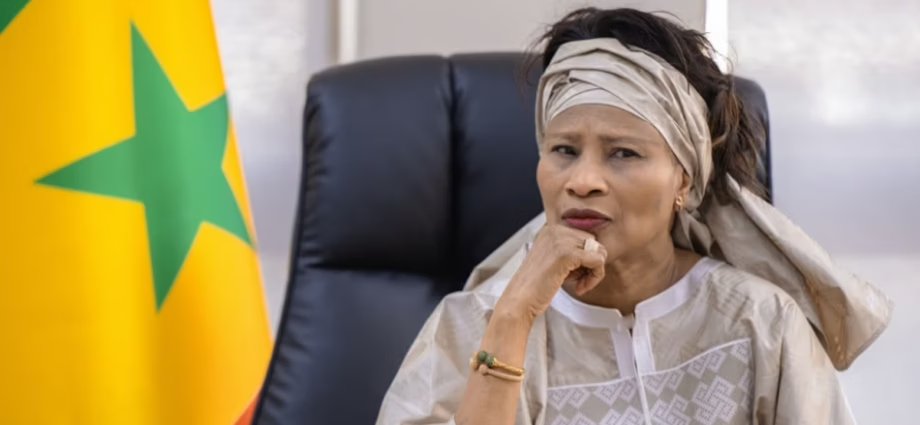
During a high-stakes press conference at the headquarters of the African Patriots for Renaissance Party (APR) on November 5, 2026, Me Aïssata Tall Sall, leader of the parliamentary group Takku Wallu Senegal, delivered a sharp rebuke. She revealed that Sonko had denied signing mission orders for opposition deputies, preventing them from fulfilling their legislative duties. The refusal, she argued, represents a deliberate obstruction strategy rather than an administrative oversight.
Me Aïssata Tall Sall, a former Minister of Justice, framed the incident as a hypocritical reversal of power dynamics. ‘This administration is replicating the very tactics it once condemned while in opposition,’ she stated. ‘No political disagreement, no personal vendetta should ever justify blocking the nation’s budget or disrupting the functioning of its institutions.’
Democracy under pressure: protecting Senegal’s public funds
The opposition leader emphasized that parliamentary missions are essential to oversight, transparency, and constituent representation. ‘The national budget belongs to the people of Senegal. It must fund services that benefit them—not be held hostage to political squabbles,’ she asserted. Her warning comes amid growing concerns over the misuse of state resources for partisan purposes.
Me Aïssata Tall Sall outlined her group’s strategy to counter what she described as an erosion of democratic norms. ‘We will remain steadfast in our principles—rational, responsible, and rooted in the public interest,’ she declared. ‘No one will divert us from our mission of accountability.’
What’s behind the block on parliamentary travel?
While the official reasons for Sonko’s refusal remain unconfirmed, political analysts suggest the move may be tied to broader tensions between the ruling coalition and opposition blocs. The denial of mission orders—typically routine administrative approvals—could signal a hardening stance in an already polarized environment.
Opposition groups have vowed to escalate scrutiny over public spending, demanding clarity on how state funds are allocated. ‘We call for full transparency,’ Me Aïssata Tall Sall insisted. ‘Citizens deserve a parliament that operates openly and a government that prioritizes national interest over political games.’
Consequences for Senegal’s democratic future
As Senegal navigates this pivotal moment, the standoff at the National Assembly raises pressing questions about institutional resilience. Will parliamentary procedures continue to be politicized? And how will the government respond to calls for greater accountability?
Me Aïssata Tall Sall concluded with a call to action: ‘The integrity of our democracy depends on it. We cannot allow personal or partisan agendas to undermine the functioning of our democracy or the welfare of our people.’
Comments are closed, but trackbacks and pingbacks are open.