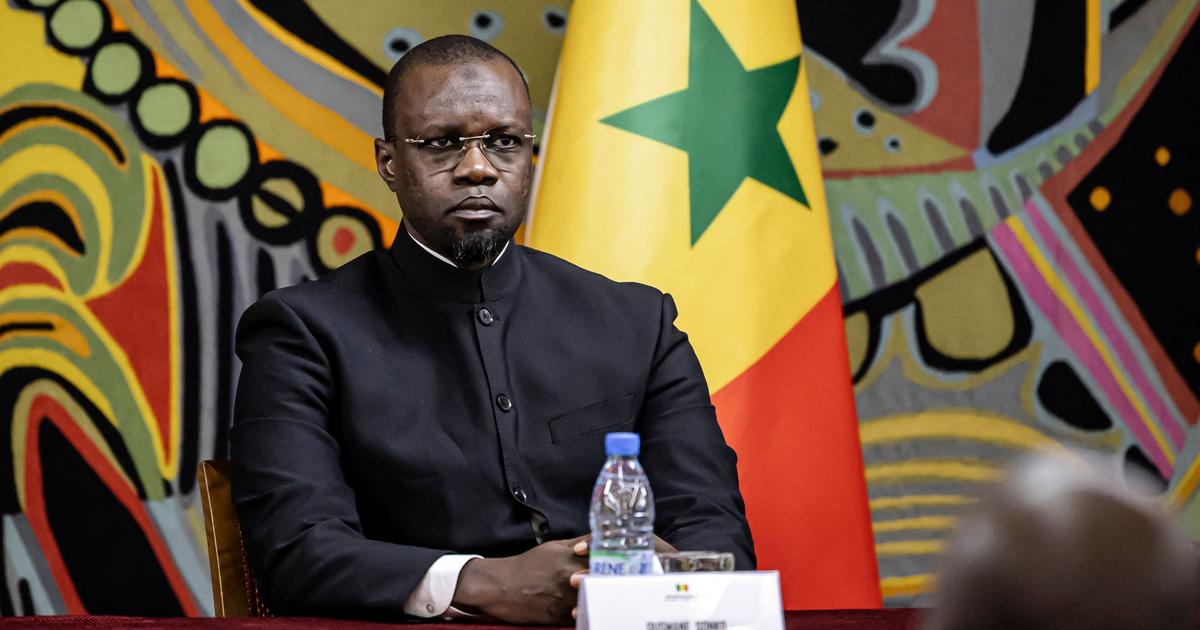
Senegal’s political landscape has been thrown into turmoil following President Bassirou Diomaye Faye’s decision to terminate the mandate of Prime Minister Ousmane Sonko via a presidential decree issued late Friday, May 22. The move, described by insiders as a “political earthquake”, caps months of simmering tensions within the executive branch, marked by power struggles and unresolved disagreements.
Just hours before the dismissal, Ousmane Sonko, a charismatic leader whose influence resonates deeply among Senegal’s youth, publicly challenged the authority of the head of state during a heated parliamentary session. Speaking before lawmakers, he asserted his independence, declaring that a Prime Minister “acts on his own judgment without seeking permission”—a statement that underscored the growing rift between the two leaders.
Sonko’s political journey has been closely watched in recent years. Banned from contesting the 2024 presidential election, he strategically backed Bassirou Diomaye Faye, who went on to win the presidency. The decision to remove Sonko now raises questions about the future direction of Senegal’s government and the stability of its leadership.
United States tightens immigration rules for green card applicants
A sweeping change in U.S. immigration policy has taken effect, requiring all green card applicants—including legal residents—to return to their home countries to complete the application process. Previously, individuals holding temporary visas could adjust their status from within the U.S., allowing them to remain in the country while their cases were reviewed.
The new directive, issued by U.S. Citizenship and Immigration Services (USCIS), eliminates this pathway, forcing thousands of lawful immigrants—including spouses of American citizens—to leave their homes, jobs, and families for weeks or months. Critics have condemned the policy as “cruel and nonsensical”, warning it will disrupt lives and delay family reunifications.
Tulsi Gabbard resigns as U.S. intelligence chief
Tulsi Gabbard, Director of National Intelligence and a vocal advocate for a more measured foreign policy, announced her resignation on Friday, citing her husband’s battle with a rare bone cancer. Her departure, effective June 30, brings an end to a tumultuous tenure overseeing 18 U.S. intelligence agencies.
During her time in office, Gabbard found herself sidelined from major national security decisions, including military operations in Iran and Venezuela. Her resignation reflects both personal priorities and the challenges of navigating a politically charged intelligence landscape.
EU and Mexico expand trade partnership amid global protectionist pressures
In a bold statement supporting free trade, the European Union and Mexico have significantly upgraded their commercial agreement, which has been in place since 2000. Leaders from both blocs—Claudia Sheinbaum, Ursula von der Leyen, and António Costa—announced the revised deal, which dismantles tariffs on nearly all Mexican food exports to Europe.
The expanded accord also strengthens cooperation in security, migration management, clean energy, and digital trade, sending a clear signal in an era of rising protectionism. EU officials emphasized the agreement’s role in “reinforcing open and rules-based trade” between partners.
New hantavirus case confirmed on cruise ship MV Hondius
A fresh case of hantavirus has been identified aboard the MV Hondius, bringing the total number of infections to twelve. The latest patient, a crew member, disembarked in Tenerife before being transferred to the Netherlands for treatment.
According to the World Health Organization, the death toll remains unchanged at three, with no new fatalities reported since May 2. The outbreak, first reported to WHO on May 2, continues to raise concerns about public health protocols in international maritime travel.