Nationalist symbolism struggles to mask deepening security crisis
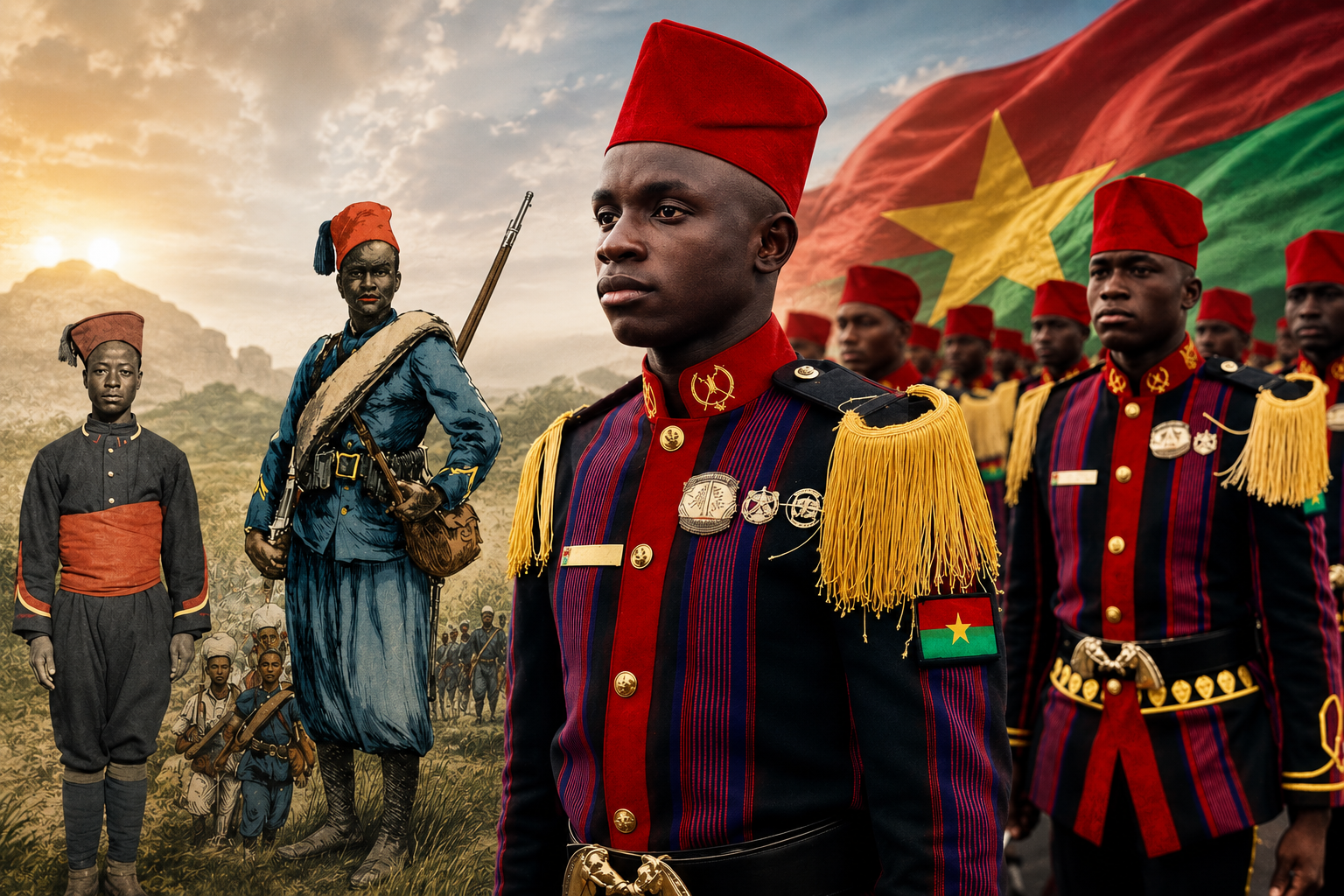
The line between political posturing and ground-level reality in Burkina Faso appears increasingly blurred. The military junta’s recent decision to introduce a “memory attire” for commemorating key decolonization milestones serves as a stark example. Marketed as a hallmark of restored sovereignty and national pride, the initiative aligns with a broader strategy of promoting indigenous identity markers. Yet it simultaneously thrusts into sharp relief a critical question: In the face of an unprecedented security crisis, what should a nation’s priorities be?
The gamble on sovereign nationalism
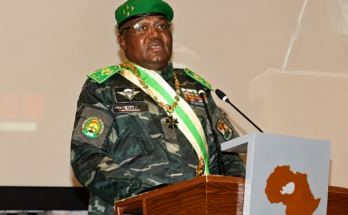
To dismiss the political capital still enjoyed by Captain Ibrahim Traoré among a significant segment of Burkina Faso’s population and certain West African opinion currents would be shortsighted. By breaking away from international cooperation norms and adopting a resolutely anti-imperialist stance, the transitional leader has tapped into widespread frustration born of decades of ineffective counterterrorism efforts.
This sovereignist rhetoric resonates deeply with citizens who believe traditional security approaches have failed to restore peace. In response, the government has escalated symbolic gestures: elevating Faso Dan Fani to official dress code, promoting national languages, rehabilitating historical resistance figures, and now introducing “memory attire.” For regime supporters, these measures contribute to rebuilding a national identity long weakened by external and internal pressures.
The expansion of the Volontaires pour la Défense de la Patrie (VDP) volunteer force further illustrates this strategy of mobilizing civilians in national defense efforts. The stated goal is to reduce reliance on foreign partners and develop indigenous defense capabilities capable of addressing threats sustainably.
A security reality still spiraling out of control
Yet symbols, however potent, cannot substitute for tangible results. Nearly four years after the military assumed power, the security crisis persists unabated.
Large swathes of the country remain beyond state control. In numerous provinces, armed groups continue launching attacks on defense forces, civilian auxiliaries, and local populations. Road ambushes, village raids, infrastructure sabotage, and kidnappings perpetuate a chronic climate of insecurity.
The humanitarian toll remains staggering. Hundreds of thousands remain internally displaced, while many communities live under constant threat from armed factions. Access to healthcare, education, markets, and administrative services remains severely disrupted across multiple regions. Supply chain disruptions exacerbate household economic precarity, particularly in rural zones.
Compounding these challenges is the considerable economic burden. A significant portion of public funds now flows to military expenditures, even as healthcare, education, infrastructure, and development needs cry out for attention. Agricultural slowdowns, closures of artisanal mining operations, and goods transit difficulties further strain national growth.
The growing chasm between rhetoric and reality
The divergence between official narrative and citizen expectations grows more pronounced daily. While authorities emphasize symbols of recovered sovereignty, many citizens demand concrete solutions: enhanced security, reopened roadways, restored public services in abandoned zones, and the ability for displaced persons to return home.
Sovereignty cannot be measured solely through symbols, ceremonies, or wardrobe changes. It is demonstrated through the state’s capacity to exert authority across its territory, ensure free movement, protect civilians, and fulfill core public functions.
Patriotic mobilization speeches may bolster national cohesion, but they struggle to convince when citizens continue facing daily violence. As the conflict persists, the risk grows of an ever-widening gap between regime ambitions and rural realities.
The true test of Burkina Faso’s transition
Burkina Faso stands at one of the most critical junctures in its modern history. Restoring security is not merely desirable—it is the indispensable foundation for any political, economic, or social reconstruction. Without tangible improvement on this front, even the most resonant symbolic initiatives risk losing their mobilizing power over time.
The historical verdict on this military-led transition will hinge less on the resonance of its slogans or the proliferation of sovereignist symbols, and more on its capacity to restore state authority, reclaim lost territories, protect populations durably, and create conditions for a return to normalcy. True sovereignty is not proclaimed—it is proven through the ability of a state to guarantee security, stability, and a future for its people.