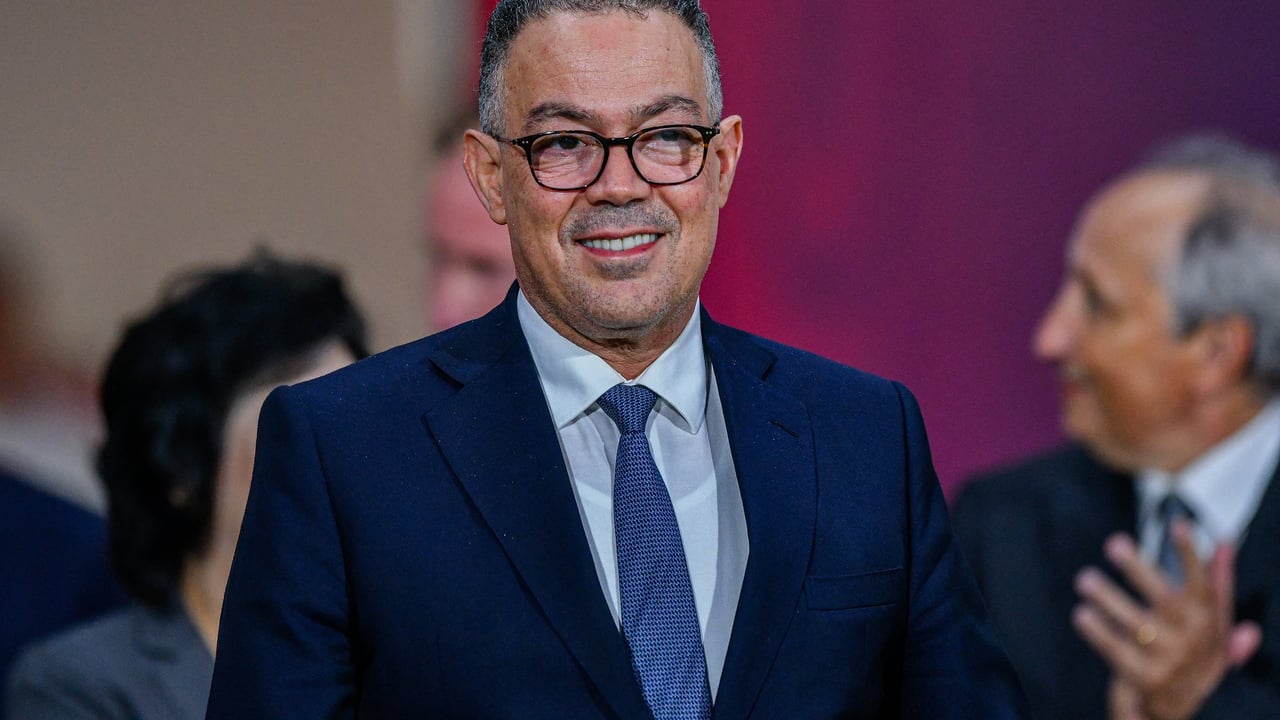

In a move that has sent ripples through Morocco’s political landscape, Fouzi Lekjaâ, a prominent figure in the country’s football administration, has been named to a key position at the United Nations World Food Programme (WFP). This unexpected appointment has injected fresh energy into the ongoing electoral campaign, reshaping strategic calculations for multiple political factions.
The decision to appoint Lekjaâ, who previously served as president of the Royal Moroccan Football Federation (FRMF), has raised eyebrows across the spectrum. While some view it as a calculated political maneuver, others see it as a bold gamble with potential to sway voter sentiment in unexpected ways.
How Fouzi Lekjaâ’s UN role could redefine Morocco’s election dynamics
Lekjaâ’s new role at the WFP places him at the intersection of international diplomacy and domestic politics. His visibility on the global stage—particularly following Morocco’s successful hosting of the U17 FIFA Women’s World Cup in 2025—has already positioned him as a recognizable figure beyond sports circles. This new appointment could amplify his influence, potentially drawing attention to issues of food security and sustainable development in the lead-up to the elections.
Political analysts suggest that Lekjaâ’s appointment might serve as a strategic distraction or even a unifying figure in an otherwise fragmented political environment. His profile could appeal to voters disillusioned with traditional parties, offering an alternative narrative centered on competence and international credibility.
Reactions from Morocco’s political arena
The announcement has sparked a wave of reactions from Morocco’s political class. Some parties have expressed cautious optimism, seeing in Lekjaâ a potential bridge between different factions. Others remain skeptical, questioning whether his appointment is purely merit-based or politically motivated.
Opposition figures have been quick to highlight Lekjaâ’s lack of direct political experience, arguing that his sudden prominence in national affairs could undermine the electoral process. Meanwhile, supporters point to his proven leadership in football administration as evidence of his ability to drive progress in complex institutions.
The timing of the appointment—just months before the elections—has further fueled speculation. Some analysts believe it could be a deliberate strategy to shift public focus toward governance and development, while others see it as a calculated move to strengthen a particular political camp.
What’s next for Morocco’s electoral race?
As the campaign intensifies, all eyes are on how Lekjaâ’s role will evolve. Will his appointment fade into the background, or will it become a defining factor in the elections? The coming weeks will reveal whether this move reshapes Morocco’s political landscape or remains a footnote in an already dynamic race.
One thing is certain: the unexpected rise of Fouzi Lekjaâ has added a new layer of complexity to an election that was already shaping up to be one of Morocco’s most unpredictable in recent years.