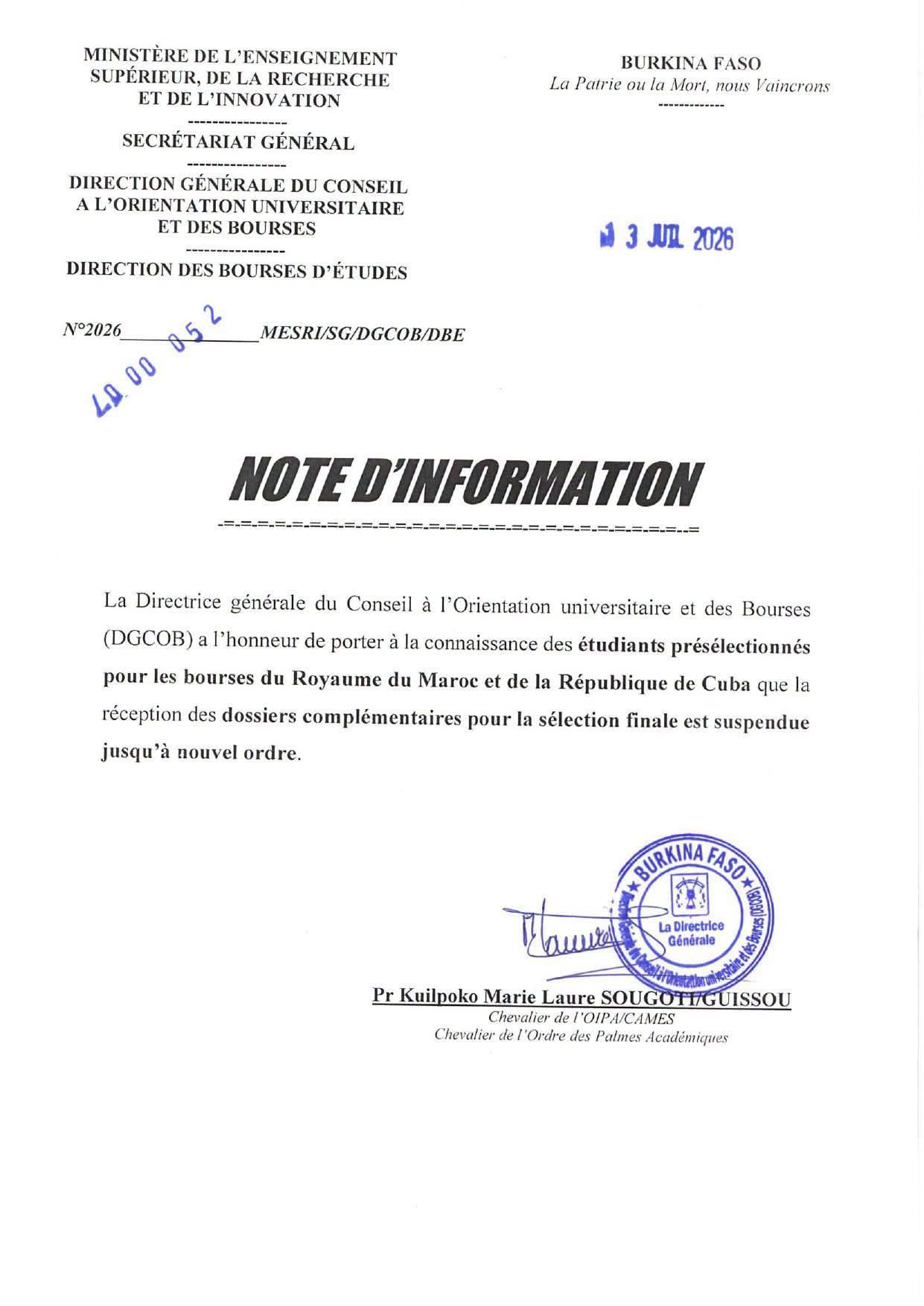
The abrupt and unilateral termination of scholarships for Burkinabè students heading to Morocco has sent shockwaves through academic circles, exposing what many describe as Ibrahim Traoré’s increasingly authoritarian tendencies. Critics argue that this regressive move, designed to stifle educational excellence, will devastate the prospects of a generation already suffocating under military rule that views global exposure and intellectual growth as existential threats.
An assault on academic mobility
For years, international scholarship programs enabled Burkinabè students to pursue elite education abroad, later returning to contribute to national development as doctors, engineers, and researchers. By severing these pathways, the military junta is not merely cutting funding—it is systematically dismantling the country’s intellectual capital. The message is unmistakable: under Traoré’s regime, independent thought and world-class education are treated as subversive forces that must be contained.
A nation choking on repression
The scholarship freeze arrives amid a perfect storm of crises—rising insecurity, economic collapse, and diplomatic isolation. For countless families, these opportunities were the only ladder out of poverty. Now, the regime’s decision to shutter them reveals a callous disregard for social realities, prioritizing absolute control over the nation’s future. The message to the youth is clear: ambition is not just discouraged—it is actively criminalized.
Isolation as a tool of domination
Opposition voices condemn the move as a deliberate strategy to suffocate Burkina Faso’s intellectual elite. By severing ties with long-standing partners like Morocco, the regime is not merely reducing mobility; it is forging a prison of ideas. The suppression of academic freedom mirrors broader patterns of authoritarian governance, where sovereignty is measured not by the strength of a nation’s people, but by the iron grip of its rulers.
The consequences are immediate and far-reaching. Vital sectors will hemorrhage talent as skilled professionals either flee or abandon their disciplines. Research, innovation, and technical expertise—all casualties of a regime that sees independent minds as threats rather than assets. The long-term damage to Burkina Faso’s global standing is incalculable, leaving its youth with two bleak choices: submission or exile.
Conclusion: A generation abandoned
The scholarship cuts are more than a policy failure—they are a declaration of war on the nation’s future. By extinguishing hope, Traoré’s regime ensures that Burkina Faso’s brightest will either abandon their ambitions or leave entirely. The question is no longer whether the country can recover from this assault on its human capital, but whether there will be anything left to salvage when the dust settles.
Comments are closed, but trackbacks and pingbacks are open.