The gap between political promises and overcrowded lecture halls in Burkina Faso
Burkina Faso’s public universities are grappling with severe overcrowding, inadequate infrastructure, and limited access to courses, starkly contrasting with official declarations of educational transformation. For many students returning home after graduating high school, the reality of university life fails to match the government’s optimistic vision.
Why students’ expectations clash with university realities
After completing their baccalaureate, many young Burkinabè choose to pursue higher education domestically, driven by patriotism or trust in national development promises. Official communications have repeatedly framed universities as modern, well-equipped, and capable of accommodating surging student numbers. However, students on the ground describe a different experience.
Overcrowded lecture halls, limited classroom access, and insufficient teaching staff have become persistent complaints, raising doubts about the credibility of government announcements. The issue extends beyond the mere existence of university buildings it revolves around their capacity, functionality, and the supporting resources needed for quality education.
Official figures expose the severity of the crisis
Government data from mid-2023 paints a grim picture of the country’s higher education landscape. With just under 190,000 students enrolled, public universities could only accommodate less than 90,000, according to the minister of higher education at the time. The student-to-teacher ratio stood at 109:1, far exceeding the recommended 25:1 standard.
The document also highlighted systemic weaknesses: lack of infrastructure, academic governance failures, delayed academic calendars, and unreliable internet connectivity. These challenges underscore that infrastructure alone cannot solve the crisis effective teaching requires adequate spaces, qualified educators, and operational systems.
The emotional toll on returning students
For those who heeded calls to return home for university, the experience has often been one of disillusionment. While some may have acted on patriotic motivations rather than government rhetoric, the mismatch between promises and reality has left many questioning the transparency of official updates. Students do not demand empty speeches they need functional classrooms, accessible courses, and competent instructors to fulfill their academic ambitions.
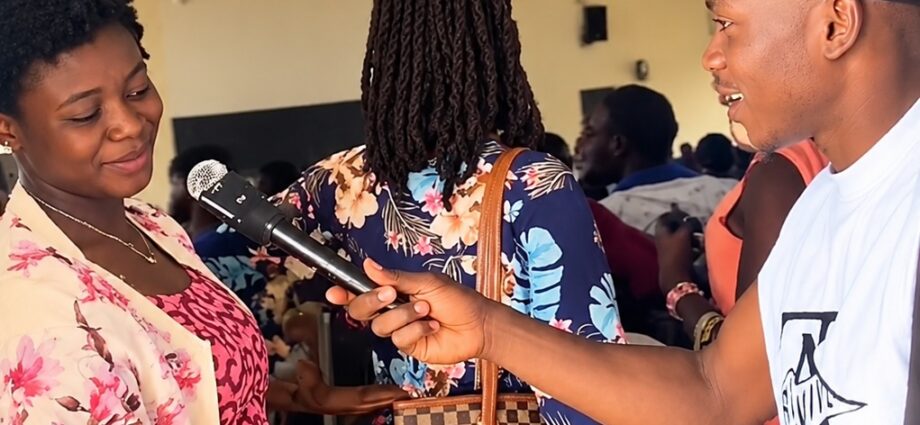
Voices from campus: a firsthand account of the crisis
Overcrowded halls: Classes are often held in packed amphitheaters where hundreds of students struggle to find seating, forcing some to stand or attend sessions outside.
Delayed schedules: Academic calendars are frequently disrupted, pushing exams into uncertain timelines and extending study durations.
Limited resources: Access to computers, libraries, and research materials remains severely restricted, handicapping students’ ability to learn.
Government transparency: the missing link in restoring credibility
Public declarations about modernized universities risk being perceived as political rhetoric if not backed by verifiable data. Key questions remain unanswered:
How many universities have truly expanded capacities?
Are the announced classroom upgrades fully operational?
What concrete steps are being taken to improve teacher-student ratios?
How will the government address recurring delays in academic calendars?
Without transparent reporting on progress, the disconnect between official narratives and ground realities continues to erode public trust. Credibility hinges on acknowledging challenges and presenting realistic solutions not just showcasing completed projects.
From slogans to solutions: redefining higher education priorities
Burkina Faso’s future depends on a well-educated generation. The government must prioritize tangible improvements in university infrastructure, faculty expansion, and administrative efficiency. Empty promises will only deepen skepticism among a youth that expects action over words.
True progress will be measured not by the volume of announcements but by the availability of lecture halls, the sufficiency of teaching staff, and the quality of the learning experience. Until these fundamentals are addressed, the dream of a transformed higher education system will remain out of reach for thousands of students.
By Alasane OUEDRAOGO — Journalist
Comments are closed, but trackbacks and pingbacks are open.