An abrupt end to livelihoods
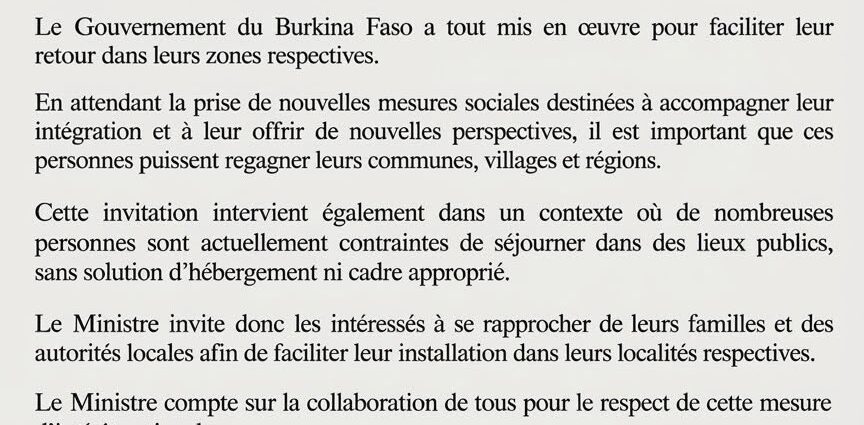
Thousands of Burkinabè gold miners expelled from Guinea now confront a harsh economic reality: how to rebuild their lives after losing their primary source of income. Despite government rhetoric on economic sovereignty and self-reliance, concrete solutions for their professional reintegration remain elusive. Instead of a structured recovery plan with clear funding and measurable goals, authorities have urged them to return to their villages a stopgap measure that does little to address long-term unemployment.
From gold mining to precarious uncertainty
These miners did not leave Burkina Faso for adventure; many relied on artisanal gold mining as their sole means of supporting their families. Their expulsion from Guinea has not only displaced them geographically but also severed their economic lifeline. The absence of alternative employment opportunities or financial resources further deepens their vulnerability. Can these returnees secure stable jobs? Will they have access to capital to restart their livelihoods? The answers remain unclear.
A hollow promise of economic sovereignty
The government’s emphasis on resource control and national sovereignty rings hollow when thousands of citizens face unemployment upon return. Sovereignty, in this context, should extend beyond industrial mining or denunciations of foreign interference it must translate into tangible economic opportunities for the population. Yet, the current situation underscores a gaping disparity between political declarations and practical support.
The limitations of proposed alternatives
Officials have suggested agriculture, livestock, craftsmanship, and vocational training as potential solutions. However, these suggestions lack feasibility without adequate funding, land access, technical support, and market access. For instance:
Switching from gold mining to farming requires arable land, seeds, and commercial networks.
Livestock rearing demands veterinary care, infrastructure, and sustainable financing.
Artisanal trades require tools, skills, and a viable customer base.
Without addressing these prerequisites, such proposals risk becoming empty directives rather than actionable solutions.
The financial barrier to recovery
Many returnees have exhausted their savings to fund their return, leaving them with little capital to start anew. A viable reintegration program must include startup funds, microcredit access, and public guarantees. Differentiated support is essential experienced farmers must be separated from those with no agricultural background. Without such measures, the recommended transitions risk becoming unrealistic expectations rather than structured paths to recovery.
A mining policy that must include the informal sector
The government’s push for mineral sovereignty cannot overlook the artisanal miners who once fueled local economies. A sustainable policy should:
Establish regulated artisanal mining sites with improved safety standards.
Facilitate the creation of functional cooperatives with proper equipment and funding.
Develop official gold-buying channels to combat informal trade.
Such steps would not only provide viable economic alternatives but also mitigate the risks of clandestine operations and environmental degradation.
The test of leadership for Ibrahim Traoré
This crisis exposes the government’s ability or inability to deliver on its promises. While condemning the expulsions may be justified, the true measure of governance lies in preparing for citizens’ futures. Concrete questions demand answers:
How many returnees will secure stable employment in the coming months?
How many will access financial resources to restart their lives?
Will the announced measures translate into lasting solutions?
Without clear, measurable progress, the rhetoric of reintegration risks remaining unfulfilled. The core issue is not merely the expulsion of miners but their potential return to the same economic hardships that drove them abroad. Economic sovereignty cannot be declared it must be demonstrated through tangible improvements in people’s lives.
By AMINATA KABORE — Journalist
Comments are closed, but trackbacks and pingbacks are open.