
Unseen infrastructure delays cabinet reshuffle in Yaoundé
Behind closed doors in the corridors of power in Yaoundé, an unusual obstacle is holding up President Paul Biya’s long-anticipated government reshuffle. While the nation awaits the announcement of new ministerial appointments, a series of covert construction projects has emerged as an unexpected roadblock.
High-ranking officials familiar with the situation reveal that these unpublicized infrastructure initiatives—spread across key administrative buildings and official residences—have diverted crucial resources and personnel. The projects, some nearing completion, now require final inspections and approvals before the reshuffle can proceed without disruptions.
Administrative red tape and unfinished business
According to insiders, the delays stem from a combination of bureaucratic hurdles and unresolved technical issues. One senior advisor noted, “The President’s office is navigating a delicate balance between advancing these infrastructure works and ensuring the cabinet reshuffle aligns with national priorities.”
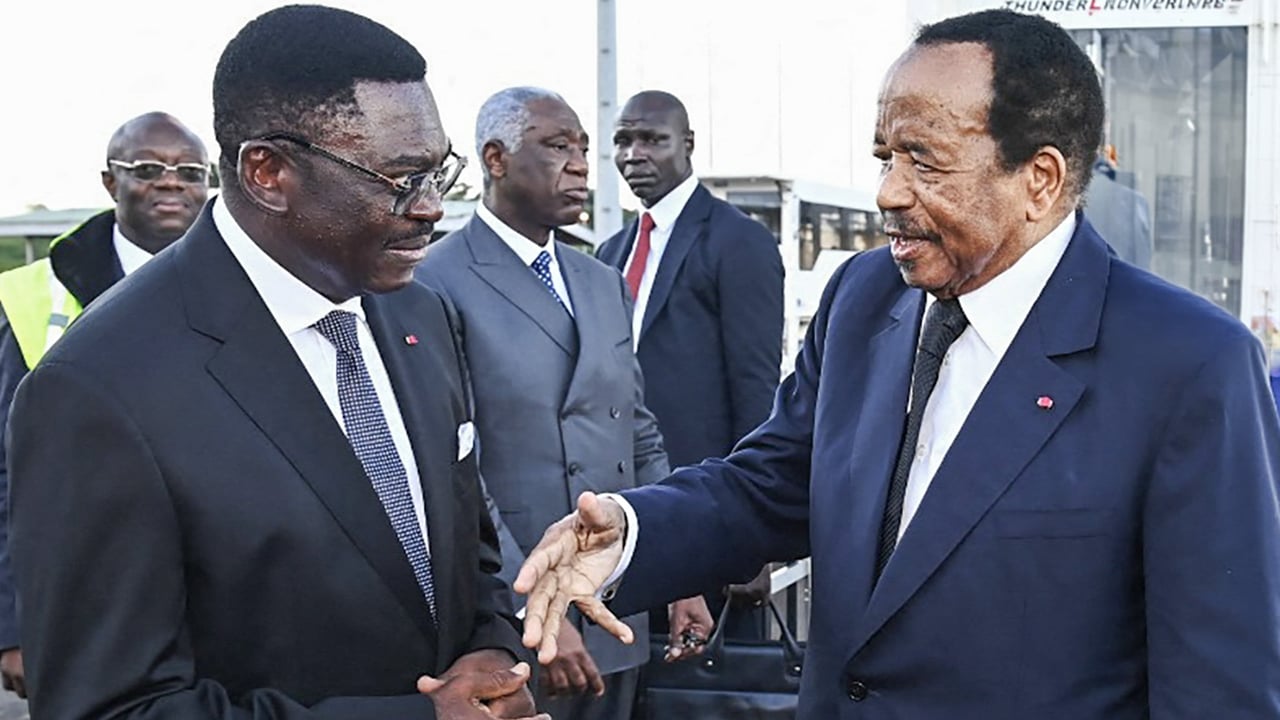
The construction activities, though seemingly unrelated to politics, have become intertwined with the reshuffle process. Ferdinand Ngoh Ngoh, Secretary-General to the Presidency, has been directly involved in coordinating these efforts, alongside Samuel Mvondo Ayolo, Director of the Civil Cabinet. Their dual roles in both infrastructure oversight and government restructuring have created a complex web of responsibilities.
Public expectations vs. behind-the-scenes realities
Cameroonians have grown accustomed to periodic cabinet reshuffles, often seen as a tool for rejuvenating governance. However, this time, the hidden construction agenda has introduced an element of unpredictability. Some analysts suggest that the infrastructure push may be a strategic move to modernize state facilities ahead of a potential transition.
While the government has not issued formal statements on the matter, whispers in political circles indicate that the reshuffle could be delayed by several weeks. The focus remains on ensuring these projects meet the highest standards before any ministerial changes are announced.
What’s next for Cameroon’s government?
The coming days will be critical in determining whether the infrastructure hurdles can be cleared swiftly. If the projects receive the necessary endorsements, the reshuffle may finally move forward, bringing fresh leadership to key ministries. Until then, the nation watches and waits, caught between anticipation and the reality of administrative delays.