Cameroon’s main opposition party demands clear rules for prolonged presidential absences
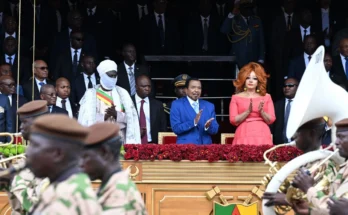
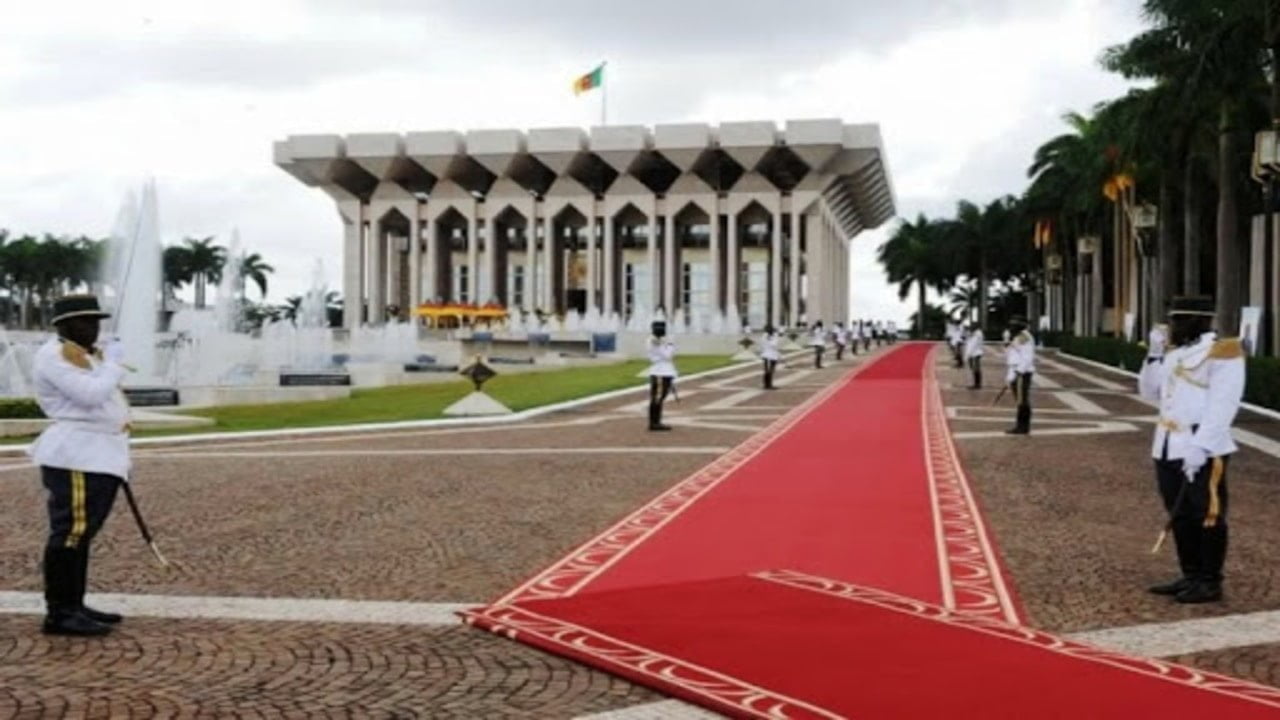
The Union Démocratique du Cameroun (UDC) has raised concerns over the prolonged absence of President Paul Biya from the Palais de l’Unité, now entering its sixth week. Following the Head of State’s departure for a private visit to Europe on June 7, 2026, no official updates have been provided regarding his whereabouts or expected return. While the Civil Cabinet’s announcement cited no specific reason for the trip, credible reports indicate he is in Switzerland for undisclosed purposes.
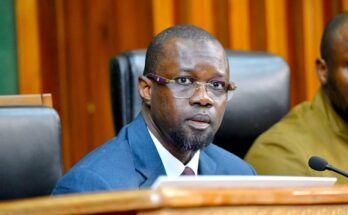
The silence surrounding the President’s absence has sparked public debate. UDC leader Patricia Tomaino Ndam Njoya condemned the lack of transparency, emphasizing the need for institutional clarity. In a formal statement, the party highlighted the risks posed by extended presidential absences to the continuity of governance and called for constitutional mechanisms to be enforced.
Under the April 14, 2026 constitutional revision, the President is required to appoint a Vice President to ensure governance continuity. The UDC insists this provision must be implemented without delay, warning that prolonged absences without clear delegation of duties could lead to institutional paralysis. The party’s recommendations include:
- Establishing strict timelines for presidential absences to prevent prolonged leadership vacuums.
- Mandatory public updates to the nation and Parliament during extended presidential travels.
- Formal delegation of presidential functions when necessary, with prior publication in official gazettes.
- An impartial process for verifying temporary or permanent incapacitation, preventing any ambiguity in leadership transitions.
Public frustration has grown amid unanswered questions about the President’s prolonged stay abroad. Some citizens, including members of the self-proclaimed Brigade Anti Sardinard, staged a symbolic protest outside the Head of State’s residence, demanding his immediate return. The timing of his absence raises further concerns, coinciding with the early stages of his eighth term following a controversial presidential election and the delayed formation of a new government.
Institutional instability has been exacerbated by incidents such as the circulation of fraudulent presidential decrees on state media, a situation that underscores the urgency of addressing governance gaps. With legislative and municipal elections approaching in late July 2026, political tensions are escalating, even within the ruling party. The RDPC’s Central Committee has scheduled an emergency meeting for July 21, 2026—yet another sign of the widening cracks in institutional continuity amid the President’s absence.