The Mali region of Mopti witnessed another wave of coordinated assaults on Sunday, July 19, as the Group for the Support of Islam and Muslims (JNIM) launched a series of targeted strikes. By claiming responsibility for four simultaneous attacks against the Malian Armed Forces (FAMa), Russian-backed Africa Corps personnel, and local self-defense militias, the Al-Qaeda affiliate underscored its persistent operational reach. Five years after the coup led by Assimi Goïta, the junta’s pledge to restore state control appears increasingly hollow, as the nation grapples with an unprecedented security and humanitarian crisis exacerbated by Russian military support and territorial losses.
Another wave of coordinated violence rocks central Mali
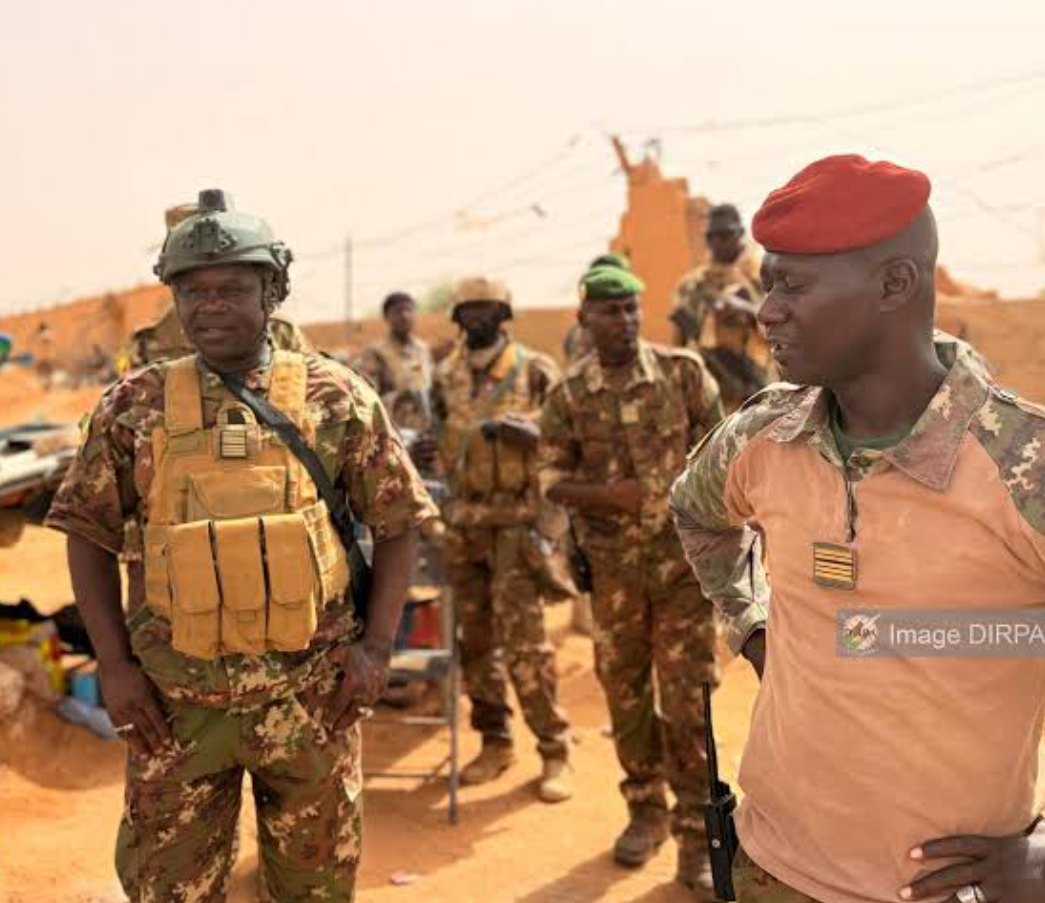
The July 19 offensive in Mopti laid bare the deepening instability gripping central Mali. Through its established propaganda channels, the JNIM detailed four separate assaults, showcasing its enduring tactical prowess. In the Douentza district, the group detonated three improvised explosive devices (IEDs), deliberately targeting a logistics convoy, a military truck, and a motorcycle detachment of government troops. These strikes were explicitly aimed at disrupting the movements of both Malian soldiers and Russian mercenaries from Africa Corps (formerly Wagner Group). Meanwhile, in the outskirts of Kansila, the JNIM launched a direct assault on a local Dozo militia unit—traditional hunters often mobilized by Bamako as auxiliary forces. The militants reported three Dozo fighters killed in the ambush.
Assimi Goïta’s regime: a sobering tally of failure
When the colonel Assimi Goïta seized power in a coup, the junta vowed to reclaim every inch of national territory and restore stability where Western-backed forces, including the now-defunct Barkhane operation, had allegedly faltered. Yet five years later, empirical data from conflict monitoring groups paints a starkly different picture. Reports indicate a surge in civilian and combatant casualties, with violence-related deaths doubling or even tripling in some provinces compared to pre-coup levels. The conflict landscape has also fragmented further, as the deployment of Africa Corps and the systematic targeting of certain ethnic groups have deepened intercommunal tensions, inadvertently fueling recruitment for jihadist factions. Compounding the crisis, daily assaults—particularly IED strikes and ambushes—have become routine, crippling critical road networks and paralyzing economic lifelines.
State retreat and silent humanitarian catastrophe
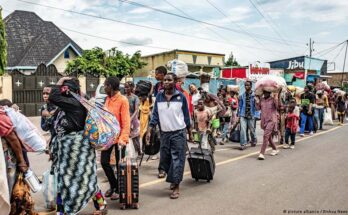
Despite official claims from Bamako about the Malian Armed Forces gaining ground, the reality on the ground tells a different story. While symbolic victories—such as the recapture of Kidal in late 2023—have been achieved, holding territory remains elusive. Vast swaths of the country’s north and center now operate as lawless gray zones, where government institutions have ceased to function. The human cost is staggering: according to United Nations agencies, over 400,000 internally displaced persons now roam the country, fleeing both jihadist brutality and the collateral damage of military operations.
Entire communities face acute food shortages as the JNIM and the Islamic State in the Greater Sahara (EIGS) impose blockades on key localities. The inability of Malian authorities to secure supply routes has crippled humanitarian aid deliveries, turning a security crisis into a hidden humanitarian emergency.
Africa Corps: a partnership that delivers neither security nor stability
To fill the void left by the withdrawal of French troops and the UN MINUSMA mission, the Malian junta turned to Moscow for support. Initially relying on the Wagner Group, Bamako later transitioned to Africa Corps, a Kremlin-backed paramilitary force directly under Russia’s Ministry of Defense. However, the results have been underwhelming at best. Tactically, the Russian mercenaries—trained in brutal warfare tactics—have failed to stem the jihadist tide. Strategically, their presence has backfired: reports of civilian abuses, such as the Moura massacre, have driven local populations into the arms of insurgent groups, which now pose as protectors against state-backed violence. Militarily, Africa Corps suffers from chronic shortages of personnel and equipment, rendering effective counterinsurgency operations nearly impossible across Mali’s vast terrain.
The aerial blind spot: why air power isn’t enough
Facing a critical shortage of ground forces, the Goïta regime has invested heavily in aerial combat capabilities, procuring attack helicopters and drones—primarily from Russia and Turkey. While this fleet initially enabled large-scale airstrikes, its effectiveness has since waned. Maintenance issues plague the operation: several aircraft, including L-39 Albatros jets and Mi-24 helicopters, have been lost to technical failures or enemy fire. The logistical challenges of sourcing Russian-made spare parts have slowed repair efforts to a crawl. Meanwhile, insurgents have adapted their tactics, dispersing into smaller units, blending into civilian cover, or embedding within local communities. This evolution has rendered aerial strikes not only ineffective but also prone to tragic civilian casualties.
Stuck in a military-only quagmire
The July 19 attacks in Mopti are not isolated incidents but symptoms of a systemic breakdown. Bamako’s reliance on a military-first strategy has reached its limits. By severing diplomatic ties, alienating regional partners, and anchoring its survival to Russian mercenaries—whose priorities lie more in resource extraction than nation-building—the Malian government has boxed itself into a dead end. Without a holistic political approach that restores governance, revives public services, and protects civilians, Mali’s territory will continue to erode under the relentless pressure of a resurgent Saharan jihadism.