The detection of an Ebola case in neighboring Nigeria has triggered a decisive shift in Cameroon’s public health strategy. With nearly 1,500 kilometers of shared border, the threat of cross-border transmission looms large—especially as the country grapples with a concurrent cholera outbreak in the Far North region.
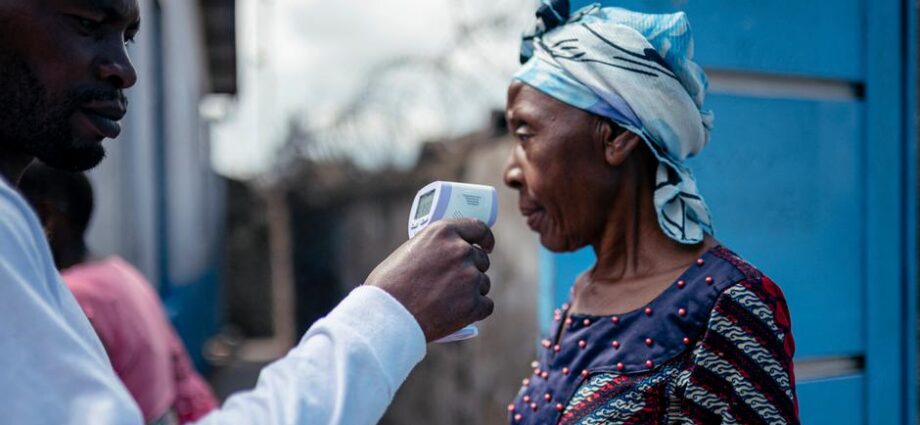
For residents like Aurélien Ngouffo, an agronomist based in Yaoundé, the challenge feels overwhelming. “How do we stop people from crossing borders when movement is nearly impossible to control? It’s a daunting task—one that only divine intervention can resolve,” he reflects. The government’s response is unfolding rapidly, with health authorities deploying enhanced screening protocols at key entry points, including the Yaoundé-Nsimalen International Airport. A dedicated three-bed quarantine unit has been established, though officials acknowledge the need for further staffing and resource allocation. Minister of Public Health Manaouda Malachie is also expected to visit Douala’s airport to assess readiness.
“Our priority must be twofold: preventing Ebola’s introduction into Cameroon and ensuring early detection, isolation, and treatment of suspected cases. This requires mobilizing all partners—health workers, administrative bodies, and civil society—to raise awareness and coordinate efforts. We must be prepared to identify, report, and respond without delay.”
Lessons from past outbreaks
Cameroon’s history with Ebola offers both caution and confidence. During the 2014 West African epidemic, the country implemented strict border closures with Nigeria—a move that temporarily eased public anxiety. Yet with cholera still ravaging the Far North, skepticism lingers about the healthcare system’s capacity to handle dual crises.
“We’re always reacting, never anticipating. Our systems lack foresight and even basic population data. If we can’t track cholera outbreaks effectively, how can we expect to manage something as deadly as Ebola?” Ngouffo questions. The operational hurdles are clear: strengthening healthcare teams, accelerating case detection, enforcing isolation protocols, and protecting frontline workers. Every step is critical to halting the virus’s spread.
Operational readiness takes center stage
The shift from planning to execution has begun. Health teams are being trained to recognize Ebola’s early symptoms, while contact tracing protocols are being refined. Public health campaigns are ramping up to educate communities on prevention and reporting procedures. Yet the clock is ticking. With Nigeria’s case serving as a stark reminder, Cameroon’s ability to act swiftly and decisively will determine whether the country can avert another health catastrophe.
Comments are closed, but trackbacks and pingbacks are open.