Paul Biya’s absence fuels scrutiny over Cameroon’s leadership
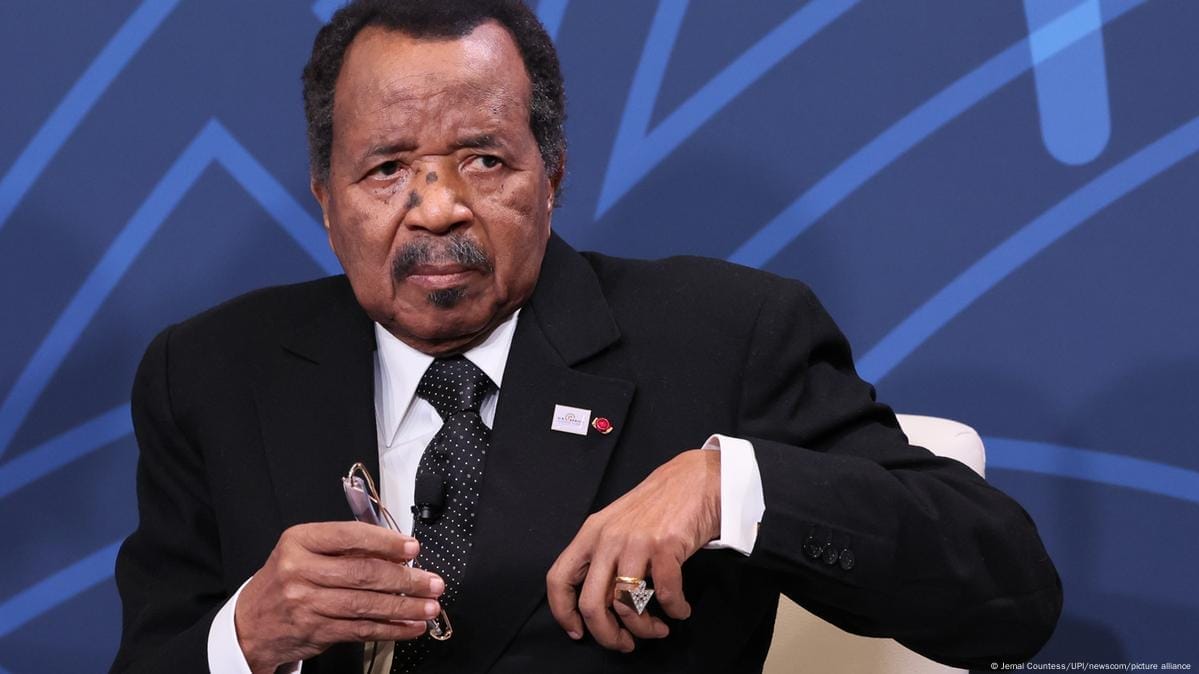
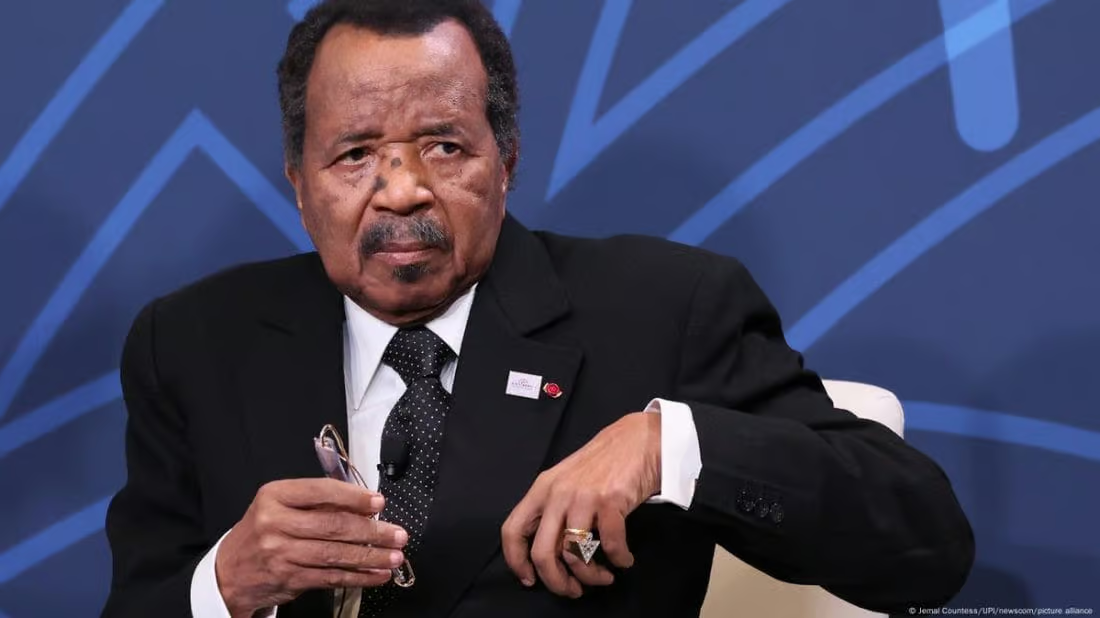 Paul Biya, Cameroon’s longest-serving president © Jemal Countess/UPI/newscom/picture alliance
Cameroon remains on tenterhooks as President Paul Biya, the world’s oldest serving leader at 93, continues his prolonged stay abroad. Departing on June 7, 2026, what was initially announced as a brief private visit to Europe with his spouse has stretched into its 45th day, with no clear return date in sight.
This unprecedented absence has ignited widespread discussions across the nation, with health concerns dominating media narratives and public conversations online. While authorities insist everything is functioning normally, the lack of official updates has only deepened the mystery surrounding the president’s whereabouts.
Government attempts to quell concerns
In response to mounting speculation, Cameroon’s ruling party, the Cameroon People’s Democratic Movement (RDPC), has launched a communication offensive. In a July 15 editorial published in the state newspaper Cameroon Tribune, Christophe Mien Zok, the party’s director of propaganda, sought to reassure citizens through a carefully crafted message.
“Power remains firmly in place. The Lion has not left,” he declared, pushing back against suggestions that the country might be operating on autopilot or governed remotely. The statement came as official presidential channels released congratulatory messages allegedly authored by Biya, including one addressed to French President Emmanuel Macron on Bastille Day and another to Montenegro’s president—though no visual or voice confirmation of the president’s active involvement has been provided.
Opposition demands answers
The prolonged uncertainty has emboldened opposition figures to challenge the situation. Deputy Jean-Michel Nintcheu has escalated the matter by filing a petition with the Constitutional Council, requesting an evaluation of whether the president’s absence constitutes a power vacuum.
The Democratic Union of Cameroon (UDC) has taken a more measured approach, avoiding direct speculation about Biya’s personal circumstances while emphasizing that institutional stability cannot rely on secrecy and assumptions. The party argues that while an extended foreign stay doesn’t automatically constitute presidential vacancy, it raises critical questions about the continuity of state functions, the effective exercise of presidential powers, and the mechanisms designed to handle temporary impediments to governance.
Constitutional gaps exposed
Legal experts point out that once the 45-day mark is surpassed, the Constitutional Council may need to examine the situation—but Cameroon’s constitution currently lacks clear provisions specifying maximum durations for presidential absences from national territory. The UDC has highlighted another concerning gap: the absence of a vice-president since constitutional reforms in April, calling for urgent institutional reforms to establish precise guidelines for managing prolonged presidential absences and preventing institutional uncertainty.
As the days of Biya’s absence accumulate, the standoff between authorities insisting on normalcy and critics demanding transparency intensifies. The government maintains that state institutions are operating smoothly, while opponents argue that clearer legal frameworks and more candid communication are essential to address this unprecedented situation.