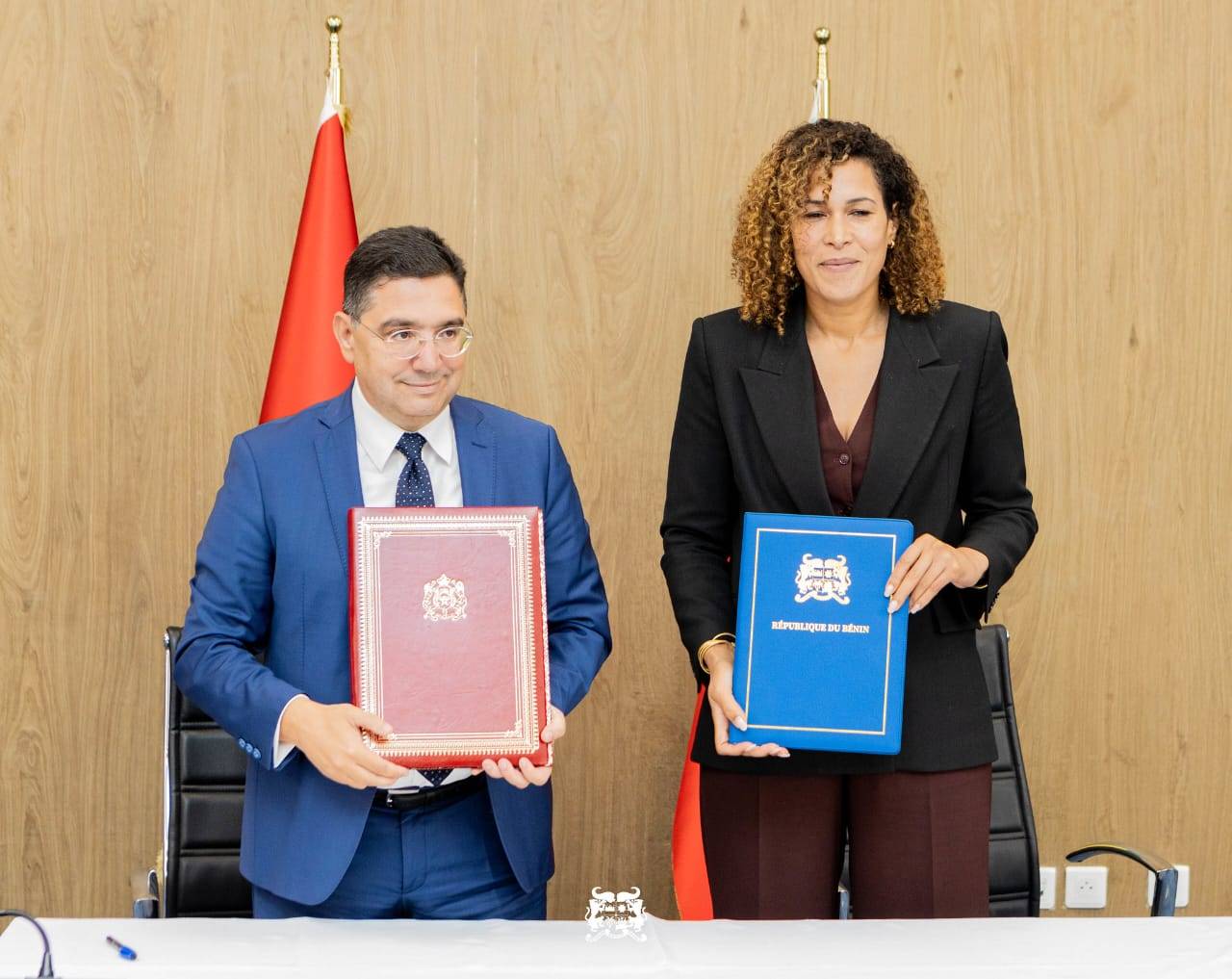
Cotonou recently played host to a landmark gathering that could redefine economic and diplomatic relations between West Africa and North Africa. The 7th Session of the Benin-Morocco Joint Cooperation Commission brought together high-level delegations to ink a series of agreements aimed at accelerating bilateral growth, fostering trade, and deepening mutual investments.
Diplomatic momentum drives economic convergence
The high-profile meeting in Cotonou underscored a shared commitment to strengthening ties between the two nations. With both countries prioritizing South-South cooperation, the session highlighted how strategic alliances can unlock new opportunities for regional development. Key figures, including Benin’s Minister of Higher Education, Sèdami Medegan Fagla, and Morocco’s Foreign Minister, Nasser Bourita, emphasized the importance of political stability and economic vision in shaping this partnership.
Speaking on the sidelines, Minister Bourita praised Benin’s democratic progress and the forward-looking policies of President Romuald Wadagni, positioning Morocco as a reliable development partner ready to invest in the country’s future.
Economic integration takes center stage
The discussions zeroed in on tangible outcomes, with a focus on creating value, enhancing financial attractiveness, and boosting international trade. Benin’s Minister for External Resource Mobilization and Debt Management, Hugues Oscar Lokossou, framed the collaboration as a model for shared prosperity:
The South-South cooperation we’re building between Cotonou and Rabat isn’t just diplomatic rhetoric—it’s a practical solution to the aspirations of our people. By pooling our strengths, talents, and resources, we’re laying the foundation for inclusive economic growth that benefits both nations.
Sectoral synergies emerged as a key theme, particularly in banking, port logistics, and agro-processing, where Morocco’s expertise aligns with Benin’s modernization goals. The session also explored ways to ease business mobility, streamline trade procedures, and attract foreign direct investment, creating a more dynamic economic environment for entrepreneurs on both sides.
14 strategic agreements to reshape partnerships
The culmination of the talks was the signing of 14 comprehensive cooperation agreements, covering a wide spectrum of areas. These include:
- Economic and trade facilitation: Simplifying cross-border transactions, protecting investments, and encouraging joint ventures.
- Education and skills development: Expanding scholarship programs and academic exchanges to strengthen human capital.
- Security and governance: Collaborative efforts to address regional challenges and enhance stability.
- Cultural and social ties: Promoting people-to-people exchanges through sports, arts, and shared heritage initiatives.
From agreements to action: a roadmap for implementation
The momentum generated in Cotonou is already translating into concrete steps. Benin’s Minister of Foreign Affairs and Integration of Afrodescendants, Corinne Amori Brunet, announced plans to follow up in Rabat, signaling that the partnership is moving beyond declarations toward measurable results:
Our goal now is to turn these signed agreements into tangible projects across multiple sectors. I look forward to welcoming our Moroccan partners in Rabat soon to advance this vision and ensure these commitments deliver real impact.
A blueprint for Africa’s future alliances
The Benin-Morocco partnership exemplifies how pragmatic bilateral cooperation can drive continental integration. By balancing economic interests, security imperatives, and cultural exchange, the two nations are setting a benchmark for future collaborations in Africa. As implementation begins, all eyes will be on the first tangible benefits—financial gains, industrial growth, and shared progress—that this historic alliance promises to deliver.