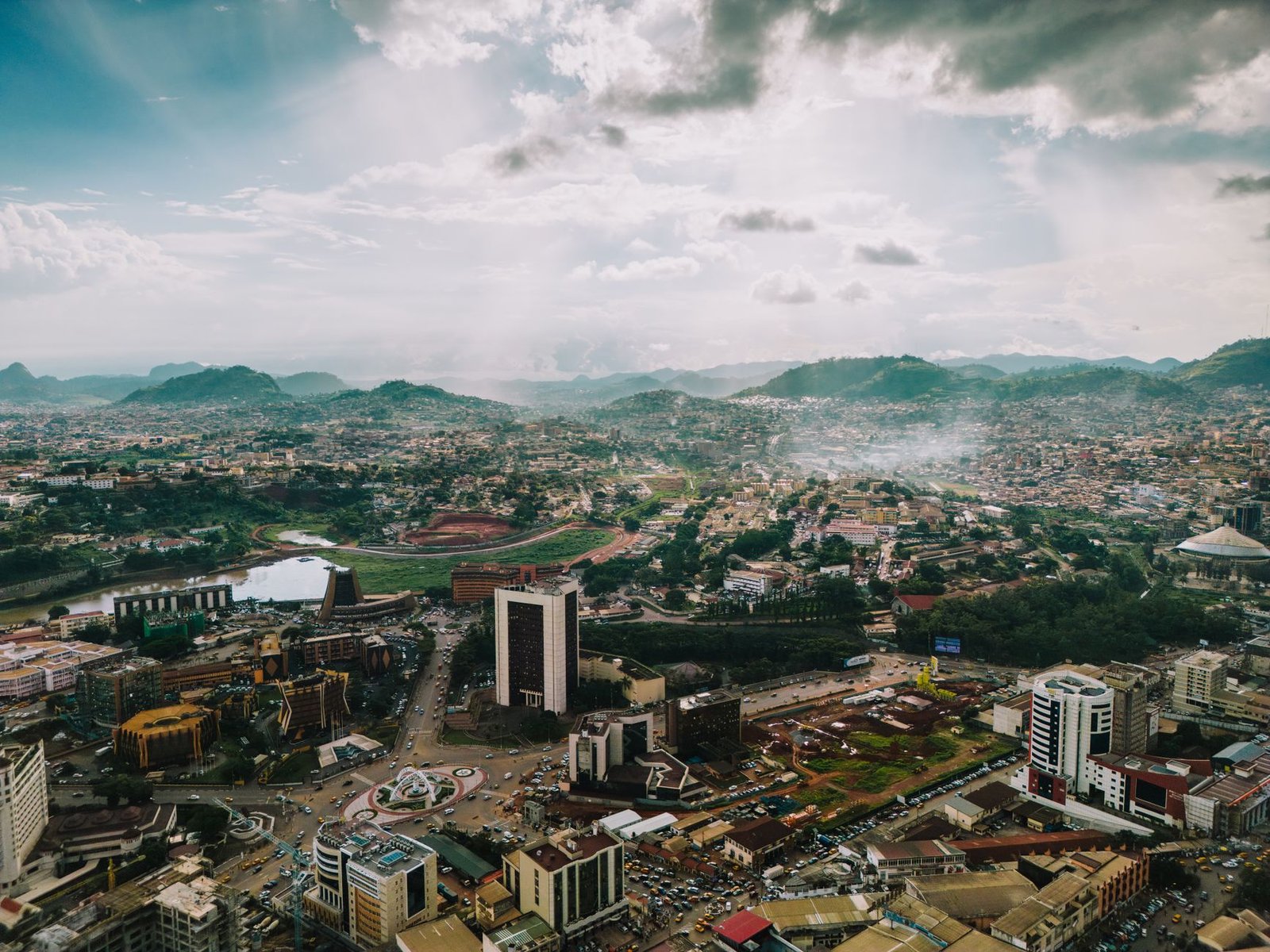
The Cameroonian Treasury successfully mobilised 800.7 billion FCFA (approximately $1.4 billion) on the domestic market during the first half of 2026, according to the latest monthly public debt report from the Caisse autonome d’amortissement (CAA). This figure, while substantial within the Central African Economic and Monetary Community (CEMAC), signals a deliberate shift in Yaoundé’s domestic financing strategy.
Domestic market borrowing slows down
The first-half figure represents a noticeable deceleration compared to the 1,525.9 billion FCFA raised throughout 2025. If this slower pace continues, the government is expected to close the year at around 1,600 billion FCFA—slightly below 2025’s total but well short of earlier growth projections. The adjustment appears linked to a reduced frequency of public bond issuances, including bons du Trésor assimilables (BTA) and obligations du Trésor assimilables (OTA), as well as a more selective investor response across the region.
Two key factors are at play: liquidity levels within the CEMAC banking sector, which remain heavily dependent on hydrocarbon revenues and foreign exchange reserves managed by the Banque des États de l’Afrique centrale (BEAC), and growing competition from other CEMAC issuers such as Gabon, Chad, and the Republic of the Congo. These pressures have narrowed the absorption capacity of primary banks, the main subscribers to regional sovereign bonds.
Balancing volume and cost in debt management
The pullback in domestic borrowing also reflects Yaoundé’s efforts to stabilise the cost of servicing internal debt. Recent CEMAC bond auctions have seen rising yields, driven by the BEAC’s tighter monetary policy and heightened risk premiums demanded by investors. For the Treasury, striking the right balance between the volume raised and the weighted cost of borrowing is becoming increasingly complex, particularly as the average maturity of issued bonds influences future refinancing requirements.
The CAA’s monthly monitoring highlights the interplay between cash flow needs tied to budget execution, debt maturities, and actual funds mobilised. As the largest economy in the CEMAC zone, Cameroon holds a benchmark role in the regional sovereign bond market—but this also comes with heightened scrutiny. A controlled slowdown may be perceived as prudent fiscal management, whereas an involuntary decline could raise concerns about long-term fiscal sustainability.
Outlook for the second half of 2026
The upcoming auction calendar will be critical in determining the trajectory of domestic borrowing. Future issuances must align with upcoming repayment deadlines and the financing demands of public investment programmes, particularly in infrastructure and energy. The Ministry of Finance, led by Louis Paul Motaze, has historically balanced domestic market borrowing with external sources, including funds from multilateral partners such as the International Monetary Fund (IMF) and the World Bank.
Yet, questions persist about the depth of the regional market. The Bourse des valeurs mobilières de l’Afrique centrale (BVMAC) continues to lag behind peers like the BRVM in West Africa in attracting comparable investment flows. In this environment, the Treasury’s ability to diversify its investor base—by engaging pan-African funds or non-bank institutional investors—will be pivotal to the success of future bond issuances. The next six months will serve as a critical test for Cameroon’s domestic financing strategy.
Comments are closed, but trackbacks and pingbacks are open.