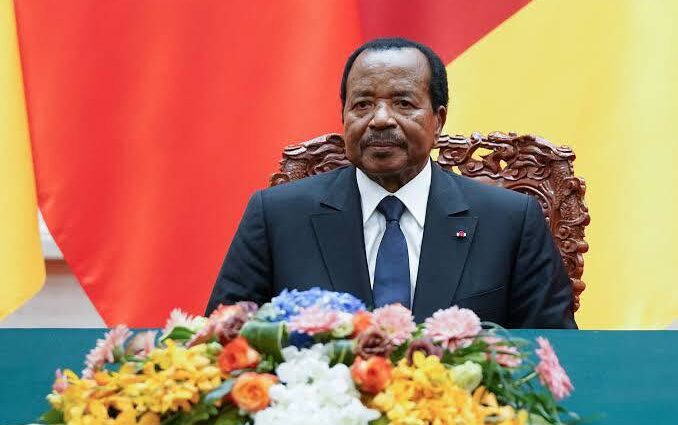
The prolonged vacancy of Cameroon’s vice-presidential office is sparking intense debate amid mounting concerns over President Paul Biya’s advancing age and the nation’s political future. Far from mere bureaucratic hesitation, this deliberate postponement signals a calculated move by the head of state to delay a constitutional reckoning that could reshape his grip on power.
Political analysts argue that Biya’s hesitation stems from a critical realization: the vice-president’s constitutional role in certifying a president’s definitive incapacity could accelerate the very succession process he seeks to control. This insight has transformed the vice-presidential appointment from a routine administrative task into a high-stakes maneuver with profound implications for the country’s stability.
Constitutional Reform Creates A High-Stakes Gamble
The April constitutional amendments introduced a pivotal change with far-reaching consequences. The vice-president now holds constitutionally defined authority to participate in the process of declaring a president permanently incapacitated. This provision has created an unanticipated vulnerability for Biya, whose health and age have become subjects of national discussion.
As one seasoned analyst observed, “The president’s careful reading of the constitution revealed an inconvenient truth: appointing a vice-president could trigger the very mechanism designed to assess presidential incapacity within six months.” This calculation has forced Biya to weigh the risks of institutional continuity against the potential acceleration of his own political sunset.
Succession Strategy: Control Through Delay
At 93 years old, Biya exercises unchallenged authority over Cameroon’s political landscape. The vice-presidential vacuum since the constitutional reform reflects a deliberate strategy to maintain maximum flexibility in managing his eventual succession. While political figures increasingly demand the position’s filling, citing national urgency, the president has resisted all pressure, reserving the final decision exclusively for himself.
In presidential circles, potential candidates circulate, but none can secure the nomination without Biya’s explicit approval. This centralized decision-making process ensures that the eventual vice-president will be a figure acceptable to the aging leader, minimizing any threat to his prolonged political dominance. The strategy allows Biya to defer the inevitable political transition while maintaining the appearance of normalcy in state operations.
National Stability Hangs In The Balance
The vice-presidential delay has created a paradoxical situation where Cameroon’s institutional stability depends on the very position that remains unfilled. The constitutional framework established to ensure continuity during crises now operates under a cloud of uncertainty. International observers and domestic stakeholders alike express growing concern about the potential vacuum that could emerge if Biya’s health deteriorates unexpectedly.
Political analysts emphasize that the vice-president’s absence represents more than an administrative oversight—it embodies a critical moment where Cameroon’s political future hangs in suspension. The stakes could not be higher: without a designated successor mechanism, the country risks political instability at the precise moment when leadership continuity is most crucial.
Comments are closed, but trackbacks and pingbacks are open.