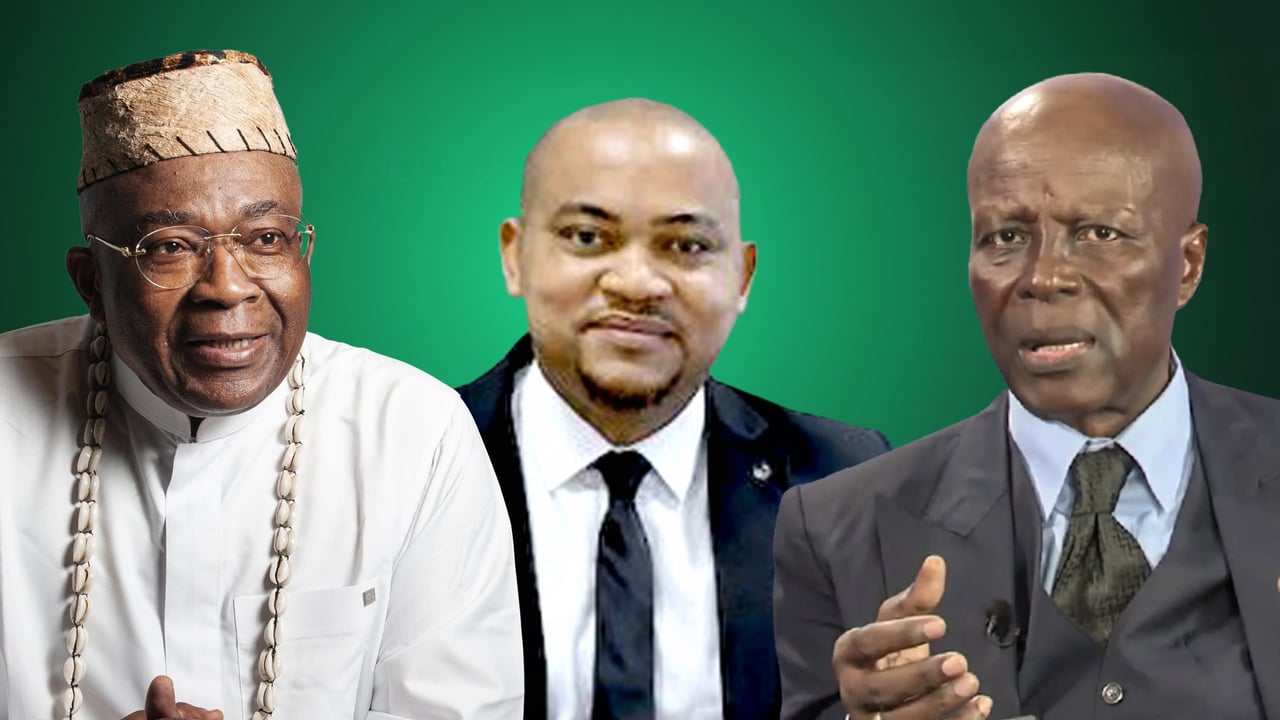

Why Cameroon’s political heavyweights are locked in a fierce battle for the Wouri-Est constituency
In the heart of Douala, Cameroon’s economic capital, the Wouri-Est constituency has become the epicenter of a political storm. No major party can afford to overlook this strategic electoral battleground, where high stakes and intense rivalry are reshaping the national political landscape.
With multiple heavyweights vying for influence, the outcome here could tip the scales in favor of one political camp over another. The stakes? Nothing less than shaping Cameroon’s future direction.
A constituency of decisive importance
The Wouri-Est district, part of the vibrant city of Douala, holds a pivotal role in Cameroon’s electoral map. Its dense urban population, economic vitality, and political diversity make it a microcosm of the nation’s broader challenges and aspirations. For any party, securing this constituency isn’t just about winning a seat—it’s about sending a clear message to voters nationwide.
As campaign season intensifies, the rhetoric heats up. Party leaders are pulling out all the stops, deploying their most compelling voices to woo voters in a bid to claim this coveted territory.
The frontrunners and their strategies
The race for Wouri-Est has drawn in some of the country’s most prominent political figures. Among them are:
- Jean-Michel Nintcheu, whose reputation as a reformist and his grassroots connections position him as a formidable contender.
- Pierre Emmanuel Binyam, a seasoned strategist with a knack for mobilizing urban voters.
- Hervé Emmanuel Nkom, whose influence extends across party lines and who commands significant grassroots support.
Each candidate brings a distinct vision and approach to the table. Nintcheu’s campaign emphasizes transparency and change, while Binyam focuses on pragmatic solutions to urban challenges. Nkom, on the other hand, projects a unifying figure, appealing to voters seeking stability in turbulent times.
As the campaign trail unfolds, the strategies of these candidates reveal much about their priorities—and the issues that matter most to the people of Wouri-Est.
What’s at stake for voters?
Beyond the political maneuvering, the people of Wouri-Est face real challenges. Rising living costs, access to quality services, and infrastructure deficits are just a few of the pressing concerns shaping their voting decisions. For residents, this election isn’t just about party loyalty—it’s about securing tangible improvements in their daily lives.
The candidates’ ability to address these concerns will determine whether their promises resonate or fall flat. Voters here are increasingly demanding accountability and results, making this election one of the most closely watched in recent memory.
Looking ahead: a constituency that could redefine Cameroon’s politics
The outcome in Wouri-Est will send a powerful signal about the shifting dynamics of Cameroon’s political landscape. A victory here could propel a candidate—or a party—into the national spotlight, while a loss might force a reckoning with strategy and messaging.
For now, the battle lines are drawn, and the stakes couldn’t be higher. As election day approaches, all eyes remain fixed on Douala’s Wouri-Est, where the future of Cameroon’s political order may well be decided.
Comments are closed, but trackbacks and pingbacks are open.