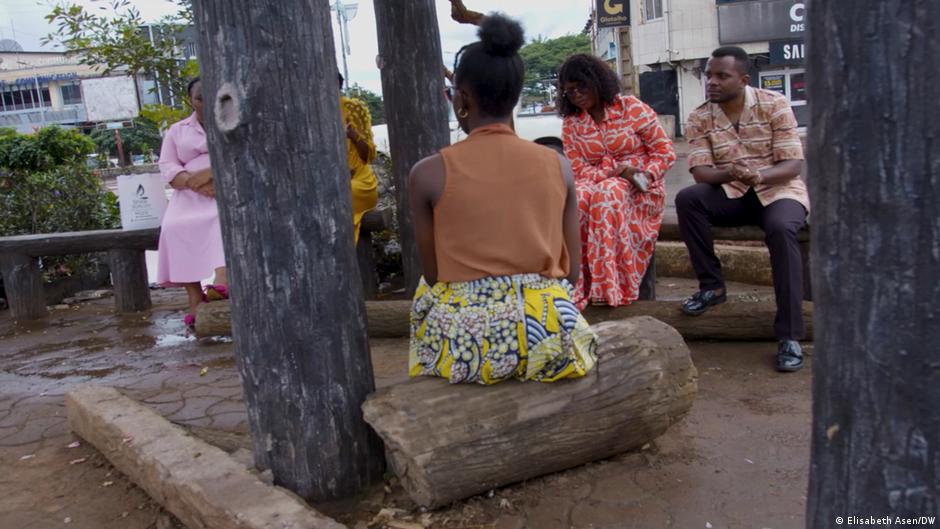
The debate has reached a boiling point: social media in Cameroon is no longer just a tool—it’s an arena where the next generation’s dreams and pitfalls collide. As young voices take center stage in nationwide discussions, the fallout from digital transformation demands urgent attention, reflection, and action.
The #PSE initiative has become a catalyst for youth-led dialogue, exposing both the empowering potential and the toxic underbelly of online platforms. From rising desinformation to viral scams and privacy breaches, the landscape is shifting beneath the feet of Africa’s digital natives. What happens now that the screen has become the frontline of identity, economy, and civic life?
Digital empowerment or digital entrapment?
For every young entrepreneur in Douala launching a thriving e-commerce brand or an influencer in Yaoundé building a community of 100,000 followers, there’s another voice warning of vanity metrics and false connections. The paradox is stark: social platforms offer unparalleled access to knowledge and markets, yet they also act as echo chambers that amplify division and misinformation.
During the recent #PSE youth dialogue, participants shared vivid accounts—some uplifting, others alarming. A startup founder recounted how Instagram helped her secure $20,000 in seed funding after a single viral campaign. Meanwhile, a university student revealed how deepfake videos bearing his image damaged his reputation in less than 48 hours.
Where youth dreams meet digital dangers
- Economic liberation: Freelancers in Bamenda and Douala use LinkedIn and Twitter to bypass traditional gatekeepers, landing remote jobs and partnerships.
- Cultural erosion: Trends like TikTok challenges have reshaped social norms overnight, blurring lines between inspiration and imitation.
- Exploitation risks: Many young creators fall prey to predatory contracts or copyright theft, unaware of legal protections.
- Cyberbullying spikes: High-profile cases of online harassment among students have pushed schools to introduce digital safety workshops.
Can Cameroon’s youth reshape the digital future?
The consensus emerging from the debate is clear: social media isn’t inherently good or evil—it’s a mirror. It reflects the best and worst of human behavior, amplified by algorithms. The key lies in agency. Digital literacy is no longer optional; it’s survival.
Experts advocate for structured mentorship programs, school curricula that teach media ethics, and public awareness campaigns centered on critical thinking. “The goal isn’t to demonize social platforms,” said one youth advocate during the session. “It’s to ensure every user becomes a steward of their digital space.”
The path forward: digital responsibility as a civic duty
Looking ahead, the conversation is evolving beyond survival toward leadership. Young activists are pushing for policy reforms, demanding transparency from tech platforms operating in the country. They’re also redefining “success” online—not by follower counts, but by impact and integrity.
As Cameroon’s youth navigate this digital transformation, one thing is certain: the future won’t wait. The question is no longer if they’ll lead the change—but how soon they’ll define the rules of engagement in the world they’re building.
Comments are closed, but trackbacks and pingbacks are open.