A camerounais martial arts champion has died on the ukrainian battlefield after enlisting in the russian army, exposing the deadly risks faced by africans recruited into a foreign war. William Célestin Fokam, a 41-year-old former African sambo champion, was killed in combat, far from his homeland, raising urgent questions about why africans are losing their lives in a conflict unrelated to their continent.
From sports arena to ukrainian battlefield
Fokam’s journey began as a sporting pursuit. The Cameroonian athlete traveled to Russia to compete in sambo tournaments in 2022 and 2023. Yet, what started as an athletic endeavor took a fatal turn when he chose to join the Russian military. His death on the front lines marks a stark departure from the life of a celebrated sportsman, highlighting the dire consequences of a growing trend: africans being drawn into Russia’s war effort.
A growing and alarming recruitment trend
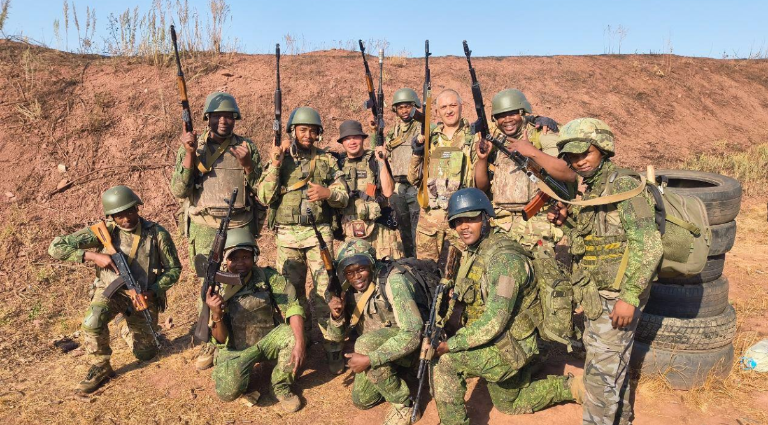
Fokam’s case is not an isolated incident. Investigations reveal a pattern of africans being recruited to fight in Ukraine, often under false pretenses. Reports indicate that many were lured by promises of civilian jobs—such as security work or other employment opportunities—only to find themselves coerced into military service. Some recruits claim they were pressured into signing contracts written in Russian, a language they did not understand, before being deployed with minimal training.
Cameroun faces the harsh reality of war
Cameroun is among the nations most affected by this trend. Evidence suggests that dozens of its citizens have died in Ukraine after joining Russian forces. Diplomatic notes and investigative reports point to a rising death toll, though exact numbers remain difficult to confirm. The loss of Fokam underscores the human cost of a conflict that, while geographically distant, has devastating local repercussions for african families and communities.
How recruitment networks operate
Research exposes the tactics used to enlist africans. Digital platforms, local intermediaries, and false job advertisements are employed to attract candidates. Some recruits believe they are traveling for work, education, or migration opportunities—only to discover they are expected to fight. In certain cases, individuals report being sent into battle with inadequate preparation, exacerbating the risks they face.
While not all african recruits were deceived, the lack of transparency in these operations raises serious ethical concerns. The line between voluntary enlistment and coercion is often blurred, leaving recruits vulnerable to exploitation.
Economic desperation and false promises
The motivations behind these decisions are complex. Economic hardship, unemployment, and limited opportunities at home drive many to seek better prospects abroad. For athletes like Fokam, even a successful sports career may not guarantee long-term stability. The allure of high wages or a brighter future can outweigh the risks—especially when the true nature of the engagement is concealed.
Yet, when job offers morph into military contracts, or when consent is obtained under pressure, the issue transcends personal choice. It becomes a matter of deception and the failure of systems meant to protect vulnerable individuals.
What can african governments do?
African nations now face a dual challenge: safeguarding their citizens while maintaining diplomatic relations with Moscow. Some countries, including Kenya, Ghana, and South Africa, have already demanded explanations or sought to repatriate their nationals. Meanwhile, Russian authorities deny illegal recruitment, asserting that foreigners can volunteer for military service.
For Cameroun, priorities include verifying reported deaths, supporting affected families, dismantling local recruitment networks, and educating citizens about the dangers of foreign military involvement. Strengthening consular and judicial cooperation with relevant countries could also help clarify how and why Cameroonians end up on the front lines.
A personal tragedy with broader implications
Fokam’s death is more than a personal loss—it is a stark warning. It forces a reckoning with the pathways that lead africans into foreign wars, the deceptive practices employed, and the responsibility of governments to protect their people. The phenomenon demands greater transparency, independent investigations, and cross-border collaboration to prevent further tragedies.
Ultimately, the story of William Célestin Fokam is a reminder that behind geopolitical strategies and military campaigns lie human lives—families in mourning and nations grappling with the consequences of a conflict they never chose to join.
Comments are closed, but trackbacks and pingbacks are open.