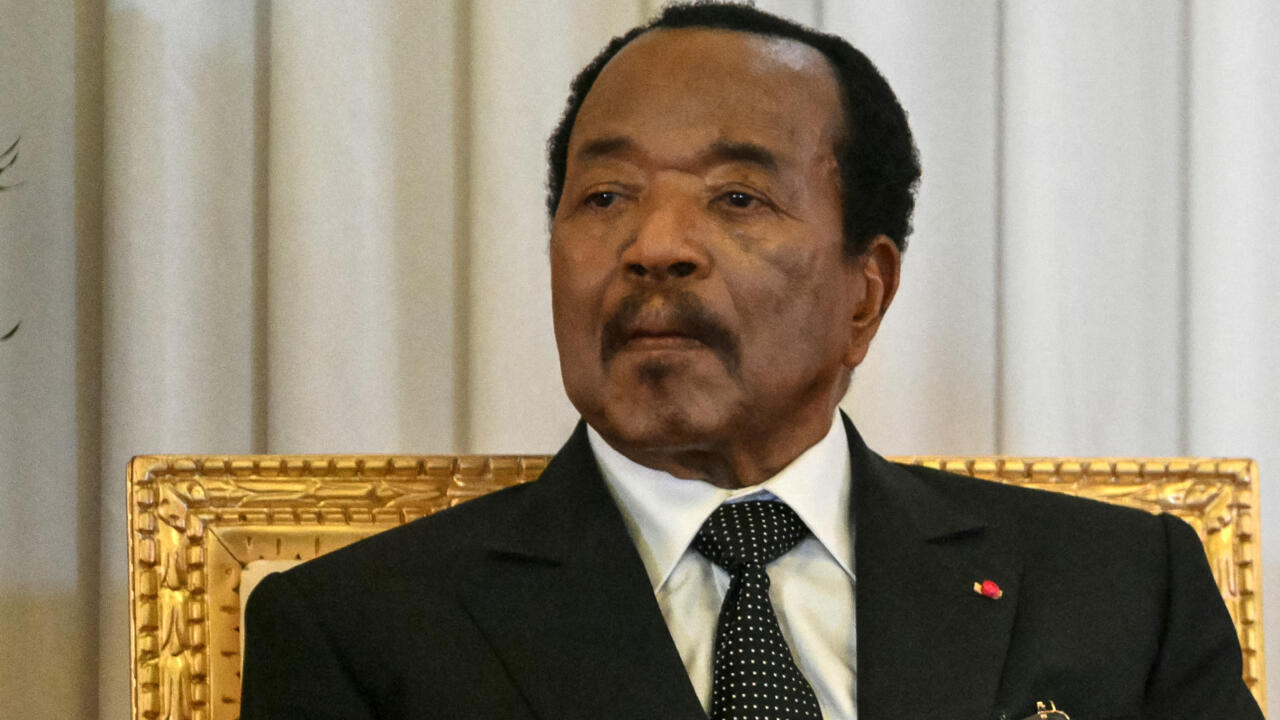
Cameroon’s president Biya missing for 58 days amid succession questions
At 93 years old and with 44 years of uninterrupted rule behind him, President Paul Biya of Cameroon has now been absent from public view for 58 consecutive days. The head of state left on June 7 for what was described as a ‘short private stay in Europe,’ yet no official sighting has been confirmed since. His Minister of Communication, René Sadi, addressed the nation to dispel concerns, stating: ‘The president is alive… There is no power vacuum,’ while offering no definitive timeline for his return.
This unprecedented absence has triggered widespread speculation about the implications for Cameroon‘s political stability. Observers and citizens alike are questioning whether the prolonged disappearance of the continent’s second-longest-serving leader could signal an imminent shift in governance. The government’s reluctance to provide clear updates has only intensified public curiosity about the president’s whereabouts and health.
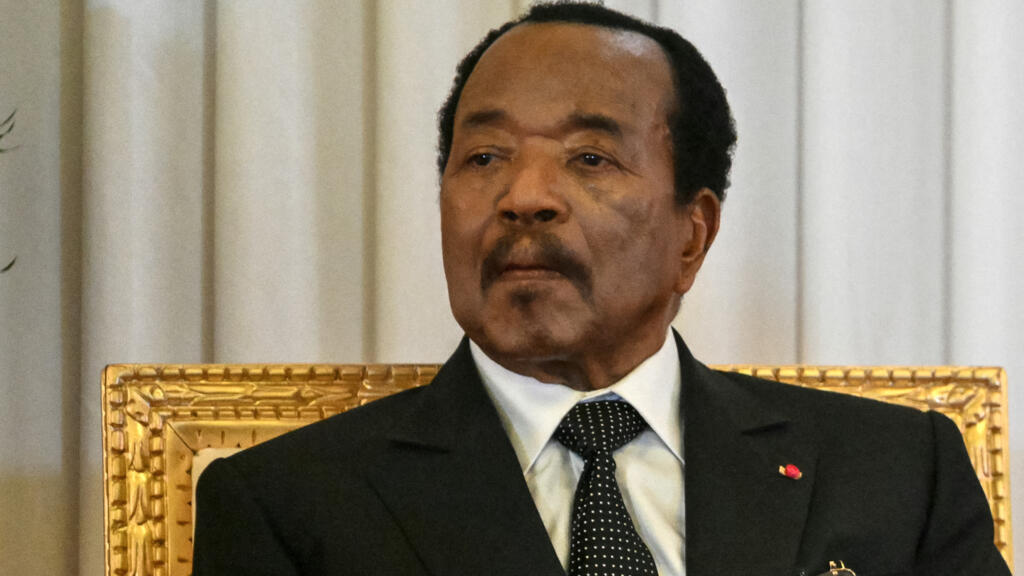
What does Cameroon’s president’s prolonged absence mean for the nation?
The sudden disappearance of a leader who has dominated Cameroon‘s political landscape for nearly half a century has left many citizens unsettled. Questions about the president’s health and the future of the country’s leadership are circulating across media platforms and social networks. Without concrete information, rumours are filling the void, with some suggesting a potential power transition could be underway.
The government’s official stance that ‘there is no power vacuum’ appears to have done little to quell the growing unease. As days turn into weeks without a public appearance from Biya, the nation watches closely, aware that this could mark a pivotal moment in its history.
Could this be the beginning of a political transition?
The extended absence of Paul Biya, who has maintained a tight grip on power since 1982, raises inevitable questions about succession. While authorities insist the presidency remains fully functional, the lack of transparency has fueled speculation about possible scenarios. Could this be the first sign of a carefully managed transition of power, or is the government merely attempting to manage an unprecedented crisis behind closed doors?
The situation underscores the delicate balance of power in Cameroon, where decades of stability under a single leader now face an uncertain future. As the world waits for further developments, one thing is clear: the prolonged silence from the presidency is doing little to reassure a nation accustomed to decades of leadership under one man.
With no official timeline for Biya’s return, the country remains in a state of anticipation, grappling with the implications of a leader’s extended absence on the horizon of its political future.
Comments are closed, but trackbacks and pingbacks are open.