
Revisiting federalism in Cameroon: a path to lasting peace?
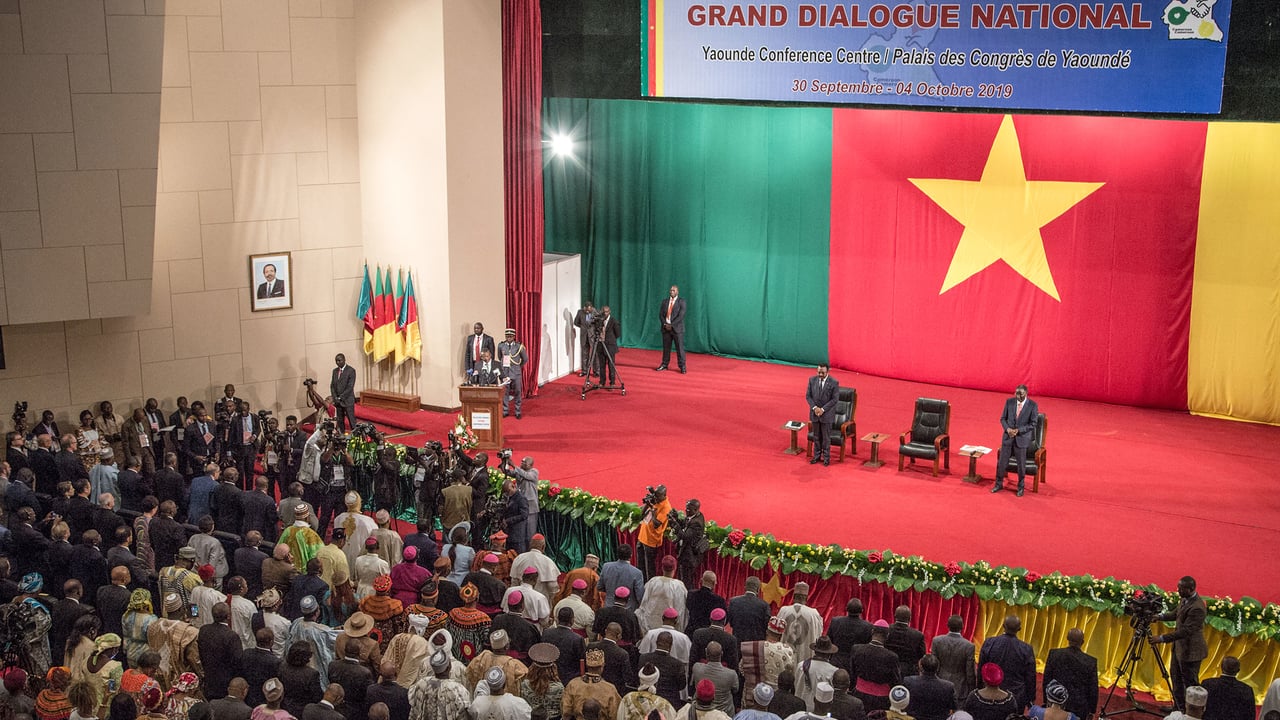
The idea of restoring Cameroon’s federal structure has once again taken center stage in national discussions. This proposal, long debated among political analysts and regional leaders, gained renewed momentum during the National Dialogue convened by President Paul Biya. Yet, the absence of influential separatist voices cast a shadow over the proceedings, leaving many questions unanswered about the feasibility of such a transition.
Origins of the federalism debate
The concept of federalism in Cameroon traces back to the immediate post-independence era. In 1961, the country was formed through the union of French-speaking Cameroon and the former British Southern Cameroons. The federal system, enshrined in the 1961 Constitution, granted significant autonomy to the two federated states—East Cameroon and West Cameroon. However, this structure was gradually dismantled in 1972, when a referendum abolished the federation in favor of a unitary state.
Critics argue that the centralization of power has contributed to persistent regional disparities and fueled grievances in the anglophone regions. These areas, which make up about 20% of the country’s population, have long complained about marginalization in governance, economic development, and cultural preservation. The escalation of the separatist crisis in 2016 further highlighted the urgency of addressing these structural issues.
Key figures and their stances
Several prominent figures have played pivotal roles in shaping the federalism debate. Paul Biya, Cameroon’s long-serving president, has historically resisted calls for a return to federalism, favoring a centralized approach to governance. His administration has emphasized national unity over regional autonomy, citing the risks of fragmentation.
Ahmadou Ahidjo, Cameroon’s first president and a key architect of the post-independence federal system, has been frequently cited in discussions about revisiting this model. Proponents of federalism often reference his vision as a potential blueprint for reconciliation and inclusive governance. Meanwhile, Prime Minister Joseph Dion Ngute, who chaired the National Dialogue, has acknowledged the need for reforms but stopped short of endorsing a full return to federalism.
Challenges and obstacles
Despite the growing discourse, significant hurdles stand in the way of implementing a federal system. The most pressing challenge is the lack of consensus among political stakeholders. Separatist leaders, who demand outright independence for the anglophone regions, have dismissed federalism as an insufficient compromise. Their absence from the National Dialogue underscored their unwillingness to engage in discussions that do not address their core demand for secession.
Additionally, the political elite remains deeply divided. While some lawmakers and regional leaders advocate for federalism as a means to address the crisis, others view it as a step backward that could weaken national cohesion. Economic considerations also complicate the debate. A federal system would require substantial administrative restructuring, which could strain the country’s already fragile public finances.
What’s next for Cameroon?
The path forward remains uncertain. The National Dialogue, while a step in the right direction, failed to produce a definitive resolution. President Biya has yet to make a clear statement on the future of the federalism debate, leaving the nation in a state of cautious anticipation. Meanwhile, grassroots movements and civil society organizations continue to advocate for inclusive dialogue, emphasizing that any solution must prioritize the voices of the anglophone population.
As Cameroon grapples with its identity and governance model, the federalism debate serves as a reminder of the country’s complex history and the enduring tensions between unity and regional autonomy. Whether this moment will lead to meaningful change or fade into political rhetoric remains to be seen.
Comments are closed, but trackbacks and pingbacks are open.