
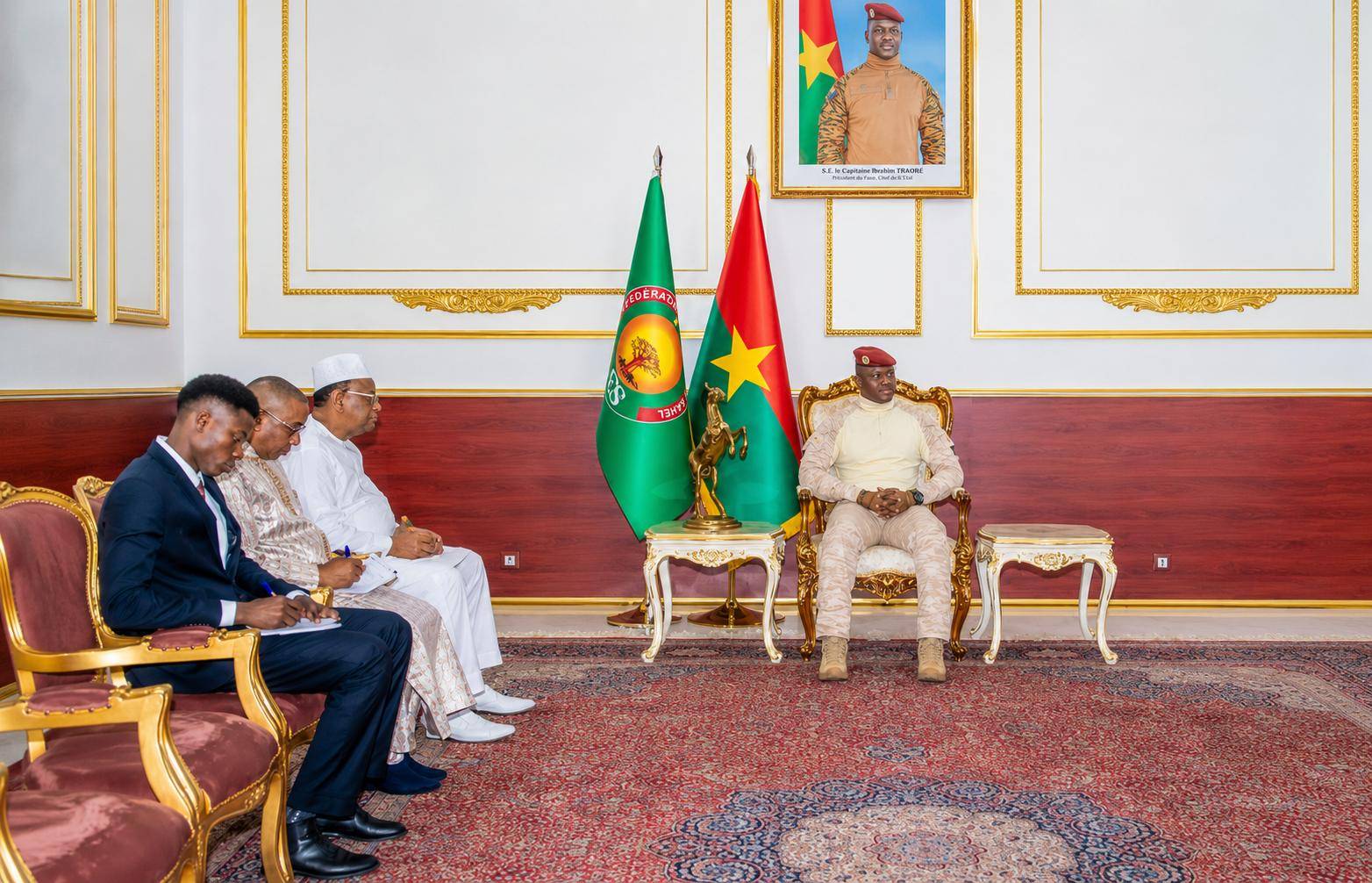
Lansana Kouyaté’s recent mission to Ouagadougou, as the ECOWAS mediator for the Alliance of Sahel States (AES), has thrust regional diplomacy back into the spotlight. Standing before Captain Ibrahim Traoré, the envoy underscored the necessity of cooperation, stressing an unassailable truth: geography and shared humanity cannot be undone by political decrees alone. While the regional body’s approach reflects a commendable grasp of reality, it collides with deep-seated scepticism—fuelled by a long history of regimes that routinely abandon pledged commitments.
Why dialogue remains a pragmatic choice amid economic turmoil
The ECOWAS gesture is not without merit. By prioritising dialogue over confrontation, the West African bloc demonstrates a much-needed political maturity. The stakes could not be higher:
- The humanitarian shield: More than 70% of trade for landlocked Sahel nations—Burkina Faso, Mali, and Niger—flows through coastal ECOWAS ports. Severing these ties abruptly would suffocate populations already struggling under terrorism and poverty. ECOWAS rightly refuses to inflict collective punishment for decisions made by their governments.
- The terror threat ignores borders: Jihadist groups operate beyond the scope of any treaty, whether from the AES or ECOWAS. Attempting to counter insecurity without broad, cross-border coordination is a strategic misstep. The bloc’s efforts aim to salvage what remains of regional security cooperation.
Yet even the most sensible diplomacy has a blind spot: the asymmetry of good faith among negotiators.
The credibility gap: a history of unkept vows
ECOWAS’s well-intentioned approach stumbles against a harsh reality—one etched into the region’s recent and distant past. The military-led governments within the AES share a consistent pattern: breaking promises made to both the international community and their own people.
Examine the timeline: from Mali to Burkina Faso, transitional timelines initially set for 18 to 24 months have been unilaterally scrapped. Elections, once promised as the path back to constitutional order, have been postponed indefinitely under the guise of security imperatives.
International commitments: a shifting foundation
ECOWAS has already weathered agreements signed in Bamako or Ouagadougou, only to see them discarded months later in the name of “reclaimed sovereignty.” Regional integration treaties, decades in the making, have been torn up to appease populist rhetoric. Negotiating “exemplary cooperation” with partners who treat international law as optional is like building on shifting sand.
A broken social contract at home
The most alarming breach lies within. The AES juntas rode to power on pledges to restore safety and rebuild the state. Today, they are defined by:
- Suspension of political parties and suffocation of civil society.
- Crackdowns on independent media and persecution of dissent under the banner of “patriotic duty.”
- Failure to curb escalating violence, despite realigning geopolitical alliances.
In essence, the fundamental duty of any state—to protect its citizens while upholding their freedoms—is being systematically violated.
Engaging without illusions
ECOWAS is justified in pursuing dialogue to avert a disorderly rupture. Preserving technical and economic ties is a survival imperative for the subregion.
Yet absolute vigilance is essential. The bloc cannot afford to legitimise fait accompli or grant international credibility to regimes that exploit negotiation periods solely to entrench personal power. Dialogue, yes—but only if ECOWAS demands tangible, binding guarantees. Without such safeguards, this latest mediation risks perpetuating a well-worn cycle: the cycle of hollow promises followed by inevitable betrayal.
