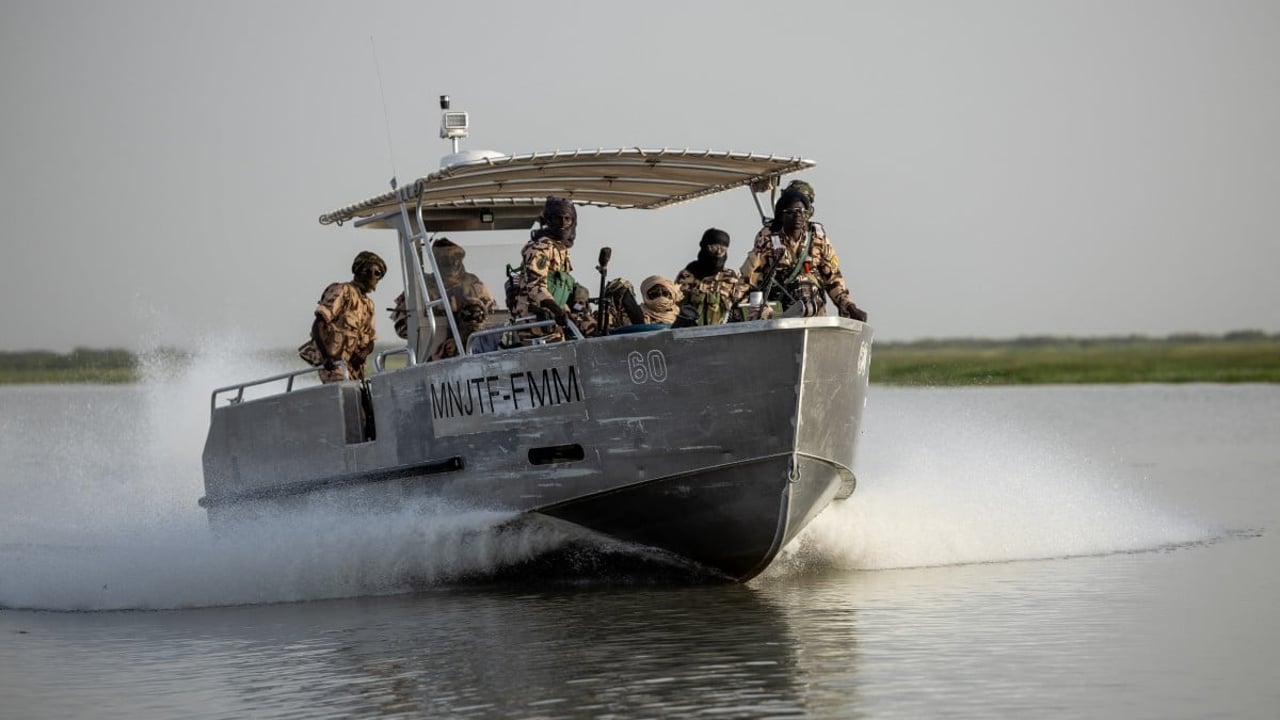
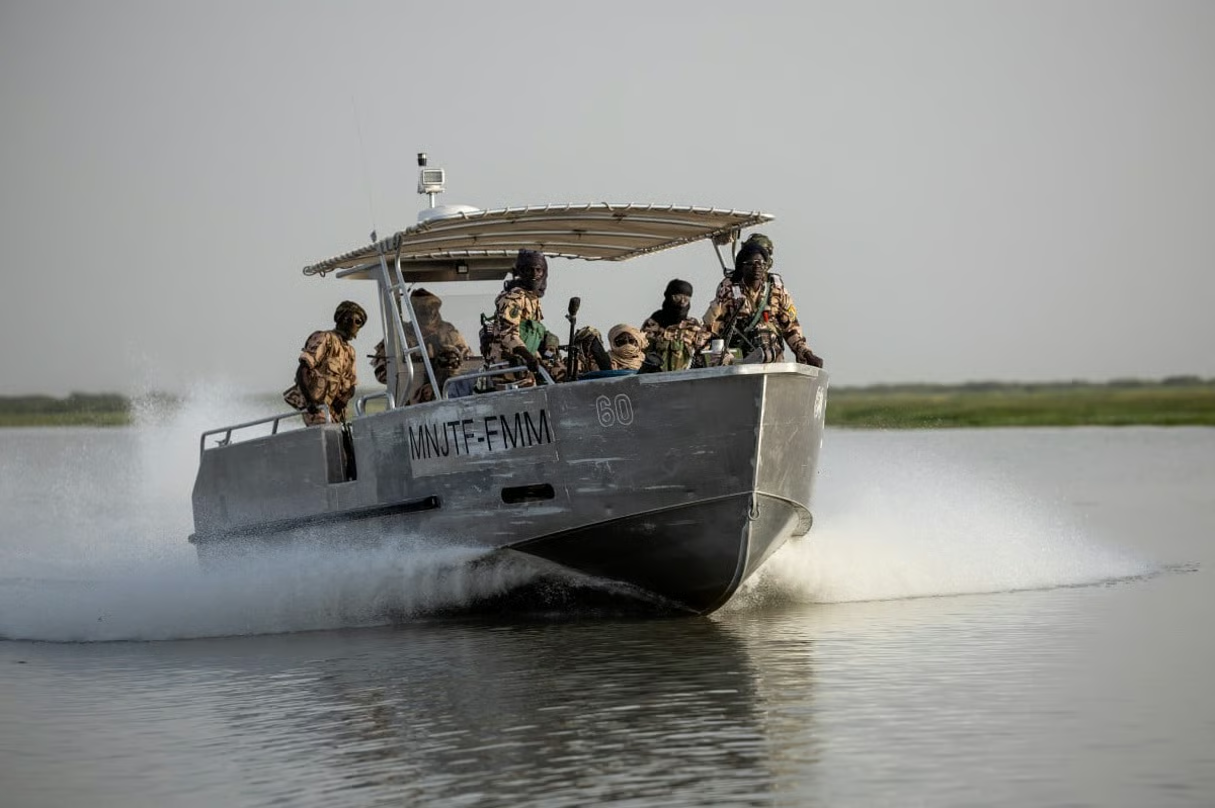
Chadian Minister of Communication and government spokesperson, Gassim Chérif Mahamat, emphatically rejected recent accusations during a press briefing on Thursday. He stated that such claims, which he believes aim to tarnish the Chadian army’s reputation, could undermine its integrity. Mahamat underscored the Chadian armed forces’ unwavering professionalism and their leading role in counter-terrorism efforts across the Sahel and the crucial Lake Chad basin.
Earlier in the week, Volker Türk, the UN High Commissioner for Human Rights, called for “independent investigations” into alleged bombardments by Nigerian and Chadian forces. These incidents, reportedly occurring in northeastern Nigeria, are said to have resulted in dozens of fatalities. Türk, in an official statement, stressed the imperative for Nigerian and Chadian authorities to conduct swift, thorough, impartial, and independent inquiries into these distressing events.
Meanwhile, the Nigerian army issued its own statement, asserting that its operations targeted a “confirmed terrorist structure.” This facility, they claimed, was exclusively occupied by non-state armed actors who posed an immediate threat to civilian lives.
N’Djamena pledges transparency amidst scrutiny
Gassim Chérif Mahamat, the Chadian government spokesperson, reiterated the nation’s readiness to initiate investigations. He concurrently accused Boko Haram of disrupting coexistence among communities and perpetrating daily terror in already vulnerable areas. Mahamat emphasized Chad’s commitment to openness, stating, “Operating with a principle of transparency, the Chadian state is prepared to conduct investigations. We possess an independent judiciary and institutions fully capable of carrying out inquiries with complete transparency.”
Volker Türk had previously urged both nations’ armed forces to “exercise every possible precaution to avoid striking civilians.” He underscored that all military operations must strictly adhere to international humanitarian law and human rights principles. Türk firmly insisted, “Civilians and their possessions must never be targets of attacks.”
Since 2009, this expansive aquatic and marshy territory, bordering Nigeria, Cameroon, Niger, and Chad, has evolved into a formidable jihadist stronghold. It provides refuge for combatants from both Boko Haram and the Islamic State West Africa Province (ISWAP).
Comments are closed, but trackbacks and pingbacks are open.