CNSA’s move in DRC: easing tensions ahead of inclusive talks
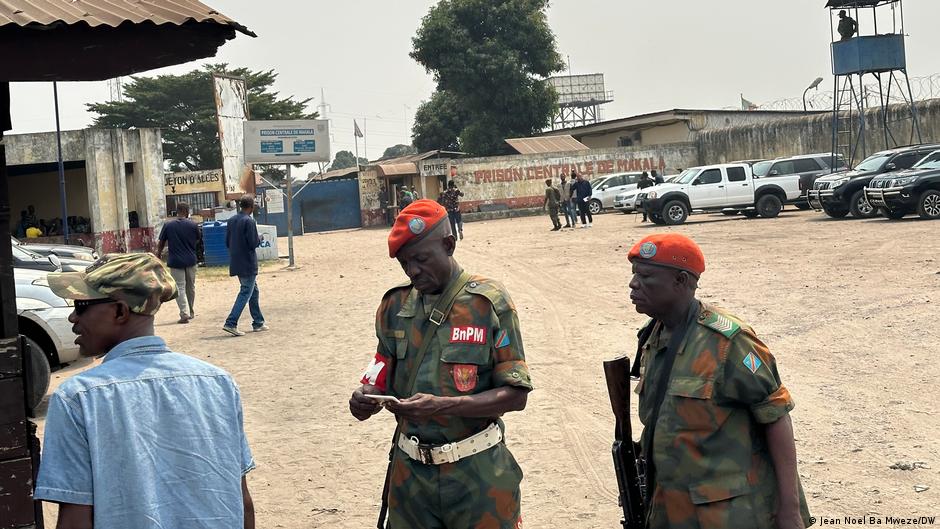
The National Council for Monitoring the Accord (CNSA) has launched a nationwide review of cases involving political and opinion prisoners in the Democratic Republic of the Congo. This initiative, now in its second week, aims to compile a comprehensive list of detainees whose rights may have been violated, a move seen as a crucial step toward creating a more conducive environment for upcoming inclusive national dialogue.
According to CNSA leadership, the exercise is guided by a fundamental principle: “Justice must be blind.” Every detainee, regardless of background or affiliation, is entitled to a fair assessment of their case. The council emphasizes that the review process is not selective but rather seeks to ensure that no individual is deprived of their rights without due process.
Building trust through legal compliance
The CNSA has established clear criteria for identifying individuals whose detention may warrant review. This includes examining cases where detainees have been held without formal charges for extended periods or denied access to legal representation. Among the high-profile names under scrutiny are Aubin Minaku and Emmanuel Ramazani Shadary, both senior figures in the PPRD party associated with former President Joseph Kabila.
Joseph Olenghankoy, CNSA President, underscored the urgency of compliance with legal timelines: “Within 48 hours of arrest, a detainee must appear before a judge. Reports indicate some have spent over six months in detention without trial. This is a clear violation of the law.” He stressed that the CNSA’s role is to highlight these concerns to President Félix Tshisekedi, urging swift action to rectify such breaches and pave the way for constructive dialogue.
PPRD welcomes the initiative
The move has been warmly received by the PPRD leadership. Lucain Kasongo, a senior cadre within the party, expressed gratitude: “If this CNSA initiative leads to the release of our detained comrades—Aubin Minaku, Emmanuel Ramazani Shadary, Dunia Kilanga, Parole Kamizelo, and others—we wholeheartedly support it. Any effort aimed at securing their freedom deserves our full backing.”
Human rights organizations have also contributed to the effort. Justicia ASBL recently submitted a list of over 100 individuals it considers political or opinion prisoners to the Minister of Justice, further highlighting the scale of the issue.
Death sentences and the path to reconciliation
The review extends to more complex cases, including those involving death sentences. Former President Joseph Kabila and Corneille Nangaa, coordinator of the AFC/M23 rebellion, are among those facing such sentences. Timothée Mbuya, Coordinator of Justicia ASBL, argued that annulling these sentences is essential to fostering political trust: “A political gesture is needed to overturn these convictions. This would significantly enhance the climate of trust required for an inclusive dialogue to succeed.”
As calls for dialogue grow louder across the DRC, the CNSA’s initiative represents a critical step toward easing tensions. Whether these efforts translate into tangible measures of reconciliation remains to be seen. What is clear, however, is that the path to lasting peace in the DRC may well begin with justice and fairness for all.
Comments are closed, but trackbacks and pingbacks are open.