Amid rising insecurity and terrorist threats plaguing multiple localities in Niger, stakeholders are rallying behind innovative peacebuilding initiatives to forge sustainable solutions. At the heart of this collective effort lies inclusive dialogue—a powerful tool for strengthening social cohesion and countering violent extremism. Recognized as a national priority, this approach transcends government action alone, requiring active participation from all sectors of society at every level.
Voices from communities facing daily challenges
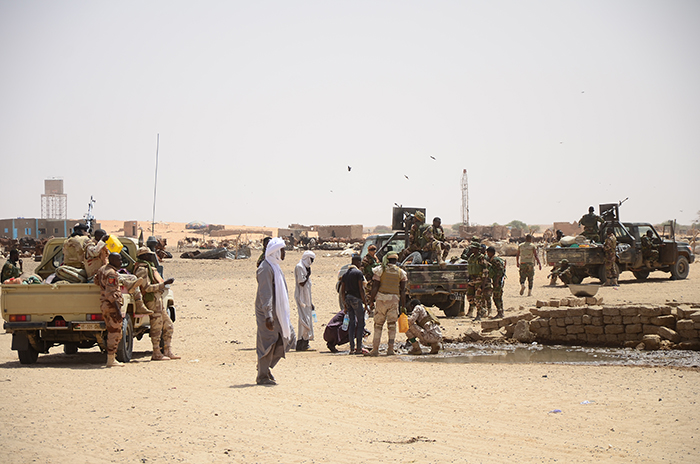
Security concerns remain acute in several Nigerien regions, despite concerted state efforts. In areas like Tera, Makolondi, and Torodi, residents acknowledge the sacrifices of defense and security forces in maintaining stability. Their presence enables communities to function—without it, daily life grinds to a halt. Markets close, fields lie fallow, and movement becomes perilous.
Seydou Hamidou, a youth leader from the rural commune of Makalondi in Torodi, describes how young people in his community face impossible choices. ‘Without security, our youth are forced into exile or recruited by armed groups. We can’t work our land or attend school. Bandits steal our livestock, extort illegal taxes, and prevent us from earning a living.’ Many young men who attempt to join Niger’s armed forces face threats against their families. ‘Joining the military means putting everything at risk,’ Hamidou explains.
Victor Harouna, a resident of Téra who attended the peace forum in Niamey, highlights the economic toll of insecurity. ‘Transport costs have tripled. What once cost 3,000 CFA francs now costs 10,000 to 15,000. Harvests are sabotaged, and displacement has devastated families—though military interventions have allowed some to return home.’
Women bear a disproportionate burden. Amina, from Torodi’s department, recalls how insecurity has upended their lives. ‘Women are most affected. Children can’t attend school. Husbands are lost. Many flee to towns like Torodi but struggle to survive.’ She urges authorities to expand military presence to protect communities.
State-led security measures gain momentum
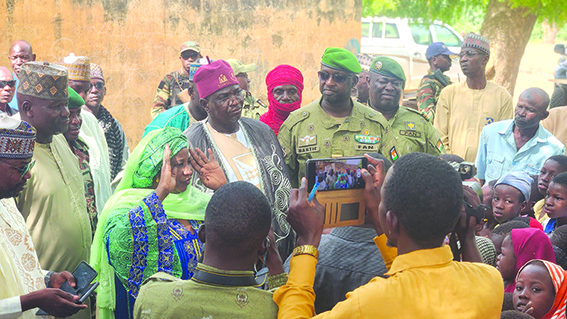
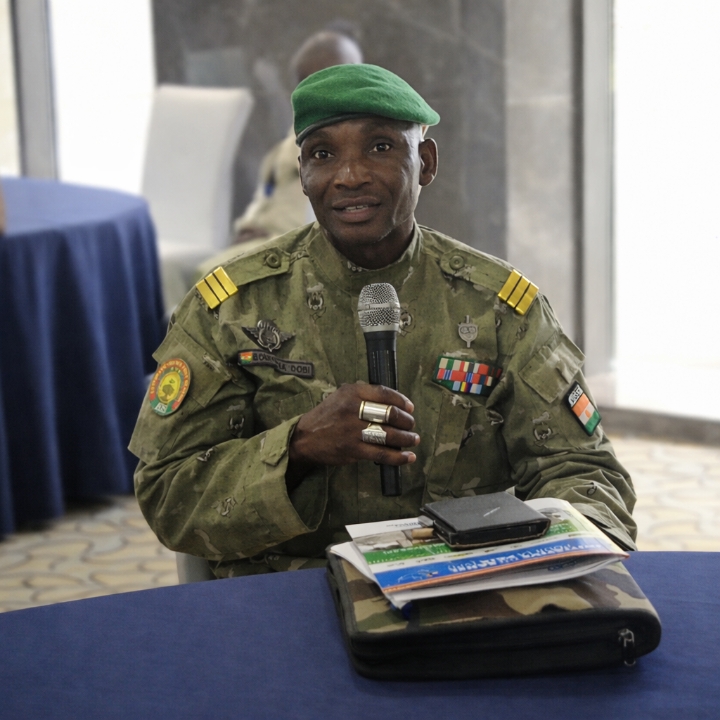
The Torodi department prefect, Captain Boureima Dobi, outlined state initiatives to support displaced populations. ‘Through security forces’ efforts, over 800 displaced people have returned to Makalondi commune. A second wave of returns is underway.’ He emphasized the government’s commitment to providing food and essential services, noting, ‘We’re not standing idle—we’re working tirelessly for our citizens.’
Captain Dobi also stressed the importance of collective vigilance. ‘Most attacks rely on local complicity, making it harder to identify perpetrators.’ He praised recent surrenders of four armed individuals and called for intensified community sensitization. ‘Patriotism must be nurtured in every citizen. Families must take responsibility for peace.’
The High Authority for Peace Consolidation (HACP), reporting to the President’s office, spearheads national peacebuilding efforts. Boubacar Hamidou, HACP’s Director of Recovery and Stabilization, explains their approach: ‘We focus on empowering local leaders, youth, and women through conflict prevention and management training. Our goal is to rebuild trust between citizens and institutions while supporting development projects in collaboration with local councils.’
The Sahel Peace Initiative: a regional commitment to stability
The Sahel Peace Initiative (SPI), launched in 2019 under the West African Episcopal Conferences and partners like the CJP Burkina, brings together Christian and Muslim communities across the Sahel. In Niger, the network focuses on promoting dialogue, interfaith cohesion, and community resilience in vulnerable areas. Archbishop Laurent Lompo of Niamey, SPI’s working group president, urged sustained dialogue: ‘We must foster peace through intergenerational forums that unite men, women, and youth to address security challenges.’
The Initiative’s priorities include strengthening peace actors’ capacities, youth employment, peace education, citizen leadership, social inclusion, digital innovation, psychosocial support, and national peace mobilization. The Niamey national forum held in June 2026 yielded actionable recommendations to bolster coexistence and stability.
Religious leaders at the forefront of peace efforts
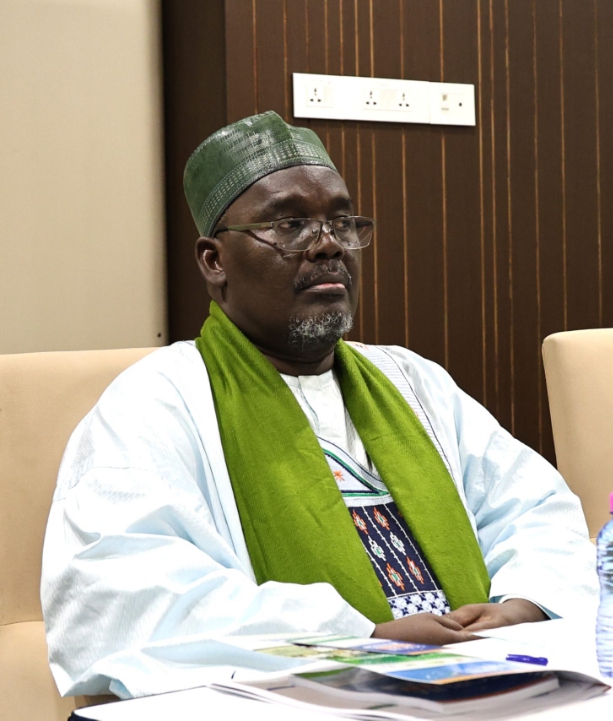
Religion plays a pivotal role in Niger’s security discourse. As extremist groups often justify violence in religious terms, faith leaders have become crucial peacebuilding actors. The National Committee for Intra- and Interreligious Dialogue (CDIR) emerged in response to Boko Haram’s threats in the Diffa region and now operates nationwide.
CDIR coordinator Cheikh Barham Aboubacar explains their mission: ‘We combat communal tensions fueled by hate speech and religious incitement. Our dialogue efforts clarify misunderstandings, promote mutual understanding, and prevent religiously motivated discrimination.’ The committee’s grassroots approach includes local peace committees, proximity cells, and municipal peace initiatives that have resolved numerous intercommunal and land disputes.
‘Dialogue is essential to prevent religiously motivated conflicts,’ Aboubacar states. ‘We must address grievances directly, encourage understanding, and calm religious sensitivities before they escalate.’ CDIR leaders actively engage with Niger’s ruling authorities to preserve national unity amid political challenges.
Community media: vital tools for peace and security
In times of insecurity, community media serve as lifelines—disseminating accurate information, countering disinformation, and uniting populations. Studio Kalangou editor Alhassane Mahamane highlights their role: ‘Community radios educate and sensitize locals while giving voice to their concerns. They’re nonprofit platforms that drive development and reflect community priorities.’ These outlets combat rumors and hate speech, fostering trust in critical times.
Women driving social cohesion forward
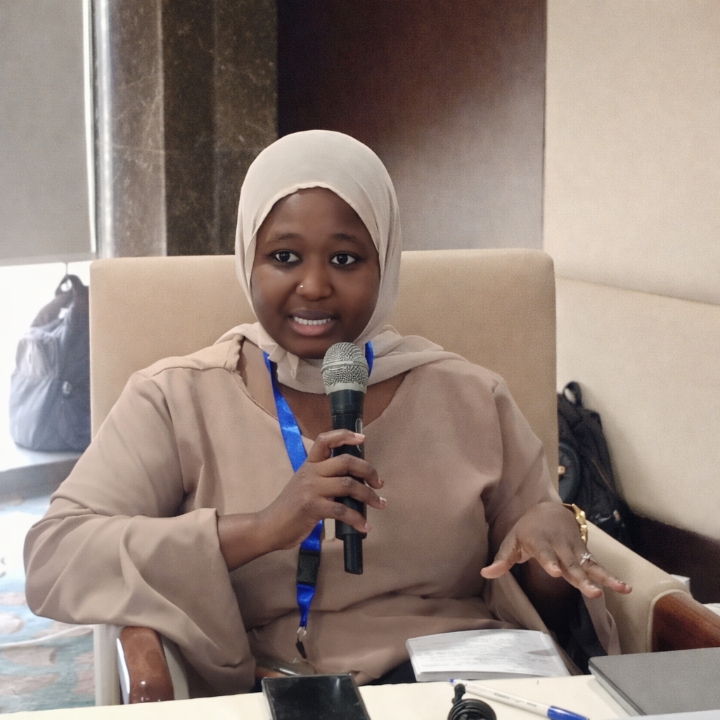
Women’s contributions to peacebuilding are multifaceted. Amina Boukary, coordinator of the NGO Women, Actions, and Development (FAD), notes growing female networks focused on income generation, education, and social cohesion. ‘Women represent half the population—we must address their needs and strengthen their leadership in local peace mechanisms.’ She advocates for continuous sensitization, girls’ education, and women’s inclusion in decision-making bodies.
‘Peace endures when all citizens engage collectively,’ Boukary asserts. ‘Women’s involvement is non-negotiable for sustainable stability and resilient communities.’