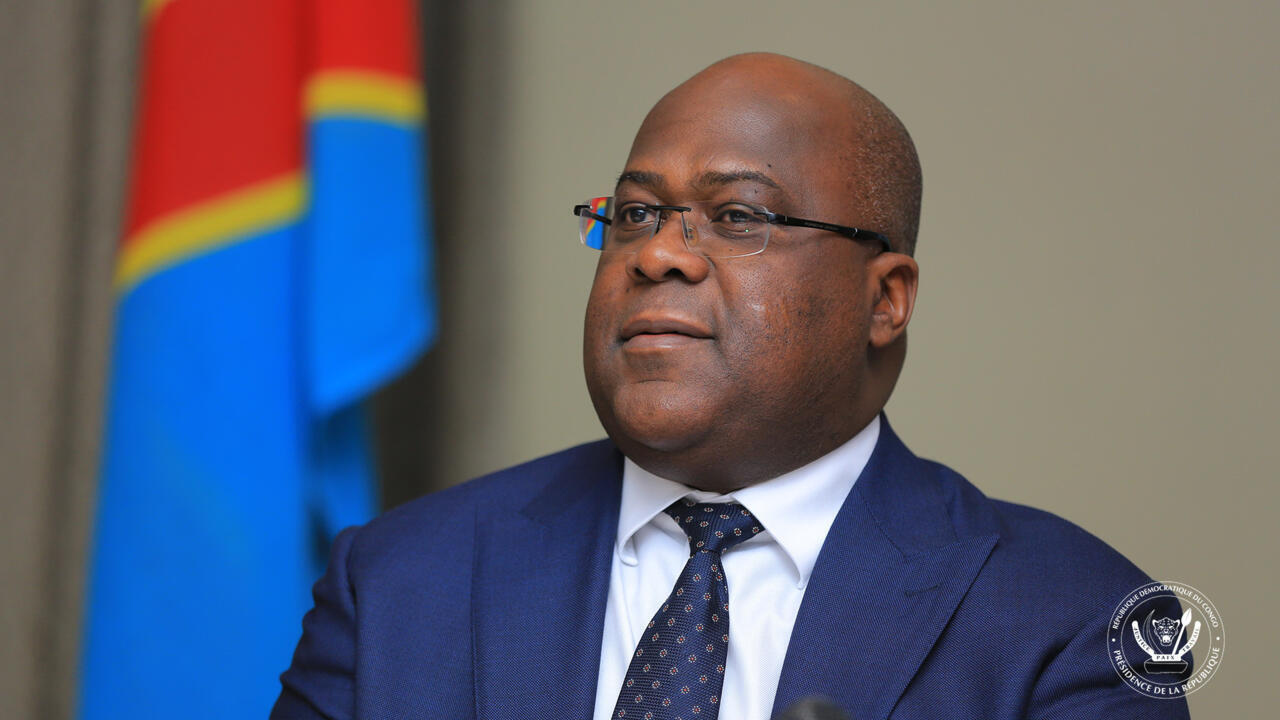
In the Democratic Republic of Congo, opposition forces have called off their planned march for July 22 but remain steadfast in their opposition to President Félix Tshisekedi’s potential third term. The coalition insists the long-awaited national dialogue must commence before August 15, issuing an ultimatum that underscores mounting political tensions.
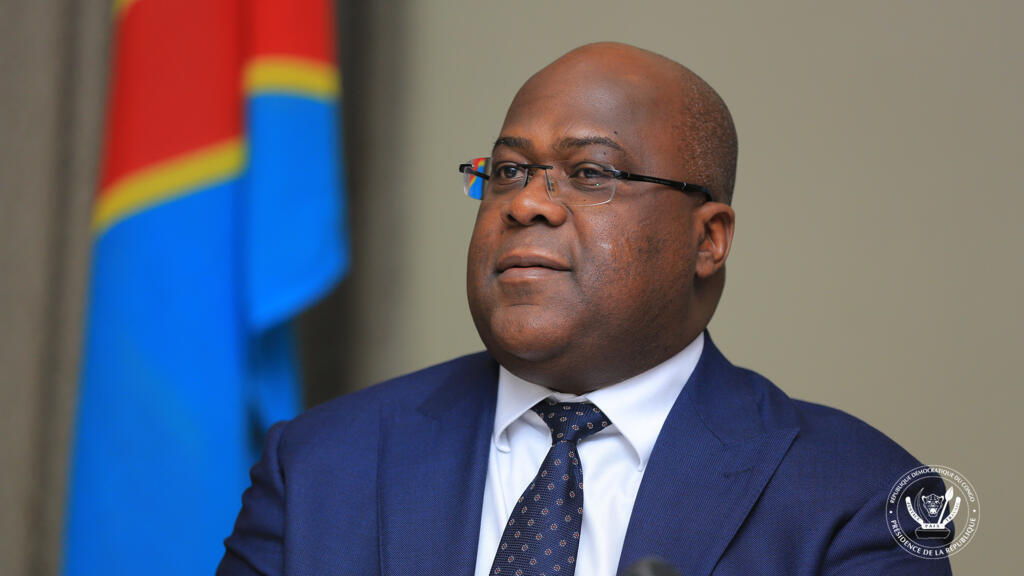
What exactly does the opposition expect from this national dialogue? The coalition has framed the upcoming talks as a pivotal moment for Congo’s democratic future. They argue that Félix Tshisekedi’s potential bid for a third term violates constitutional norms and threatens the country’s stability. The opposition’s decision to delay their protest reflects a strategic shift, signaling their resolve to leverage the dialogue platform to press their demands rather than resort to street action.
Opposition’s demands: constitutional compliance and inclusion
The opposition’s key demands center on constitutional adherence and inclusive governance. They insist that any discussion on Félix Tshisekedi’s eligibility for a third term must be addressed within the framework of the constitution. Additionally, the coalition is calling for broader representation in the dialogue, ensuring that civil society, religious groups, and other stakeholders have a meaningful voice.
The ultimatum set for August 15 adds urgency to the situation. By postponing their march, the opposition appears to be giving the government a window to act—either by initiating the dialogue or clarifying its stance on the constitutional issue. Failure to meet the deadline could reignite protests and escalate tensions across the country.
What role can the national dialogue play?
A national dialogue in Congo could serve as a critical forum to address deep-seated political and social challenges. Historically, such dialogues have been used to foster reconciliation and set the stage for reforms. In this context, the dialogue could provide an opportunity to:
- Clarify constitutional ambiguities: Address whether President Félix Tshisekedi’s potential third term complies with the constitution and reassure citizens about the rule of law.
- Promote inclusive governance: Ensure that diverse voices, including opposition leaders, civil society, and religious organizations, are represented and heard.
- Restore public trust: Demonstrate the government’s commitment to transparency and accountability, particularly in light of recent political controversies.
However, the success of the dialogue hinges on the government’s willingness to engage in good faith. If the dialogue is perceived as a tool to legitimize contested decisions rather than resolve them, it risks deepening divisions and fueling further instability.
Public expectations and the road ahead
Congo’s citizens are watching closely. Many hope the national dialogue will deliver tangible outcomes, such as constitutional clarity, improved governance, and an end to political impunity. Others remain skeptical, given the country’s history of unfulfilled promises and political maneuvering.
As the August 15 deadline approaches, the stakes could not be higher. The opposition’s ultimatum underscores the fragile balance between political ambition and democratic principles. Whether the national dialogue can bridge divides or further polarize the nation remains an open question—one that will shape Congo’s future in the coming months.