
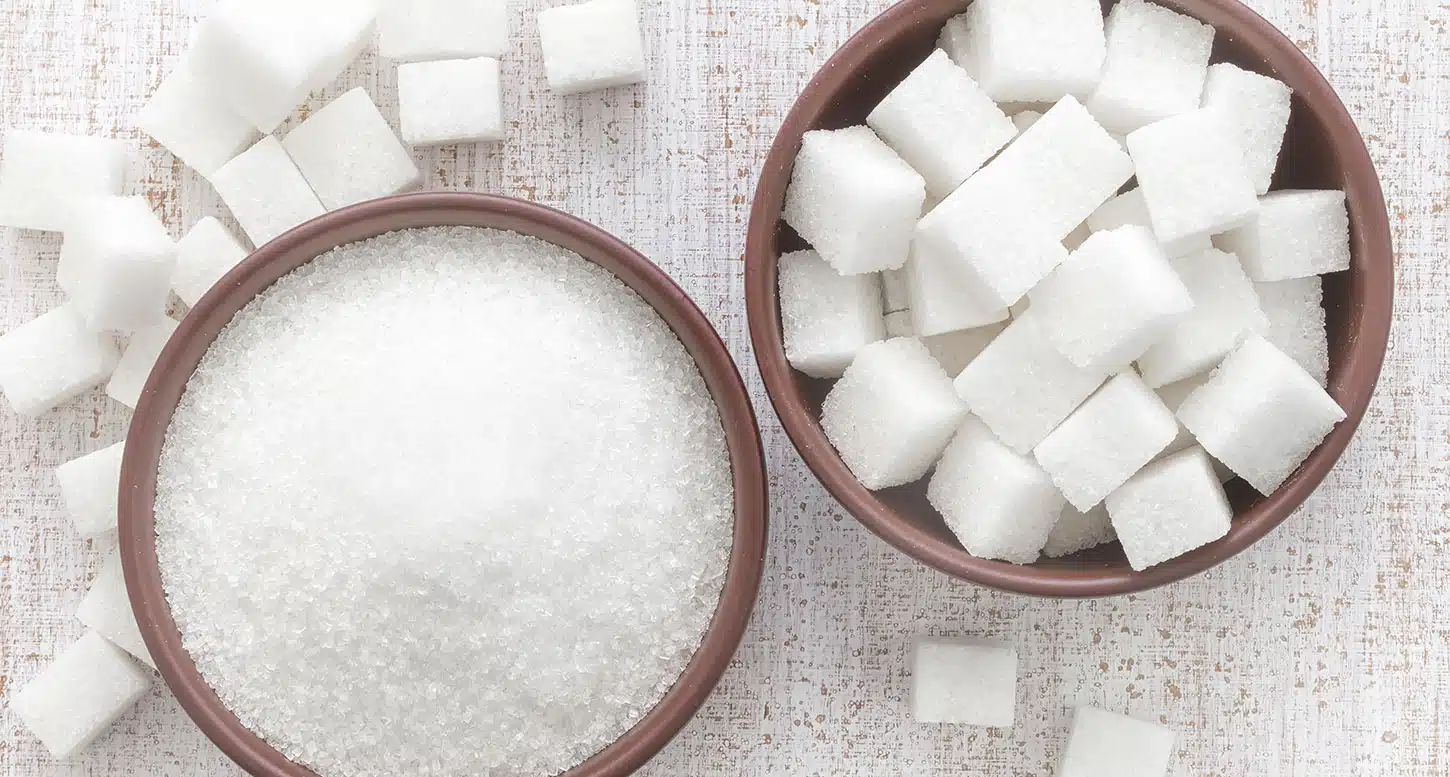
Somdia’s exit from Sosucam: what officials aren’t revealing to Cameroon’s president
After Somdia’s shock decision to withdraw from Cameroon’s sugar giant Sosucam, despite Pierre Castel’s earlier assurances to the nation’s leader, troubling truths lie beneath the surface.
After Somdia’s abrupt withdrawal from Sosucam, despite Pierre Castel’s prior commitments to the Cameroon president, a hidden agenda emerges. While some media outlets portray this exit as a family dispute, the reality points elsewhere.
According to insider accounts, Somdia has already inked a deal with Ivory Coast to invest 100 billion FCFA in its sugar sector. The true reason behind the move? Cameroon’s elite have systematically allocated sugar import licenses to their associates, flooding the market with cheaper imports that undercut Sosucam’s sales.
Despite injecting 4.5 billion FCFA last year to boost production, hoping for reduced import quotas, the situation worsened—over 125 billion FCFA worth of sugar was imported. Even more alarming, these importers—allegedly acting as fronts for regime elites—enjoyed customs privileges, importing sugar under local market labels only to resell it across the subregion.
Stockpiles of Cameroonian sugar, blocked at the Ngaoundéré rail terminal after Chad reinstated tariffs on cross-border sugar trade, have since been diverted back into the domestic market, exacerbating the crisis.
Why Ivory Coast over Cameroon?
In Ivory Coast, the government doesn’t hand out import licenses to proxies. Instead, it assesses production shortfalls and allocates quotas strictly to producers during shortages, ensuring market stability.
Be the first to comment


Comments