Côte d’Ivoire is embarking on a transformative journey in its environmental policy by developing a pioneering national strategy for carbon taxation. Spearheaded by the Ministry of Economy, Finance, and Budget, this major initiative is designed to halt the rise of greenhouse gas emissions and accelerate the transition toward a more sustainable, eco-friendly economy.
A proactive response to environmental and economic shifts
Strategic analysis reveals that the robust economic growth experienced in Côte d’Ivoire since the post-Covid recovery has unfortunately led to a significant increase in carbon output. The carbon intensity of the Ivorian economy rose from 0.15 to 0.18 tonnes per thousand dollars between 1990 and 2024. This trend is largely attributed to a heavy reliance on fossil fuels, the expansion of the transport sector, rapid industrialization, and agricultural methods that produce high emission levels.
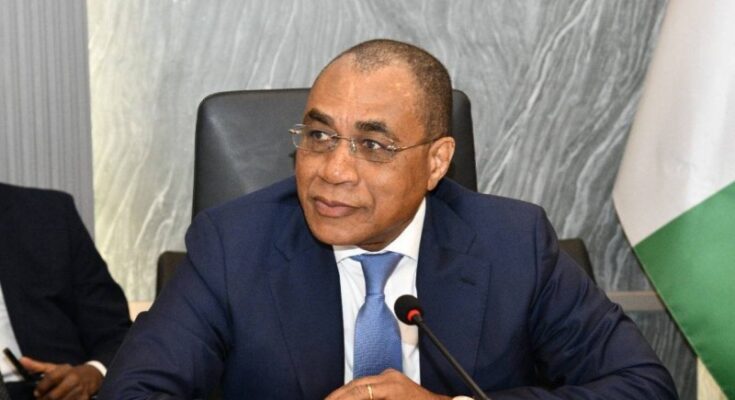
Leadership figures, including Minister Adama Coulibaly, emphasize the direct threat that climate change poses to the national economy. Rising temperatures, erratic rainfall patterns, and increased environmental hazards are already putting pressure on various sectors, most notably agriculture, which remains a cornerstone of employment and the gross domestic product in Côte d’Ivoire.
Aligning with international climate commitments
This fiscal reform demonstrates Côte d’Ivoire’s dedication to fulfilling its international climate pledges. As part of its Nationally Determined Contribution (NDC 3.0), the nation has set a goal to reduce greenhouse gas emissions by 33.07% through its own efforts, potentially reaching a 74% reduction by 2035 with international cooperation.
Furthermore, this strategy aligns with reforms coordinated with the International Monetary Fund (IMF), specifically under the Resilience and Sustainability Facility (RSF). Establishing a carbon tax framework tailored to the specific economic and social landscape of Côte d’Ivoire is a primary component of these measures.
Moving beyond existing fiscal tools
While Côte d’Ivoire already employs several environmental tax instruments—such as levies on petroleum products, energy, and specific duties on the forestry and mining sectors—their impact has been limited. Currently, these tools primarily serve to generate public revenue rather than actively driving a low-carbon transition.
The new strategy aims to transform the ecological tax system into a powerful incentive. By doing so, it encourages both businesses and households to move away from high-emission practices in favor of more sustainable alternatives.
A phased and socially conscious carbon levy
The proposed carbon tax will primarily target fossil fuels, though butane gas will be exempt. Projections indicate that this initiative could lead to a substantial drop in CO₂ emissions. For instance, an initial rate of $8 per tonne of CO₂ could result in a reduction of 0.2 million tonnes of emissions. If the rate increases to $50 per tonne, the potential reduction could reach 1.2 million tonnes.
Authorities acknowledge that this reform may initially cause fuel prices to rise and place slight pressure on economic growth. To mitigate these challenges, the government is planning a transparent mechanism to reallocate the funds collected through the tax.
Funding the green transition and supporting households
Revenue generated from carbon taxation will be prioritized for achieving universal electricity access across the country. A portion of these funds will also be used to subsidize solar or gas cookstoves, helping to reduce the widespread reliance on charcoal.
The roadmap also includes direct assistance for the most vulnerable households, alongside funding for green job creation and professional retraining programs in industries affected by the ecological shift. Additionally, the strategy features incentives for low-emission vehicles, such as tax exemptions and the rollout of necessary infrastructure like charging stations.
A multi-stage implementation timeline
The execution of this strategy will be rolled out gradually between 2026 and 2035:
- 2026-2027: Focus on establishing the essential legal, institutional, and technical frameworks.
- 2028-2029: Official introduction of the carbon tax at a moderate initial rate.
- 2030-2035: Gradual consolidation of the mechanism, accompanied by regular assessments and adjustments.
Through this comprehensive framework, Côte d’Ivoire seeks to balance economic prosperity with social equity and environmental protection, addressing the global climate emergency with local action.