Côte d’Ivoire’s bold push to slash informal economy to 73.5% by 2030: a turning point for growth
Côte d’Ivoire is on the cusp of a historic economic transformation. By 2030, the government aims to reduce the informal sector’s share of the economy from 82.4% in 2025 to just 73.5%, marking a decisive turning point in its national development strategy. This ambitious goal is outlined in the National Informality Reduction Program (PNRI), a cornerstone of the broader National Development Plan (PND) 2026-2030.
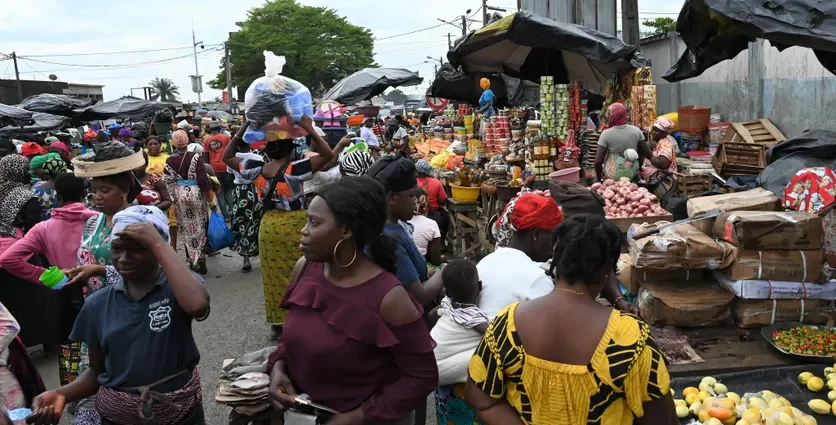
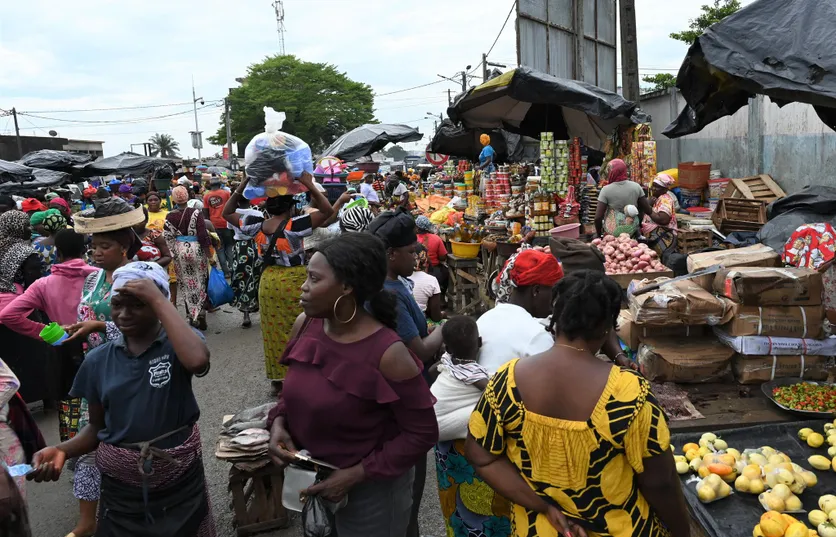
Spearheaded by the Ministry of Commerce, Industry, and Crafts, the PNRI is designed to accelerate the migration of informal workers—including traders, artisans, and independent operators—toward formal employment. Currently, the informal economy accounts for approximately 45% of the country’s GDP and sustains over 9.9 million jobs across Côte d’Ivoire. It also includes 1,408,216 informal production units scattered nationwide, highlighting the scale of the challenge ahead.
What’s driving this momentum?
The push for formalization is not just about numbers. It represents a strategic shift to strengthen social protections, expand market access, and unlock financing opportunities for millions of workers. Silvère Konan Yao, Director-General of the Directorate for Small and Medium Enterprises and Crafts, emphasizes that formalization will provide these workers with critical safeguards and pathways to economic growth.
How will Côte d’Ivoire achieve this?
- Investment in private sector growth: The PNRI prioritizes policies to stimulate private investment, fostering the rise of national champions and reducing reliance on informal structures.
- Structured transition programs: Targeted initiatives will guide informal businesses through the formalization process, ensuring compliance while minimizing disruptions.
- Social protection expansion: Formalization efforts will align with broader reforms to extend healthcare, pensions, and labor protections to previously excluded workers.
A gateway to economic maturity
By 2030, Côte d’Ivoire aims to join the ranks of Africa’s upper-middle-income economies—a milestone that hinges on reducing informality and unlocking the full potential of its workforce. The success of this initiative could redefine the country’s economic trajectory, setting a new standard for inclusive growth in West Africa.
Comments are closed, but trackbacks and pingbacks are open.